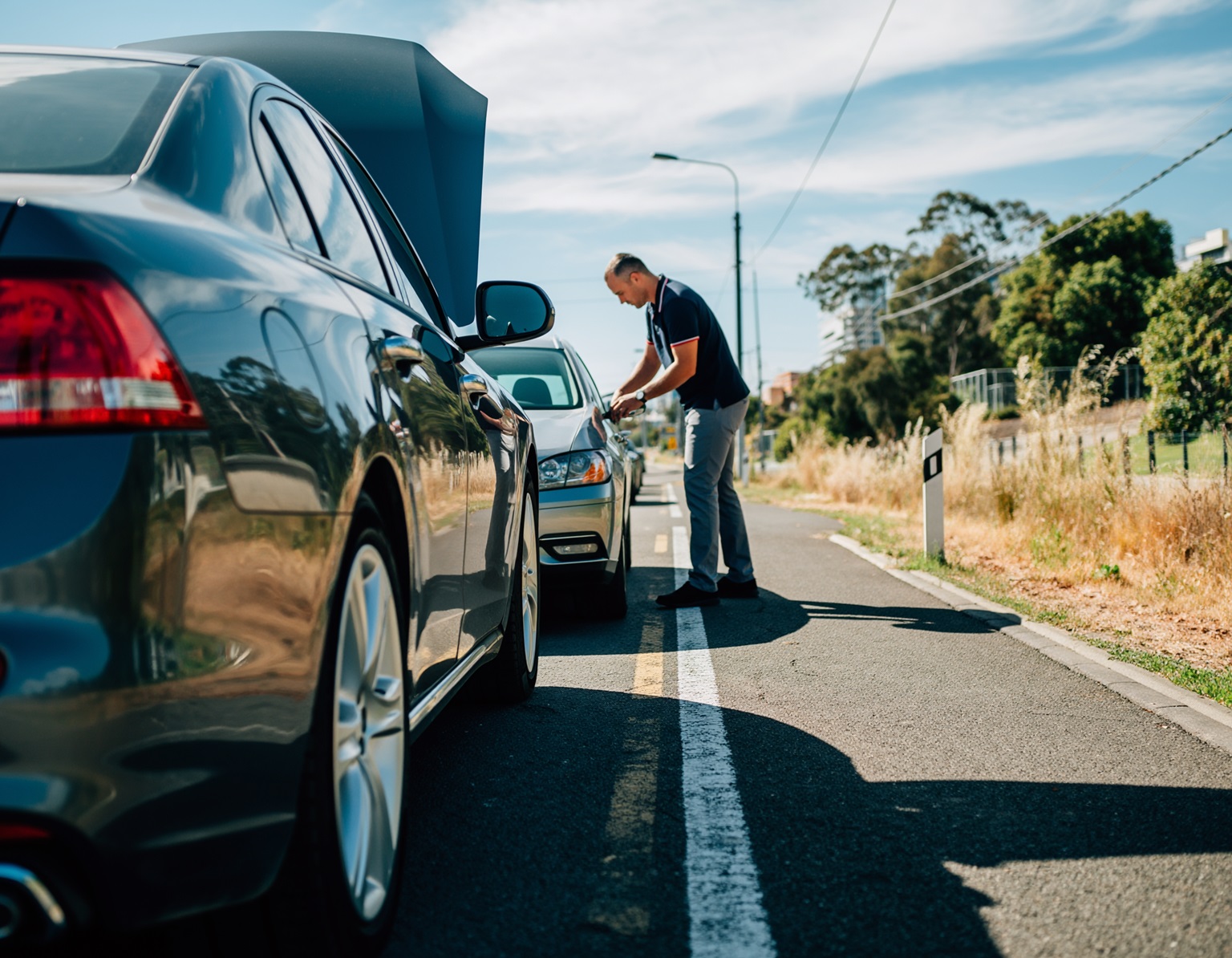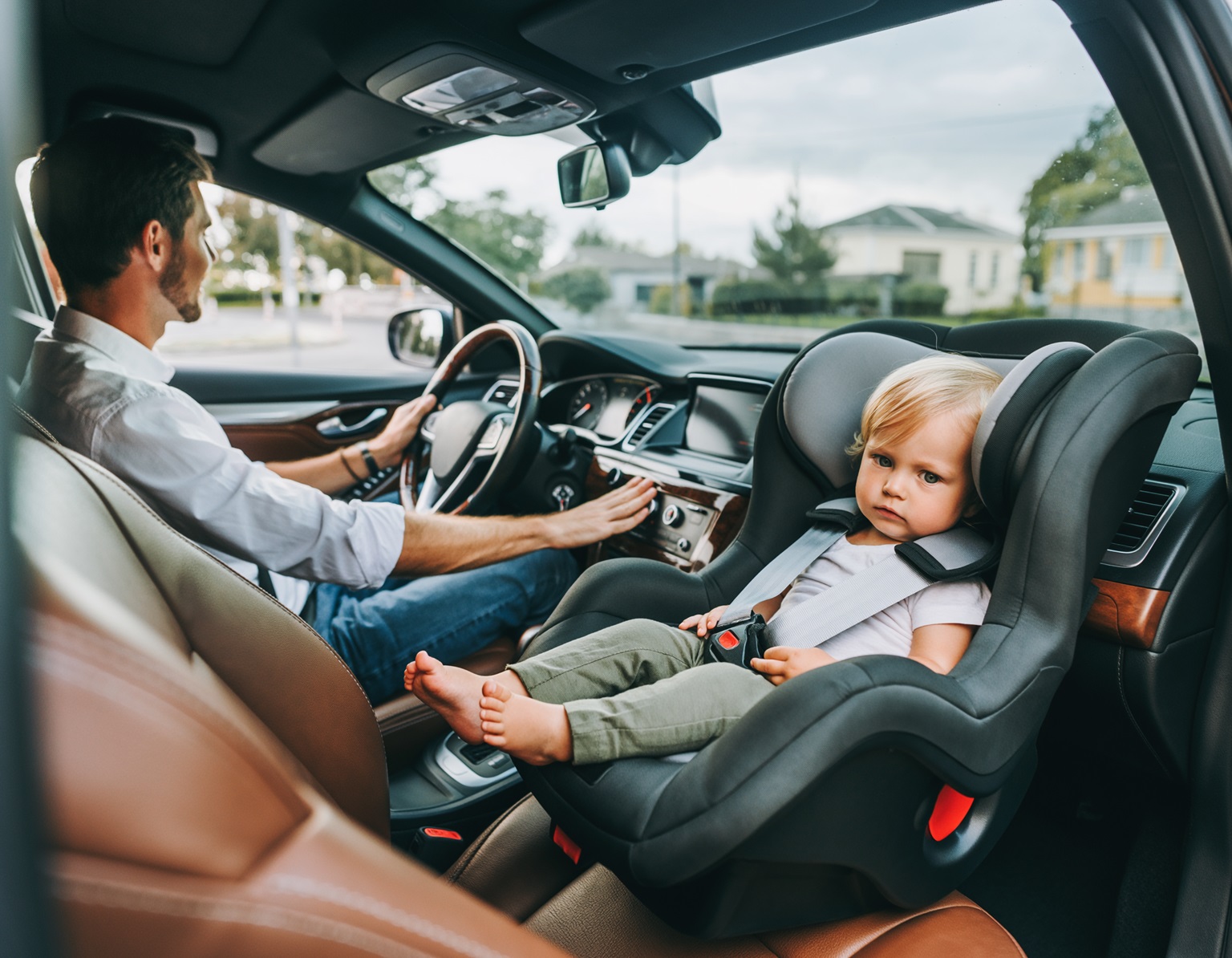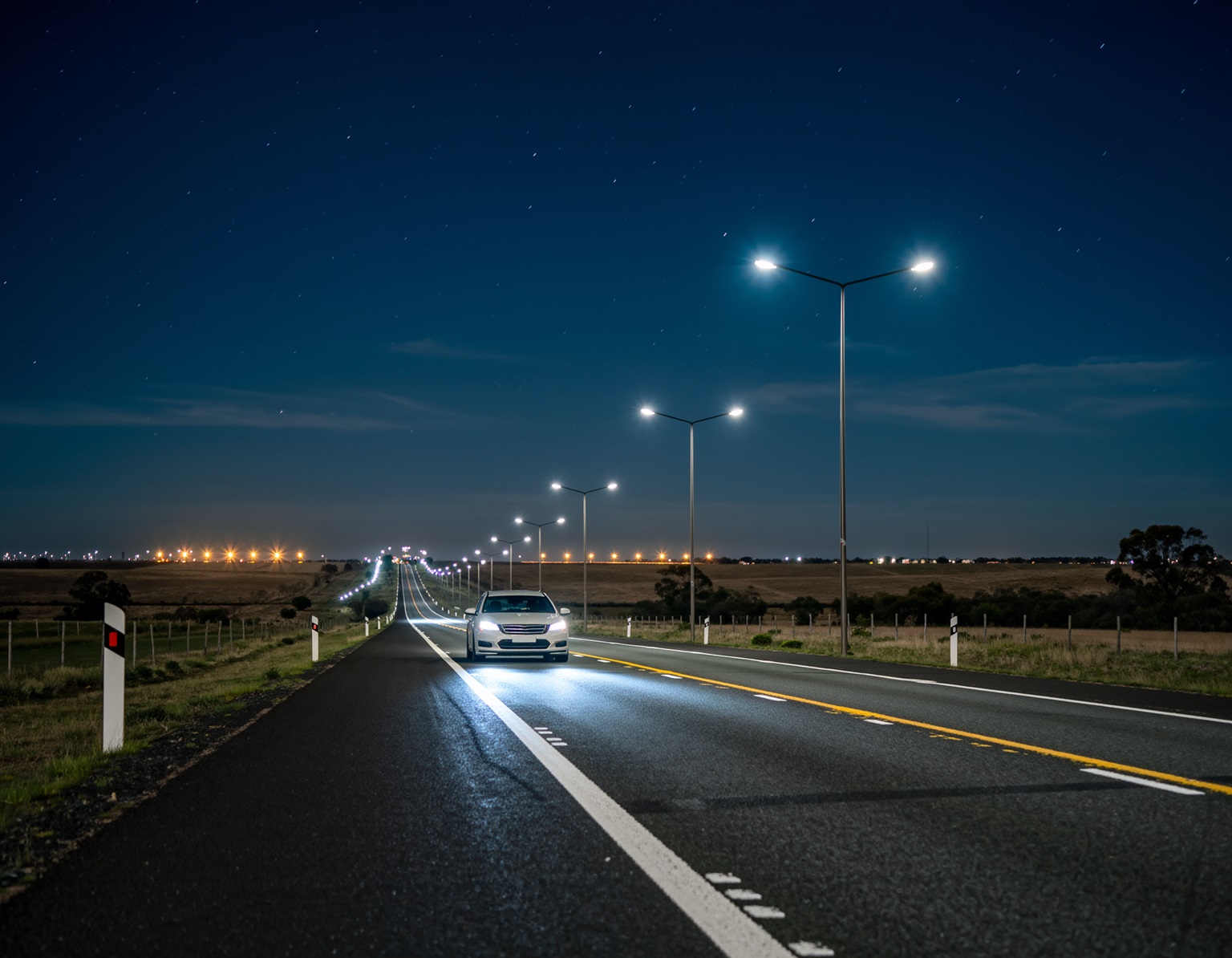
You’ve probably done it more times than you can count – left work late, headed home from a mate’s place, or started a long drive to the regions after sunset. Night driving feels routine until something goes wrong. Your vision narrows, headlights blind you, and that roof you’d spot easily during the day suddenly appears out of nowhere.
Driving at night in WA isn’t just harder because it’s dark. The risks multiply in ways most drivers don’t think about until they’re stuck on the side of Mitchell Freeway with a smashed headlight or worse. Fatigue hits faster, wildlife becomes unpredictable, and your reaction time drops without you even noticing. It’s not about being a bad driver – it’s about understanding what changes when the sun goes down and how to adapt.
Understanding night driving safety in WA requires recognising these unique challenges. Many situations could be avoided with a few simple adjustments. You’re not going to eliminate every risk, but you can stack the odds in your favour.
Why Night Driving Feels Harder Than It Should
Your eyes aren’t designed for this. Human vision relies heavily on natural light, and once that’s gone, everything becomes more difficult. Depth perception weakens, peripheral vision shrinks, and your ability to judge speed and distance drops significantly. That car you thought was far away? It’s closer than it looks.
Then there’s the glare. Oncoming headlights, especially those bright LED and HID lights, can temporarily blind you. Your pupils contract to protect your eyes, but that adjustment takes time – sometimes several seconds you don’t have. Meanwhile, you’re trying to stay in your lane and watch for hazards you can barely see.
Add fatigue to the mix, and it’s no wonder night driving accounts for a disproportionate number of accidents. According to research from the Department of Transport WA, fatal crashes are three times more likely to occur at night despite lower traffic volumes. You’re not imagining it – the road genuinely becomes more dangerous after dark.
The Wildlife Problem Nobody Talks About Enough
If you’ve driven through the Perth Hills, up to Yanchep, or anywhere regional, you already know: kangaroos own the roads at night. They’re unpredictable, fast, and they travel in groups. You might dodge one only to have two more hop out behind it.
Vehicles regularly end up in ditches near Bullsbrook and regional areas after drivers swerve to avoid kangaroos. These drivers weren’t speeding. They weren’t distracted. They didn’t have time to react when animals appeared in their headlights. That’s how fast it happens.
Cattle and emus are just as dangerous in rural areas. They’re bigger, slower to move, and often completely unbothered by your vehicle. Hitting a cow at 110km/h isn’t something you walk away from easily.
Your best defence isn’t lightning-fast reflexes – it’s slowing down in high-risk areas and staying alert. If you spot one animal, assume there are more nearby. Scan the sides of the road constantly, not just the centre line. And if a collision is unavoidable, don’t swerve violently. Brake firmly, grip the wheel, and try to stay on the road. Swerving into a tree or oncoming traffic is often worse than hitting the animal.
Fatigue Sneaks Up Faster Than You Think
You left feeling fine. Maybe you had a coffee before you hit the road. But an hour in, your eyelids feel heavy, your focus drifts, and you catch yourself zoning out. This is where night driving safety WA drivers need to prioritise becomes critical – not because you’re reckless, but because your body is fighting its natural rhythm.
Humans are wired to sleep when it’s dark. Your brain produces melatonin as light fades, signalling it’s time to rest. Fighting that process while operating a vehicle is harder than most people admit. You might think you’re alert, but your reaction time has already slowed. Studies show that being awake for 18 hours impairs your driving ability as much as a blood alcohol level of 0.05%.
What actually works when fatigue hits: pull over. Not in five minutes. Not in the next town. Now. Find a safe spot – a rest area, petrol station, or well-lit car park – and take a 20-minute nap. Set an alarm if you’re worried about oversleeping. A short rest resets your brain far more effectively than winding down the window or cranking up the radio.
Caffeine helps, but only temporarily. It takes about 20 minutes to kick in, so if you’re already struggling, it won’t save you in the moment. And energy drinks? They’ll give you a brief spike followed by a crash that leaves you worse off than before.
If you’re planning a long drive, schedule breaks every two hours. Get out, stretch, and give your eyes a rest from the constant focus. It feels like wasted time, but it’s not – it’s the difference between arriving safely and becoming another statistic.
Headlights and Visibility: What You’re Missing
Your headlights aren’t as effective as you think. Standard low beams illuminate about 50 metres ahead, which gives you roughly two seconds of reaction time at 100km/h. High beams extend that to around 100 metres, but only if you’re using them correctly.
Most drivers don’t. They leave high beams on too long, blinding oncoming traffic, or they forget to switch them on when they should. The rule is simple: use high beams on unlit roads when there’s no traffic ahead or approaching. Dip them as soon as you see another vehicle, even if they’re still far away. You’ll avoid blinding them, and you’ll maintain better visibility for yourself once your eyes adjust.
Dirty or foggy headlights are another problem. If your lenses are yellowed or covered in dust, you’re cutting your visibility by up to 50%. A quick clean with soapy water and a cloth makes a noticeable difference. If they’re permanently clouded, a headlight restoration kit costs around $30 and takes 20 minutes. It’s worth it.
Check your alignment, too. If your headlights point too low, you won’t see far enough ahead. If they’re too high, you’ll blind everyone else. Most mechanics can adjust them in minutes, and it’s often included in a standard service.
And something people forget: your dashboard lights affect your night vision. If they’re too bright, your pupils stay contracted, making it harder to see the road. Dim them until they’re just bright enough to read. Your eyes will thank you.
Rain, Fog, and Other Conditions That Multiply Risk
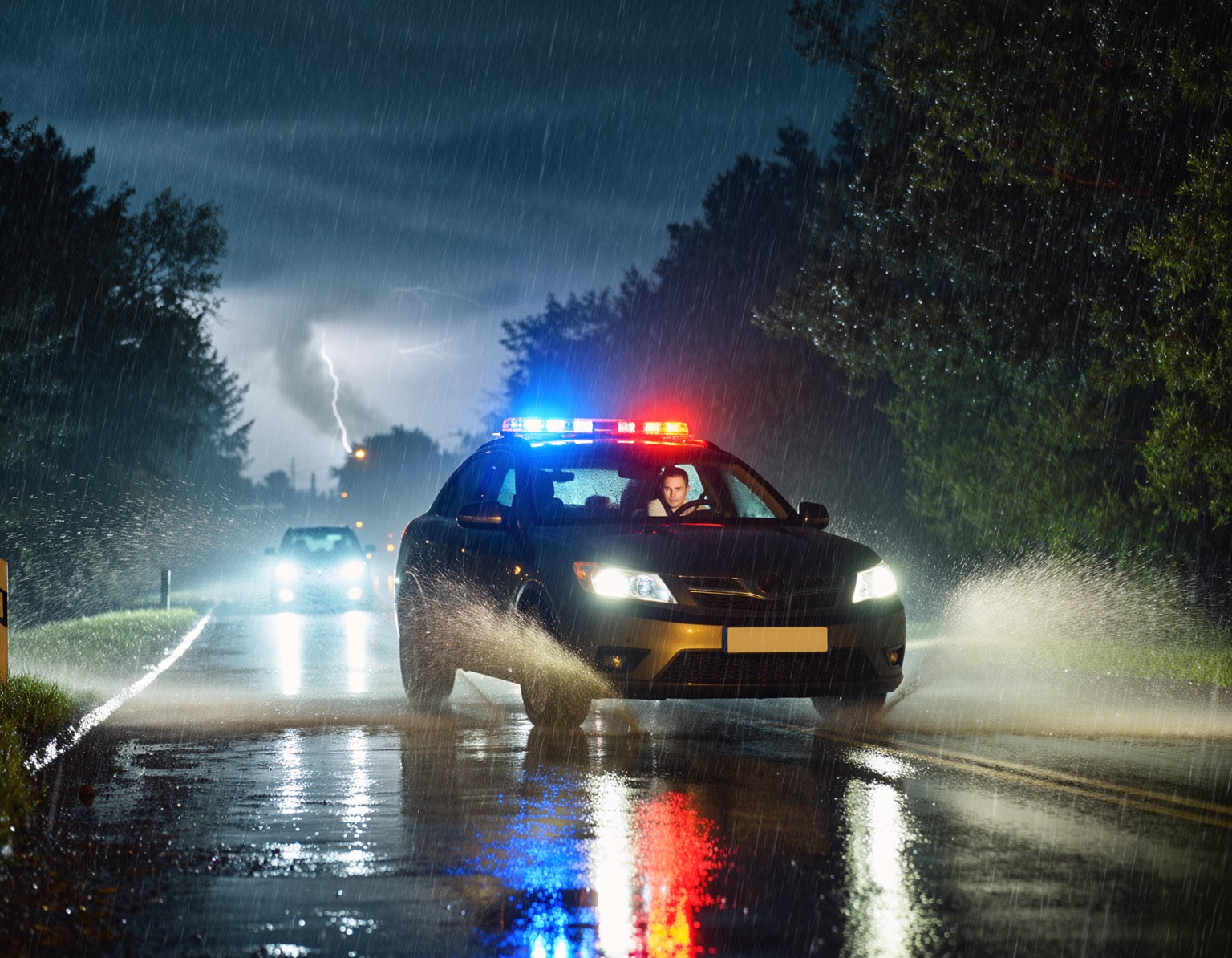
Night driving is one thing. Night driving in the rain is another level entirely. Water on the road reduces traction, and the reflection from headlights and streetlights creates a glare that makes it nearly impossible to see lane markings. Throw in fog, and you’re navigating blind.
When it rains, slow down more than you think you need to. Wet roads increase stopping distances by up to 50%, and hydroplaning can happen at speeds as low as 80km/h if your tyres are worn. If you feel your steering go light or your car start to drift, ease off the accelerator – don’t brake hard or jerk the wheel.
Fog is worse because it tricks you into thinking you can see more than you can. Your high beams reflect off the moisture in the air, creating a white wall that blinds you. Use low beams or fog lights if you have them, and reduce your speed to match your visibility. If you can’t see more than 50 metres ahead, you shouldn’t be doing 100km/h.
Main Roads WA recommends increasing your following distance to at least four seconds in wet or foggy conditions. That gives you enough space to react if the car ahead brakes suddenly or if you encounter an unexpected hazard. You can measure this by picking a fixed object on the roadside and counting the seconds between when the car ahead passes it and when you do.
The Guilt You’re Probably Feeling (and Why It’s Misplaced)
You might feel like you’re overreacting by pulling over when you’re tired, or slowing down when everyone else is flying past you. That’s normal. There’s this unspoken pressure to keep up, to push through, not to inconvenienceanyonee.
But the drivers speeding past you at 120km/h on a dark, unlit highway aren’t braver or more skilled. They’re just risking more. You don’t owe anyone your safety. If you need to slow down, slow down. If you need to stop, stop. The person tailgating you will forget about you in 30 seconds. You’ll be the one dealing with the consequences if something goes wrong.
Many drivers who’ve needed towing admitted they knew they should’ve stopped earlier. They were tired, distracted, or pushing through bad conditions because they “just wanted to get home.” That’s understandable. But getting home an hour later is better than not getting home at all.
Start Here, Not with Perfection
You don’t need to overhaul your entire driving routine tonight. Start with one thing: check your headlights. Are they clean? Are they working? That’s it. Next time you drive after dark, adjust your dashboard brightness. The time after that, practice using your high beams properly.
Small changes add up. You’ll notice the difference in how confident you feel, how much clearer the road looks, and how much less fatigued you are when you arrive. Night driving safety in WA conditions doesn’t have to feel like a gamble.
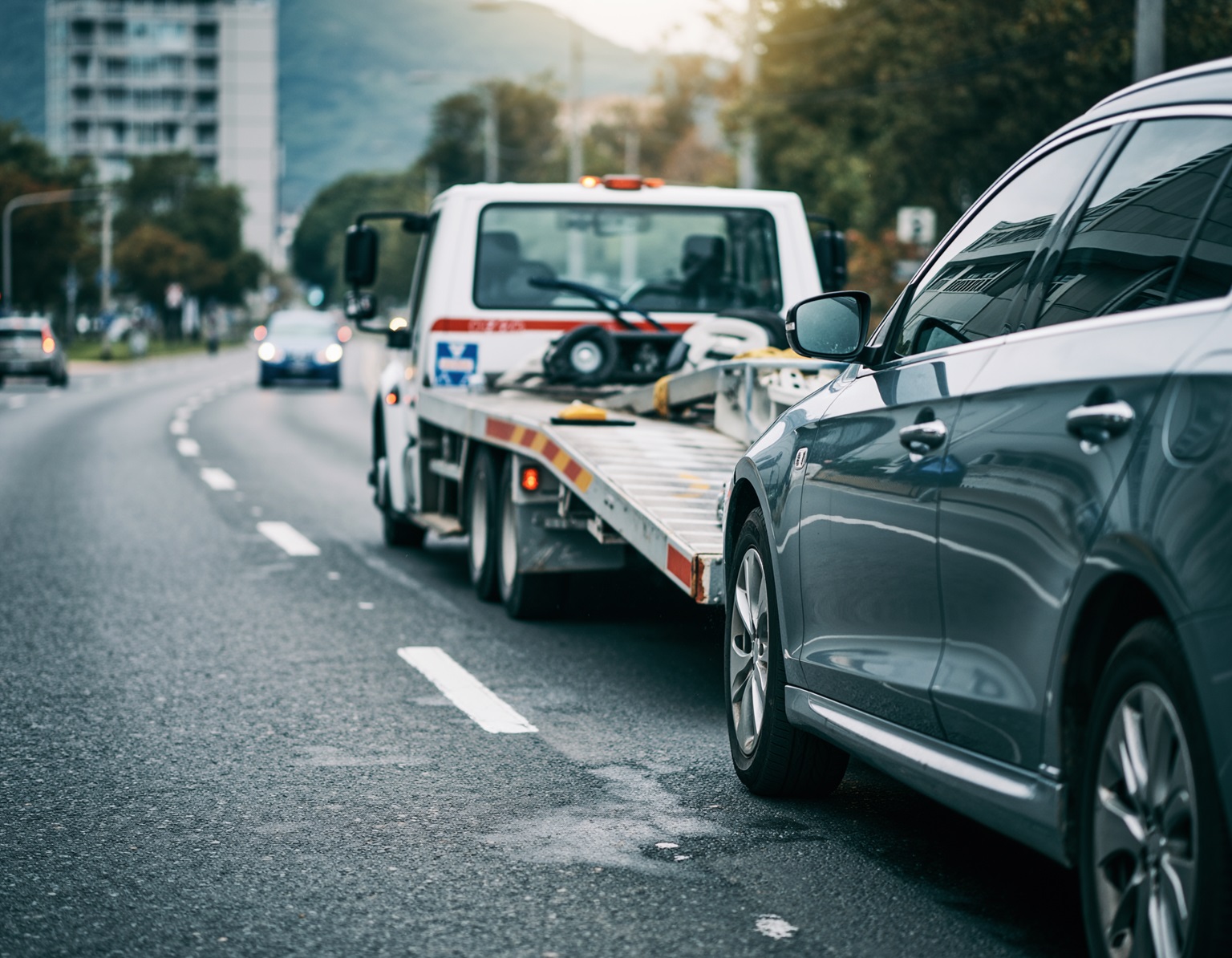
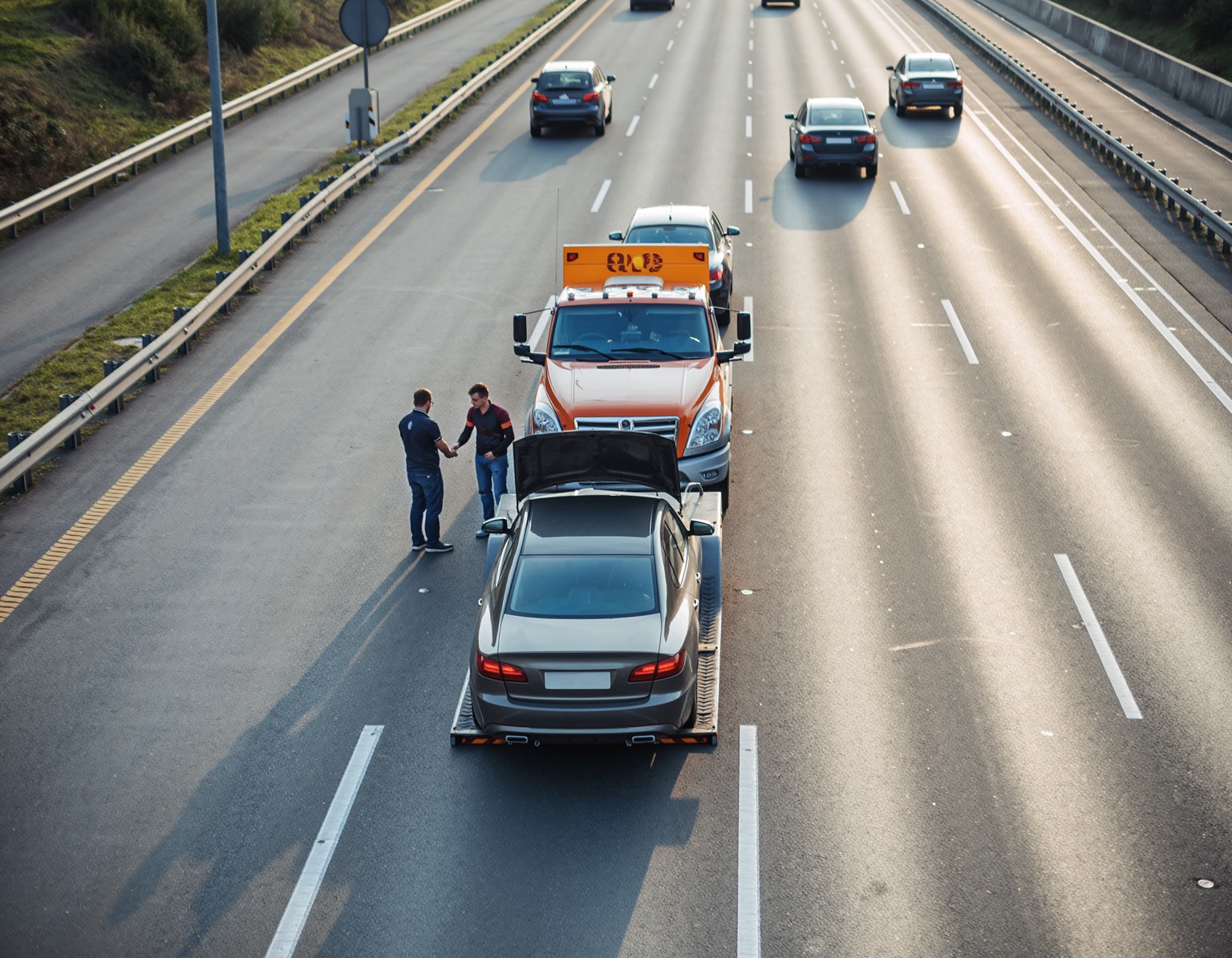
If you do find yourself stuck – flat battery, blown tyre, or something worse – that’s where All Out Towing comes in. Professional towing services help thousands of WA drivers get back on the road quickly, safely, and without the stress of figuring it out alone. Whether you’re on the freeway or a back road near Gingin, 24-hour emergency towing means you’re never truly stranded.
What to Keep in Your Car
Your car should have a few basics that make night breakdowns less miserable. A torch with fresh batteries is non-negotiable. Your phone’s flashlight drains your battery fast, and you’ll need that for calls. A high-vis vest makes you visible to other drivers if you’re standing near the road. Reflective triangles or a portable warning light give approaching traffic advance notice.
Keep a phone charger – ideally one that plugs into your cigarette lighter and a backup power bank. If your battery dies, you’ll need a way to call for help. A basic first aid kit, bottled water, and a blanket are also innovative additions, especially if you’re heading regional.
You don’t need a complete survival kit, but having these items means you’re not entirely reliant on someone else showing up immediately. It’s about buying yourself time and staying safe until help arrives.
The Road Ahead
Night driving safety on WA roads isn’t going away. You’ll keep doing it for work, family, and everything in between. The goal isn’t to avoid it – it’s to do it smarter. Understand what changes after dark, adjust your habits, and give yourself the margin you need to react when things go wrong.
Your eyes need more time to adjust. Your body fights sleep. Wildlife behaves unpredictably. But you already knew that. Now you know what to do about it.
Drive to the conditions, not the speed limit. Trust your instincts when something feels off. And if you’re ever in doubt, slow down or pull over. There’s no prize for getting there five minutes faster if you don’t get there at all.
If you need assistance after dark, contact us anytime. Our team understands the unique challenges of night driving safety in WA conditions, and we’re here to help when you need it most.