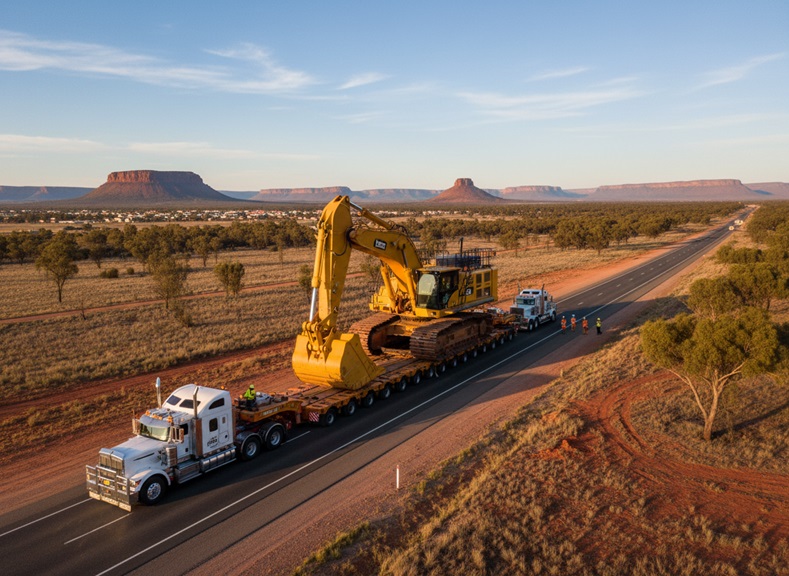
Transporting a forty-tonne excavator from Geraldton to Kalgoorlie is no small task. Heavy machinery transport WA operations requires more than a truck and trailer. They demand strategic planning, regulatory compliance, and technical expertise. Oversized loads pose unique logistical and safety challenges, and one mistake can cost thousands in damage or delay critical projects.
Professional operators manage every step of the process, from permits and route planning to secure loading and delivery. Here is what truly happens behind the scenes when oversized machinery travels across Western Australia.
Why Standard Transport Is Not Enough
Standard trailers and freight trucks are built for conventional loads, not industrial-scale machinery. Oversized assets like dozers, cranes, and harvesters exceed legal transport limits for width, weight, and height.
Typical limits include:
- Width: two point five metres maximum for standard freight
- Height: four point three metres from ground level
- Weight: forty two point five tonnes gross combination mass
A single breach of these limits triggers the need for special permits, pilot vehicles, and controlled travel windows. The goal is public safety. Oversized vehicles occupy multiple lanes, stress road surfaces, and require precise handling to prevent accidents.
When it comes to equipment that sits several metres wide or weighs as much as a small building, operators turn to heavy machinery towing services equipped with custom-engineered trailers and experienced drivers.
The Paperwork Behind Every Trip
Before transport begins, operators must obtain oversize load permits from Main Roads WA. These approvals require detailed data about:
- Load dimensions and weight
- Proposed route and travel times
- Vehicle type and axle configuration
- Pilot and escort arrangements
Larger or longer loads may require multiple escorts, front or rear, depending on location and risk factors.
Local councils also require notification, particularly for rural or regional routes where heavy transport can damage lightly maintained roads. Operators must comply with additional local restrictions on operating hours or road access.
Insurance is another major step. Standard transport insurance does not cover oversized loads, so operators must secure specialised coverage that accounts for high-value assets and route-specific risks.
Strategic Route Planning and Load Surveys
Moving heavy machinery across WA is not as simple as entering a destination into a GPS. Each route must be physically surveyed to identify clearances, bridge load ratings, and overhead obstacles.
During route planning, operators assess:
- Bridge capacities and surface strength
- Overhead power lines and signage
- Turning radiuses and narrow road sections
- Traffic density and rest stops
- Weather conditions and flood risks
Route surveys prevent accidents, delays, and fines from unplanned detours. In many cases, secondary or longer routes are chosen because they offer safer passage or better clearance for oversized load transport WA.
The Equipment That Makes It Possible
Transporting oversized machinery safely relies on specialised trailers and precision equipment:
- Low loaders keep cargo close to the ground to clear bridges and power lines
- Drop deck trailers are ideal for tall loads requiring height clearance
- Extendable and modular trailers adjust to accommodate variable lengths or multi-part loads
- Hydraulic axles distribute weight evenly to protect road surfaces
- Rated chains and cradles secure machinery tightly to prevent movement
Every component, from chains to hydraulic lock,s is rated for load weight and inspected regularly. Proper securing can take several hours, but it ensures stability during acceleration, braking, and cornering.
Professional operators such as All Out Towing maintain equipment specifically for large-scale and heavy machinery towing projects, ensuring compliance and reliability.
The Human Expertise Behind Safe Transport
Technology matters, but experienced operators make the difference between a smooth delivery and a costly incident. Heavy transport drivers in WA undergo years of training and often start with smaller freight before advancing to oversized loads.
Key responsibilities include:
- Calculating clearances within centimetres
- Managing acceleration and braking to maintain load stability
- Coordinating with pilot vehicles and emergency services
- Maintaining communication in remote regions with radio or satellite links
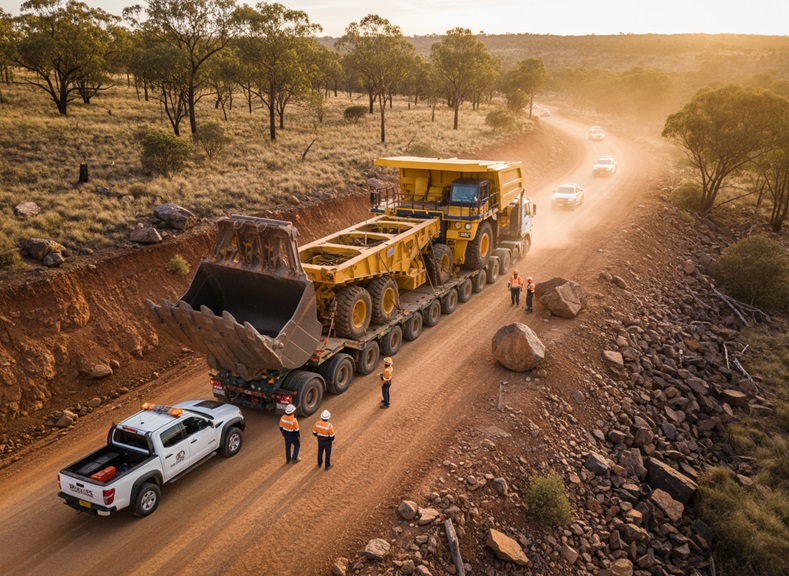
Escort drivers are equally vital. They manage intersections, warn other motorists, and communicate road conditions ahead. Their coordination allows oversized loads to navigate tight sections safely without disrupting surrounding traffic.
Fatigue management also plays a critical role. Long distances, heat, and demanding conditions mean operators must adhere to rest schedules and plan safe stopping locations. Oversized loads cannot simply pull over anywhere, so rest areas are scheduled well in advance.
What Happens During Transport
A typical oversized transport begins before sunrise to minimise public disruption. After final inspections, machinery is loaded using cranes or hydraulic systems. The cargo is then secured, checked, and rechecked before departure.
The convoy, consisting of the prime mover, escort vehicles, and sometimes a pilot car, moves at regulated speeds, often below eighty kilometres per hour. Every bridge, bend, and intersection has been accounted for in the route plan.
Operators continuously monitor the load’s stability and adjust speed for conditions such as high winds or road vibrations. Escort drivers stay in constant communication to warn about approaching traffic or hazards.
Stops for refuelling or inspections occur at designated points with sufficient space for the entire convoy. These stops are planned well in advance to avoid blocking traffic or creating hazards.
When Challenges Arise
Even with perfect planning, heavy machinery transport can encounter unexpected issues:
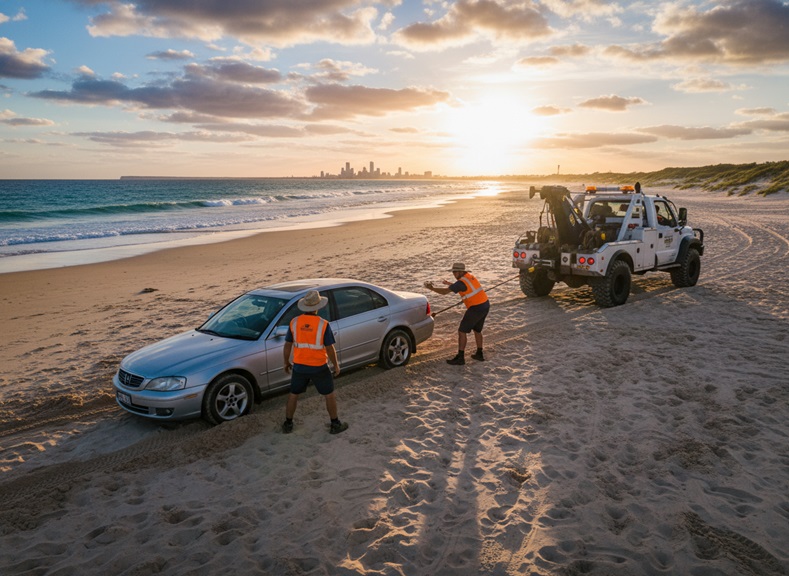
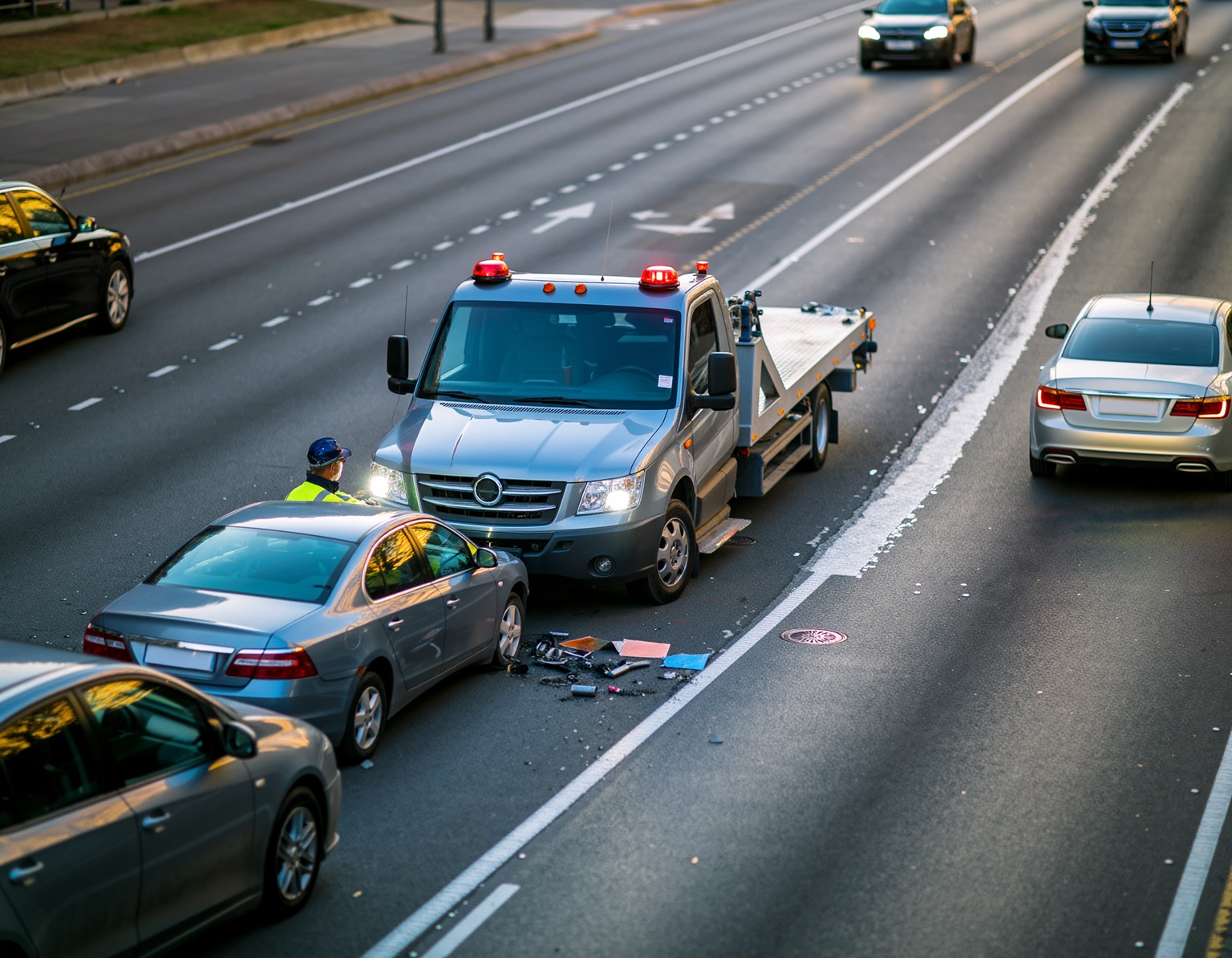
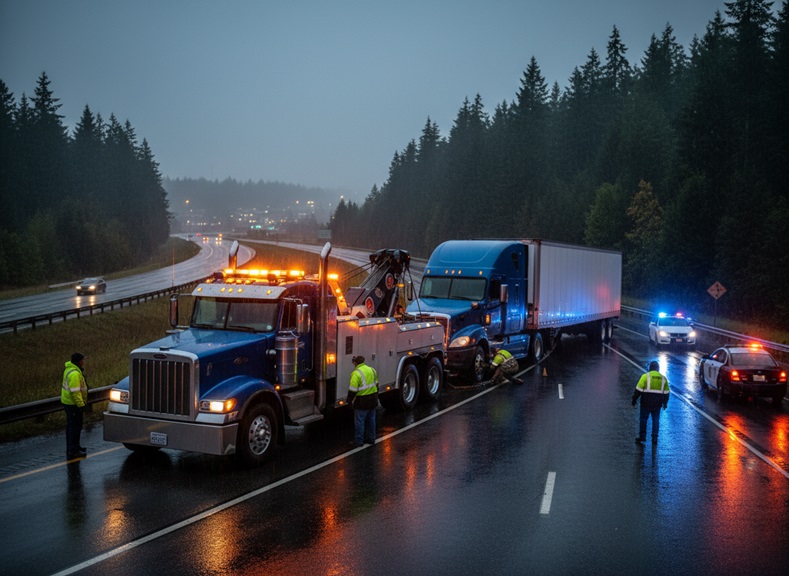
- Mechanical breakdowns require immediate roadside management and possibly backup vehicles
- Weather changes, such as flooding or crosswinds, can delay travel for safety reasons
- Route closures may force operators to activate contingency routes verified in the initial plan
Deviating from an approved route without authorisation can lead to severe penalties. Professional transporters adhere strictly to permits and maintain constant communication with authorities to avoid violations.
Regional WA: Unique Conditions and Challenges
Operating in remote WA brings distinct logistical concerns:
- Fuel access can be limited, with service stations hundreds of kilometres apart
- Communication gaps in regional zones make satellite systems essential
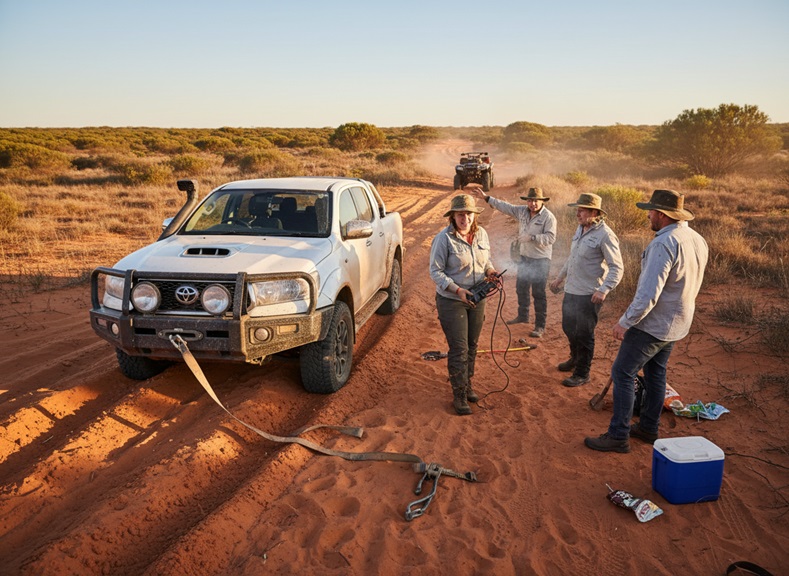
- Road conditions vary dramatically between sealed highways and unsealed outback tracks
- Wildlife and weather add unpredictable risks during long-distance hauls
Only operators with regional experience can manage these realities effectively. Local knowledge, such as knowing which bridges, crossings, and roads handle heavy loads, makes all the difference between smooth transport and unexpected setbacks.
Why Professional Help Is Essential
Attempting to arrange heavy machinery transport WA without proper planning invites significant risk. The correct approach involves expertise, compliance, and reliable communication.
Working with All Out Towing ensures:
- Full compliance with Main Roads and council regulations
- Professionally managed permits and pilot coordination
- Custom heavy machinery towing equipment
- Qualified drivers with proven experience handling oversized loads
- Insurance coverage that protects valuable assets
Before arranging transport, get in touch for consultation and planning support. Understanding your equipment’s specifications, route options, and legal requirements early saves time, cost, and stress later.
Final Takeaway
Moving oversized machinery across Western Australia is complex but manageable with proper expertise. Each journey depends on coordination between skilled operators, compliant equipment, and precise planning.
Partnering with professionals ensures that your assets reach their destination safely, legally, and on schedule. With proven experience in oversized load transport WA, All Out Towing delivers efficiency and reliability across every kilometre.