Heavy haulage in Western Australia is not something you can wing. The rules are specific, the penalties are real, and the consequences extend far beyond a fine. Whether you are moving mining equipment across the Pilbara or transporting oversized machinery through Perth’s northern suburbs, understanding heavy haulage regulation and how to secure haulage permits WA is about protecting people, assets, and your business.
Why Heavy Haulage Rules Feel Overwhelming
The stakes are enormous. Loads can weigh dozens of tonnes, span multiple lanes, and require traffic control to move safely. Complexity rises because requirements are split across agencies. Main Roads WA handles permits and networks, the Department of Transport sets standards, and local councils may control sections of a route. The good news is that once you understand the framework, compliance becomes manageable.
Analogy: Think of compliance like a bridge load rating. If you respect the rating, everyone crosses safely. Ignore it and the whole structure is at risk.
Permit Requirements That Actually Matter
Standard Limits
If you exceed standard limits, you need a permit. As a guide, common thresholds are 2.5 metres wide, 4.3 metres high, and 19 metres long for many combinations. Mass limits are strict too. For example, typical six axle semi combinations cap at 42.5 tonnes. Beyond these, you are in permit territory.
Permit Types and Lead Times
Depending on configuration and route, you may need Concessional Loading or Higher Mass Limits permits. Applications specify exact route, dimensions, mass, axle loads, and travel windows. Simple moves can be approved quickly. Extreme loads or metro routes can take weeks. Build permit time into project schedules to prevent last minute shortcuts.
Route and Load Specific
Permits are not universal. They are route specific and load specific. If dimensions change or you deviate from the approved path, you are operating illegally.
Route Planning Is Not Optional
Use the RAV Network
Verify your entire trip on the Restricted Access Vehicle (RAV) network. Check bridge limits, overhead clearances, road widths, and turning radii. If a section is not approved for your class, apply for special access or redesign the route.
Expect Detours and Windows
Detours can add significant distance and time yet are often the only legal option. Many metro moves are restricted to off peak windows, such as 9 pm to 5 am. Miss the window and you wait.
Escort and Pilot Vehicle Requirements
Loads that exceed trigger widths require professional escorts. Above common thresholds, one or two pilot vehicles are mandated, and extreme moves can require police escorts. Escort vehicles must meet standards, including rotating beacons, OVERSIZE LOAD signs, UHF radios, and in some cases message boards. Skipping escorts when required is illegal and unsafe.
Vehicle Standards You Cannot Ignore
Load Restraint
Follow the national Load Restraint Guide. Restraint systems must handle forward, rearward, and lateral forces. Chains, straps, and anchor points need correct ratings, and the chosen method must suit the load’s shape and centre of gravity.
Specialised Trailers and Tyres
Low loaders, extendable platforms, and multi axle trailers need engineering sign off. Tyres must be rated for maximum axle loads, correctly inflated, and maintained. Routine inspections are a legal requirement, not a nice to have.
Insurance and Liability Considerations
Standard vehicle policies do not cover heavy haulage. You need policies tailored to third party property, public liability, and goods in transit at heavy haulage scales. If infrastructure is damaged, you can be liable for repairs. Insurers expect full compliance and documentation before they will cover the risk.
Build Compliance Into Pricing and Process
Treat compliance as a project input, not an afterthought. Quote with permits, escorts, traffic management, and realistic windows already included. That approach prevents shortcuts under pressure.
Pre Move Compliance Checklist
- Load dimensions and mass verified
- Route checked on the RAV network
- Haulage permits WA applied with adequate lead time
- Escort vehicles booked if required
- Vehicle and trailer certifications current
- Insurance coverage confirmed for the full exposure
- Driver briefed on route, restrictions, and contingencies
Most failures happen because someone assumed a step was covered. A checklist removes that risk.
When You Need Professional Support
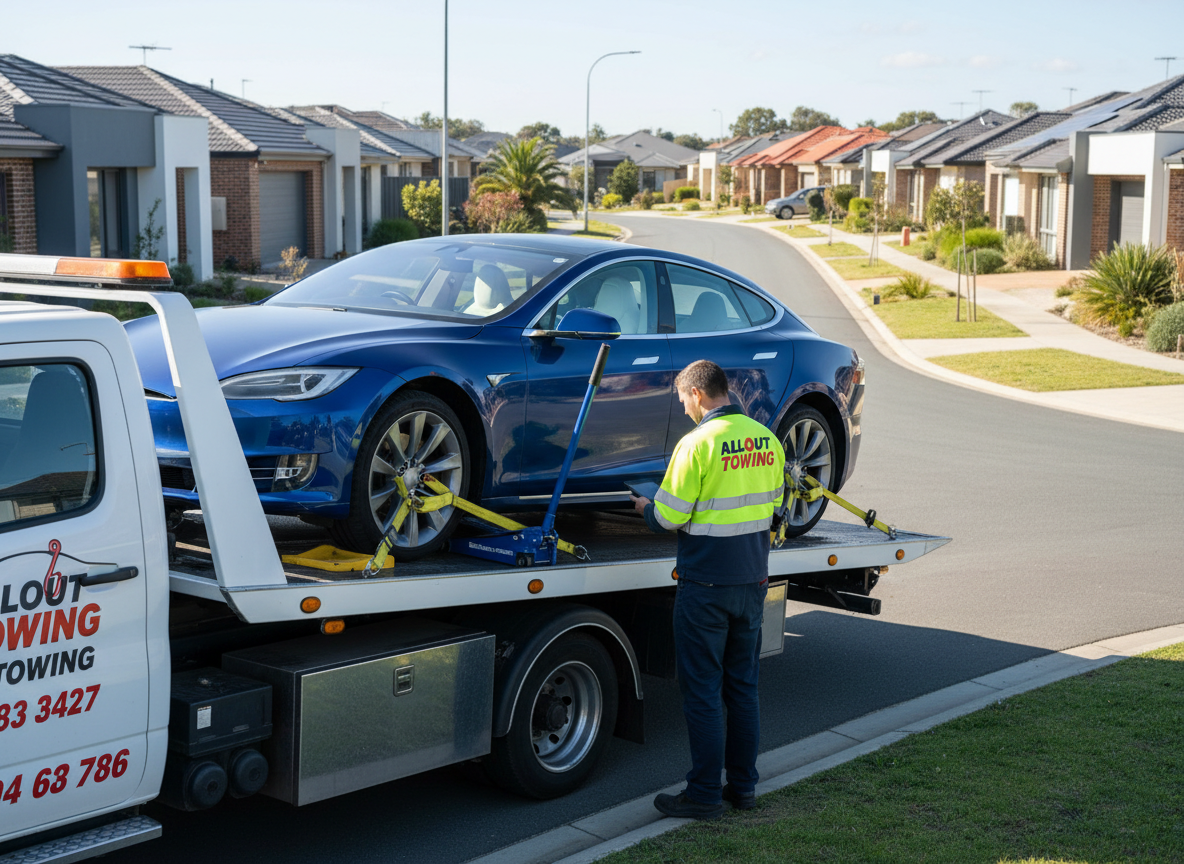
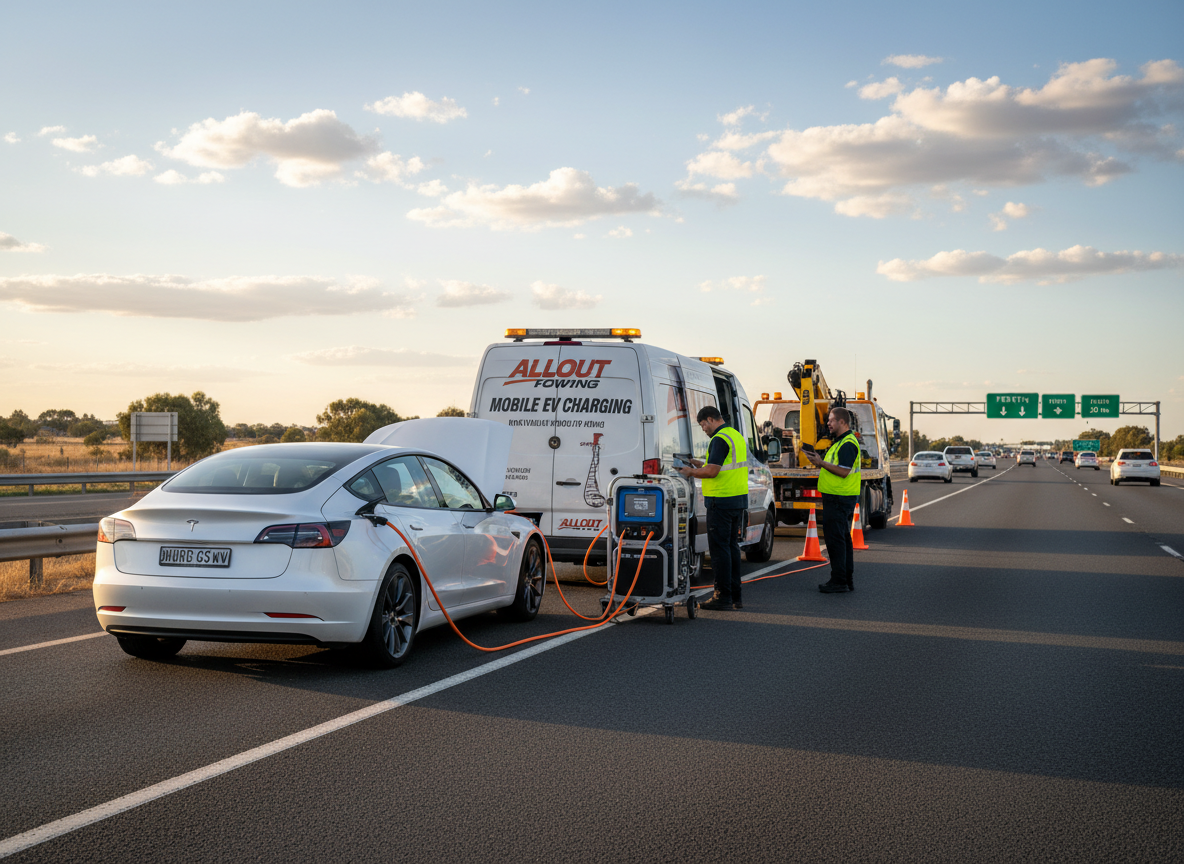
Some moves require specialist capability. If a job stretches your equipment or approvals, partner with a proven operator. Midway through planning, consider engaging a team that manages permits, routing, escorts, and documentation end to end. All Out Towing can assist with heavy machinery towing and truck towing services, and our team can help you get in touch to coordinate compliant support where towing intersects with haulage requirements.
Why Compliance Matters Beyond Your Business
You share roads with families in sedans, trades in utes, and vulnerable riders. Every other road user is trusting that your load is secure, your route is approved, and your driver is qualified. That trust is a responsibility.
Build a Compliance Culture That Lasts
Run regular briefings on current heavy haulage regulation, permit processes, and load restraint. Keep templates for common routes. Make it easy for drivers and schedulers to do the right thing. Reward early issue flagging to prevent problems before a move begins.
What Happens When You Get It Wrong
Penalties range from substantial fines and impoundment to licence suspension and civil liability. The larger costs are lost contracts, premium hikes, or cover refusal after breaches. One serious incident can undo years of hard work. Compliance is not a burden. It is your operating licence in practice.
Resources That Actually Help
- Main Roads WA: permit portals, RAV maps, guidance, and regional contacts
- Department of Transport WA: standards and approvals for vehicles and trailers
- NHVR Load Restraint Guide: national restraint rules and calculators
- Industry bodies: training, updates, and peer insights for practical improvements
Move Forward With Confidence
Build compliance into every job. Confirm dimensions and mass, lock the route on the RAV network, secure the right permits and escorts, and document every step. The operators who win in WA treat compliance as a competitive advantage. They deliver safely, legally, and on time, every time.