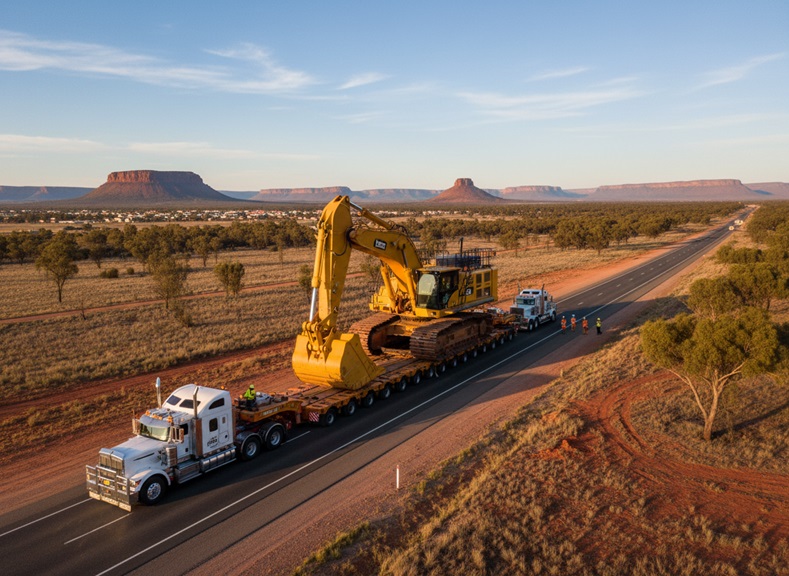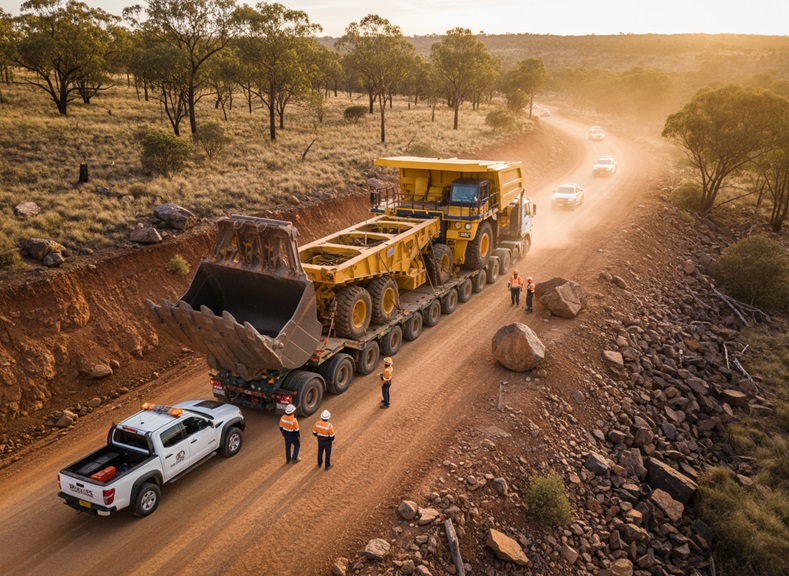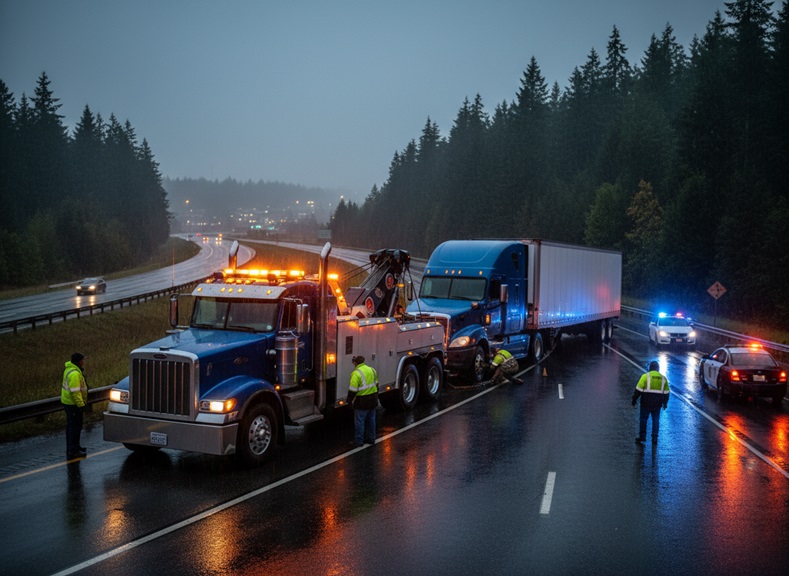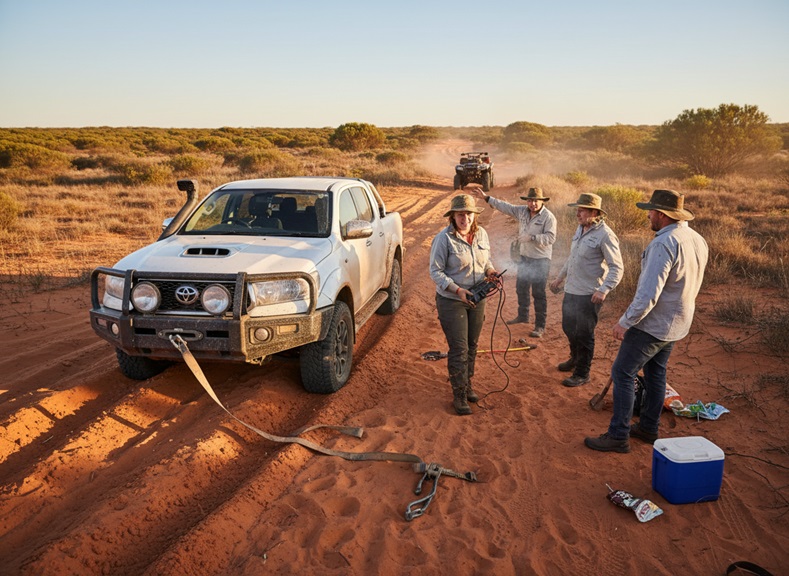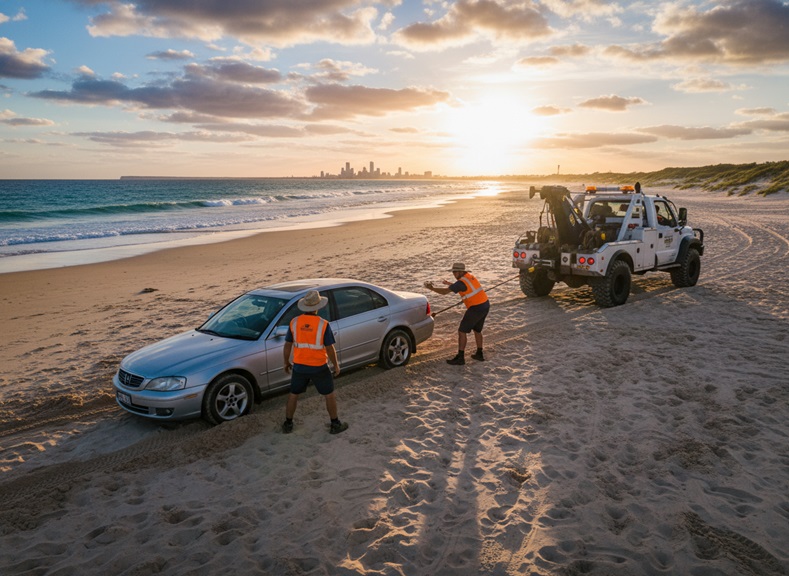
When a piece of heavy machinery breaks down mid-project, choosing the wrong recovery service can turn a manageable delay into a full-scale setback. Selecting the right tow truck for heavy machinery WA operations ensures your assets are recovered safely and your schedule stays on track. Every successful heavy haul depends on matching the correct truck type, operator experience, and equipment capacity to the job’s conditions.
Understanding Why Heavy Machinery Requires Specialised Towing
Ordinary tow trucks are not built for multi-tonne machinery. Standard models are suited for cars and light vans, while construction and mining equipment demand far greater structural strength, traction, and hydraulic control. A heavy-duty tow truck WA setup is built with a reinforced chassis, advanced braking systems, and powerful winches capable of managing extreme loads without causing strain or instability.
Each machinery recovery presents its own challenges. Soft ground, limited space, or uneven access can compromise safety if the truck and operator are unprepared. Choosing the right tow truck means considering not only towing strength but also ground clearance, reach, and equipment configuration to manage the terrain.
Weight Classification and Load Matching
Heavy towing relies on understanding Gross Vehicle Weight Rating and load distribution. A Class 7 or Class 8 recovery vehicle is typically required for heavy machinery, but raw figures alone are not enough. Operators must calculate:
- Actual machinery weight including attachments and fluids
• Load distribution across all axles
• Ground bearing capacity to prevent sinking on soft surfaces
Even a small miscalculation can cause instability during loading or transport. Professional towing teams verify this data before dispatch to ensure full compliance with Main Roads WA load safety standards.
Equipment Features That Define Heavy Duty Tow Trucks
The right tow truck is more than just big. It must be equipped for safe, controlled lifting, winching, and transport. Look for:
- Hydraulic tilt or slide decks that reduce ramp angle for safe loading
• Industrial-grade winches with adjustable speed and multi-line capacity
• Reinforced frames and low centre of gravity to maintain balance under heavy strain
• Stabilising outriggers for secure operation on uneven or soft ground
• Rated chains and binders specifically designed for machinery restraint
Proper equipment ensures smooth recovery even in confined or unpredictable environments. These features are standard in professional heavy-duty tow truck WA operations.
Terrain and Access Factors Across Western Australia
WA’s geography adds complexity to every recovery task. From metropolitan construction zones to remote mining corridors, ground conditions vary widely. Sand, gravel, and clay each require different traction and ground pressure management.
Tow trucks configured with tandem axles or All Wheel Drive provide greater stability on soft ground, while experienced operators bring mats or steel plates to distribute load and prevent sinking. Low-hanging obstacles such as bridges or power lines must also be measured carefully to avoid clearance issues during loading or transit.
The Importance of Qualified Operators
Advanced equipment is only effective when handled by trained personnel. Operators managing tow truck for heavy machinery WA projects must hold valid heavy combination or multi combination licences, along with site safety certifications for high-risk environments.
Experienced recovery drivers assess ground conditions before positioning the truck, determine the safest winching angles, and monitor load behaviour throughout the process. Their judgment prevents damage, improves turnaround time, and ensures that safety procedures meet WA standards.
Insurance, Compliance, and Documentation
When moving high-value equipment, insurance and compliance are as vital as the truck itself. Professional towing providers carry comprehensive coverage for machinery in transit, load recovery, and public liability.
Before engaging a towing company, confirm that:
- Coverage extends to the full machinery value
• Documentation includes proof of current heavy haulage insurance
• Compliance certificates align with WA road and safety requirements
A transparent company will provide these details immediately. Unverified operators expose clients to potential financial and legal risks if accidents occur.
Evaluating Service Quality Beyond Price
Price alone is never the right metric for heavy machinery recovery. Low-cost providers may cut corners on equipment maintenance, training, or insurance. Instead, evaluate towing services based on:
- Response time and communication clarity
• Availability of appropriate truck classes
• Operator qualifications and field experience
• Reviews or references from similar jobs
Reliable service means transparent quoting, upfront cost breakdowns, and consistent communication from dispatch to delivery.
When to Call Professional Support
Attempting to recover heavy machinery without the right truck, tools, or experience often leads to further complications. Professional heavy-duty tow truck WA services like All Out Towing specialise in complex recoveries and machinery transport across metro and regional areas.
They provide:
• Fully rated recovery vehicles and tilt trays
• Skilled operators familiar with local site conditions
• Coordination with site managers and road authorities
• Continuous communication from start to finish
For urgent jobs or planned project support, get in touch for rapid response and secure recovery solutions.
Preparing Before You Call
Having key information ready improves response time:
- Machinery make, model, and estimated weight
• Site access conditions, including ground type and clearance limits
• Pickup and drop off locations
• Preferred timing and safety requirements
Providing these details ensures that the right truck, crew, and rigging arrive prepared, minimising disruption to your project schedule.