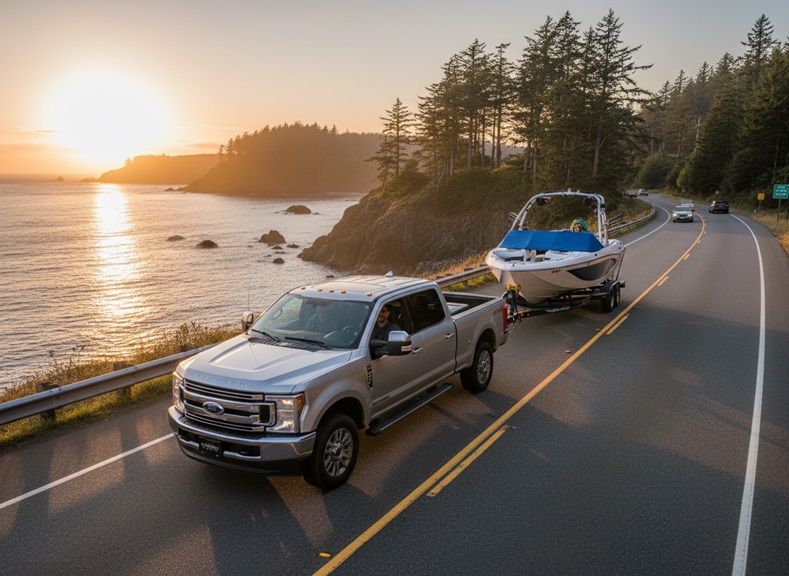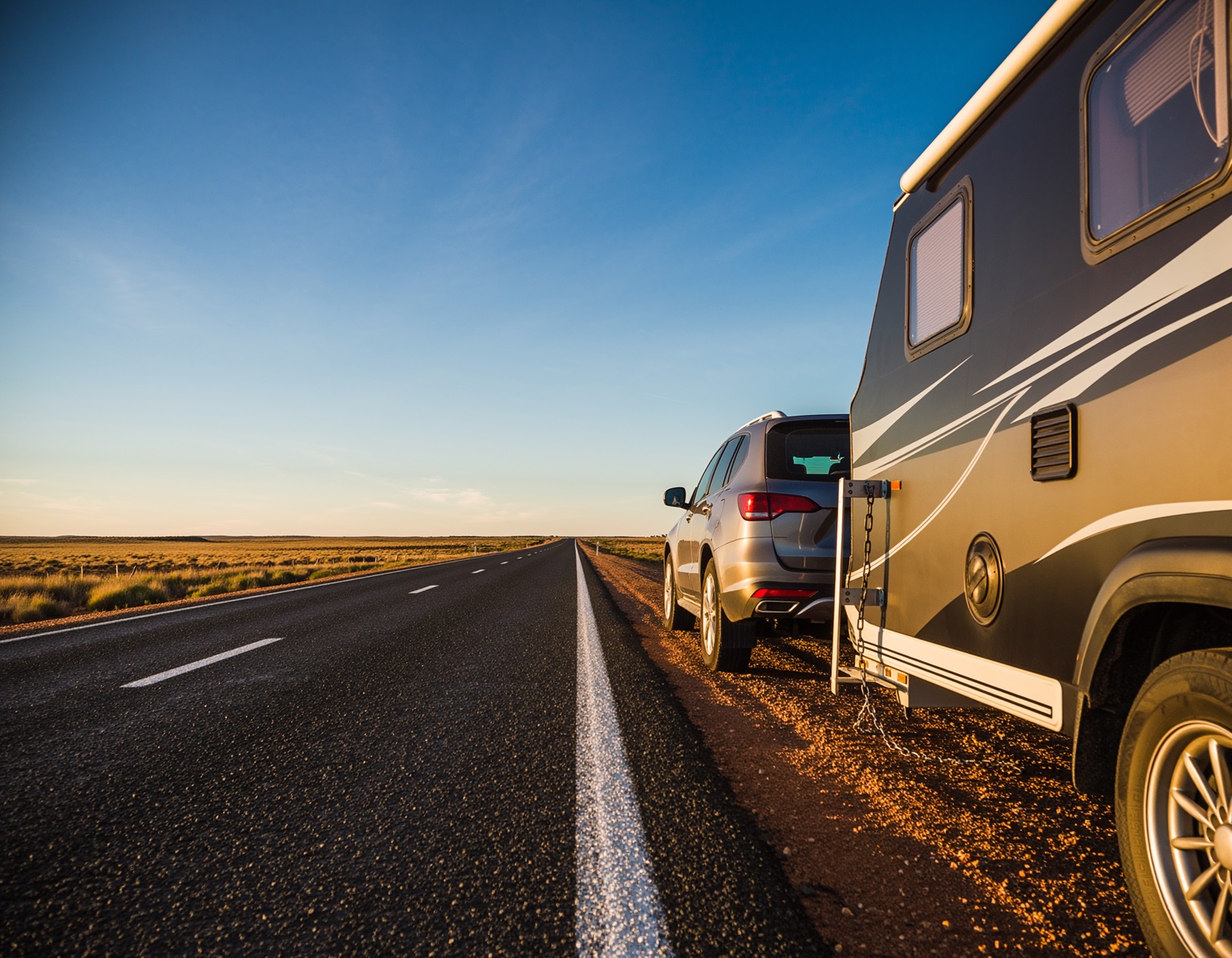
You’ve spent months planning your WA road trip. The caravan’s packed, the route’s mapped out, and you’re ready to explore everything from the Coral Coast to the forests down south. Then you hook up the van, pull onto the road, and realise this feels nothing like driving your car alone.
The weight distribution’s different, the braking distance has doubled, and every gust of wind feels unpredictable. That slight wobble at 90km/h? It’s not normal, and understanding why it happens is crucial before you set off.
Towing a caravan across Western Australia isn’t just about having the right vehicle and a valid licence. It’s about recognising how your entire driving experience changes once you connect that towball. The good news is that most towing issues aren’t mechanical failures , they’re knowledge gaps. And those gaps are easy to fix with the right preparation and awareness.
Why Caravan Towing Feels Different in WA
Your brain knows you’re towing extra weight, but your instincts take time to adjust. Many new towers brake at the same points they normally would or change lanes with their usual quick glance. That’s when mistakes happen.
A common issue we see along WA highways is improper loading. One traveller recently found his van swaying because all the water tanks were filled at the rear. It’s a simple mistake with serious consequences.
The physics are straightforward: more weight means more momentum, which means you need more distance, time, and awareness. Your stopping distance can increase by 50% or more when towing. The gap you’d usually leave isn’t enough anymore. The lane change you’d normally make without thinking now requires three mirror checks and an earlier signal.
Getting Your Weight Distribution Right
This is where most caravan towing problems start , and it’s also the easiest factor to control before you leave home. Think of your caravan like a seesaw: weight at the ends creates instability, weight in the middle creates control.
- Towball weight should sit between 10, 15% of your van’s total weight.
- Too light and the van will sway.
- Too heavy and you’ll overload the rear axle, making steering vague.
- Load heavy items such as water tanks, gas bottles, and batteries over or slightly forward of the axles.
- Avoid storing heavy gear at the back.
- Every time you repack, your balance changes , even small shifts matter.
At All Out Towing, our team has recovered many caravans that were stable on the way north but became unstable on the return trip after being packed differently. Small adjustments in weight can make a huge difference.
Check your vehicle’s towing capacity in the owner’s manual, not just the brochure. Brochures list maximum figures under ideal conditions; the manual reflects real-world limits when you’re carrying passengers, luggage, and full fuel tanks.
Pre-Trip Safety Checks That Matter
You don’t need a 47-point checklist. Focus on what truly affects safety and reliability.
Tyres:
- Check pressures when cold, including the caravan’s.
- Look for cracks or bulges, especially if it’s been in storage.
- Remember, caravan tyres usually need higher pressures than car tyres.
Coupling and Safety Chains:
- The coupling should click firmly onto the towball with no play.
- Safety chains must cross under the coupling and be short enough to prevent dragging.
- Loose or long chains can let a van veer into traffic before catching.
Brakes and Lights:
- Test the electric brakes in a car park at low speed. The van should slow you down evenly.
- Check that brake lights, indicators, and number plate lights all work. Corroded plugs are common, especially near the coast.
- According to Main Roads WA, functioning lights and brakes are mandatory for all caravan setups.
Weight and Balance:
- Ensure even loading and check your towball weight before departure.
- Secure all internal items so they don’t shift during transit.
These simple checks can prevent most roadside breakdowns and keep your caravan towing smooth and predictable.
Handling Western Australia’s Road Conditions
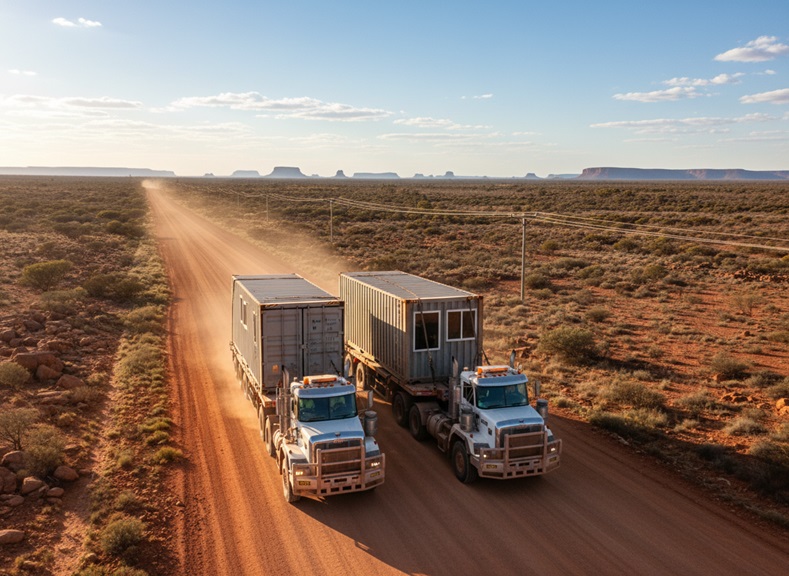
Western Australia offers stunning drives , but its roads vary dramatically. You’ll encounter sealed highways, gravel tracks, coastal winds, and long empty stretches where help can be hours away. Understanding how to adapt to each surface is key to safe caravan towing in Western Australia.
Sealed Highways:
Even smooth bitumen can be deceptive. Stay alert when lanes narrow or shoulders disappear. Always give yourself extra space before overtaking.
Gravel Roads:
Reduce speed to 80km/h or lower. Caravans sway more on loose surfaces because of reduced traction. If sway starts, slow down gradually , never brake hard.
Corrugations:
Corrugated roads shake fittings loose and can cause your van to bounce or sway. Slow down until the vibration eases. It might feel slow, but it’s faster than waiting for roadside assistance after damage occurs.
Wind:
Crosswinds are common along the coast and open plains. Make small, gentle steering corrections. If the wind’s strong enough that you’re constantly adjusting, pull over safely and wait it out.
What to Do When Things Go Wrong
Caravan sway is frightening when it first happens. The van starts swinging behind you, and instinct says “brake” , but that makes it worse.
If you experience sway:
- Ease off the accelerator slowly.
- Keep the steering wheel straight.
- Don’t accelerate or brake sharply.
- Let speed reduce naturally until control returns.
If sway continues, check your weight distribution before travelling further.
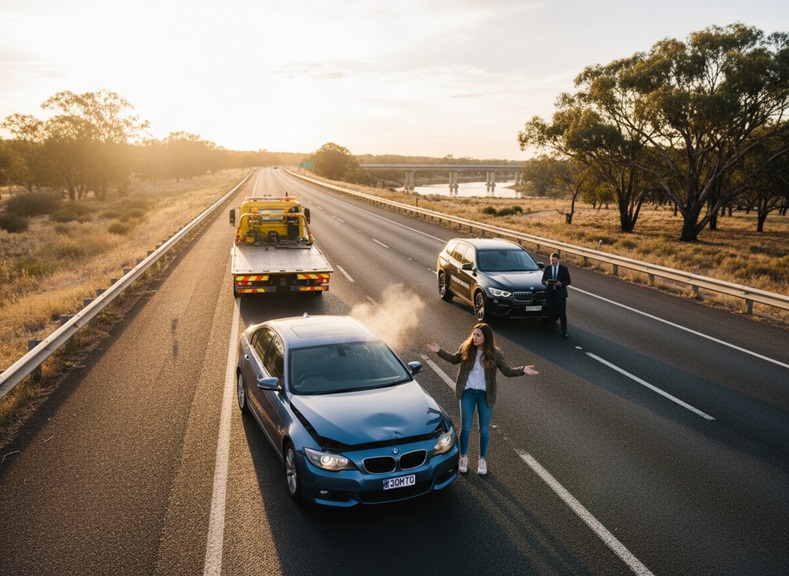
For flat tyres, avoid changing them on the roadside. Caravans are heavy, and their jacks can slip. Instead, call professional towing services such as our safe car towing services to manage recovery safely.
Breakdowns happen , electrical faults, suspension issues, blown tyres. If you can’t fix it quickly, contact a team experienced in caravan towing Western Australia travellers can rely on. Improper towing by untrained operators can cause major damage.
Keep emergency contact numbers saved before heading into remote areas with limited signal. Preparation is peace of mind.
Speed, Space, and Staying Calm
The speed limit for caravans in WA is 100km/h, but your safe speed might be lower depending on your setup and experience. If you’re new to towing, stay at 90km/h until you’re confident. You’re not holding anyone up , you’re prioritising safety.
Maintain double the normal following distance to allow gentle braking. Sudden stops can trigger sway or overload your brakes.
Plan your stops early. Caravan-friendly rest areas with adequate space are safer than pulling onto narrow shoulders. Reversing with a van takes practice, so don’t rush. If in doubt, find space or ask for a spotter’s help.
Think of it this way: towing a caravan is like guiding a long train , it’s steady, deliberate, and rewards patience.
Building Confidence Over Time
Your first trip shouldn’t be a 2,000km trek to Broome. Start with short journeys to learn how your caravan handles, how long setup takes, and how your vehicle responds.
Each trip builds experience. You’ll refine your packing, learn preferred routes, and discover that the initial tension fades once towing becomes familiar. Preparation breeds confidence , and confidence keeps you safe.
Drivers who enjoy towing are usually those who take the time to prepare properly: checking weights, practising manoeuvres, and understanding their limits.
Getting Help When You Need It
There’s no shame in asking for professional help. If you’re unsure about your caravan’s balance, many service centres offer weighbridge checks. For ongoing handling issues, seek inspection before hitting the highway.
When problems occur , from breakdowns to accidents , rely on experts who understand caravan dynamics. You can get in touch with our 24-hour team for assistance anywhere across WA. Our operators handle everything from tyre blowouts to complete recovery jobs with safety and care.
The Western Australia you’re planning to explore is worth every kilometre. From the coral coastlines to the red dirt tracks and forested south, your caravan is the key to freedom. Once you understand the principles of caravan towing Western Australia conditions demand, every journey becomes more relaxed, more confident, and far safer.
Your caravan isn’t a burden , it’s your home on wheels, your adventure base, and your freedom to stop wherever the view’s worth it. With the right preparation and a calm mindset, caravan towing tips WA travellers follow will take you anywhere this state has to offer.