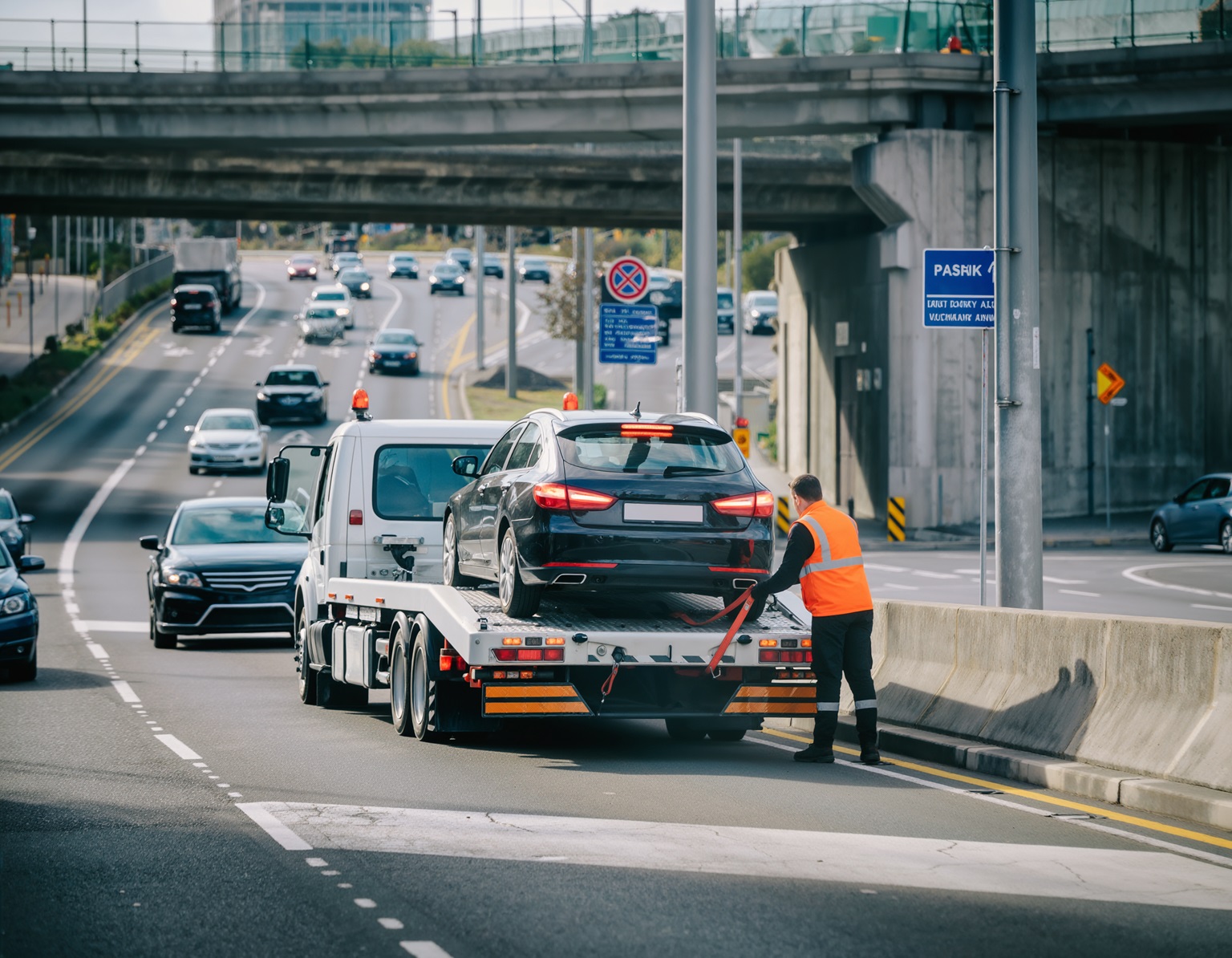
You’re stuck on the side of Mitchell Freeway with a car that won’t start, and the first thought that crosses your mind isn’t “how did this happen?” – it’s “how much is this going to cost me?” If you’ve got car insurance, you’re probably wondering whether it’ll cover the tow truck that’s on its way. The answer isn’t as straightforward as you’d hope, and that’s frustrating because you’re already dealing with enough stress.
Most comprehensive car insurance policies in WA don’t automatically include towing cover. That’s the hard truth. You might’ve been paying premiums for years, thinking you’re fully protected, only to discover there’s a gap right when you need help most. Understanding car insurance towing WA policies – and what they don’t include – can save you hundreds of dollars and a lot of confusion when you’re stranded.
What Standard Car Insurance Actually Covers
Your basic comprehensive car insurance in WA typically covers damage to your vehicle from accidents, theft, fire, and weather events. Third-party property insurance covers damage you cause to other people’s property. Neither of these automatically includes towing or roadside assistance, which catches many drivers off guard.
The confusion is understandable. You’re paying for protection, so it feels like towing should be part of that package. But insurers separate vehicle damage cover from roadside service cover, treating them as different categories of risk and assistance.
Some comprehensive policies include limited towing after an accident – usually to the nearest repairer or a location within a set distance. This isn’t the same as breakdown cover. If your car dies because of a mechanical failure, a flat battery, or you’ve run out of fuel, that accident-related towing clause won’t help you.
The Difference Between Towing and Roadside Assistance
Towing means physically moving your vehicle from one location to another using a tow truck. Roadside assistance is broader – it includes jump-starts, tyre changes, lockout help, and emergency fuel delivery, along with towing if those fixes don’t work.
Many WA drivers use these terms interchangeably, but your insurance policy treats them differently. You might have roadside assistance through your insurer that covers minor fixes on the spot, but if your car needs to be towed to a mechanic, that could be a separate cost unless it’s specifically included.
This confusion often surfaces when someone gets bogged down in dunes or remote coastal areas. They call their insurer expecting recovery coverage, only to learn their policy covers accident-related towing, not off-road recovery. The surprise cost that follows can be hundreds of dollars out of pocket.
When Car Insurance Towing WA Policies Actually Cover You
Some situations do trigger towing coverage, even under standard policies. If you’re in an accident and your car isn’t drivable, most comprehensive policies will pay for towing to a repairer or your home, usually up to a set distance or dollar amount. Check your Product Disclosure Statement (PDS) for the exact limits – they vary widely between insurers.
Policies with accident-related towing typically cover:
- Towing after a collision where your vehicle is damaged
- Transport to the nearest approved repairer
- Sometimes, a hire car while yours is being fixed
What they don’t cover is mechanical breakdown, running out of fuel, flat batteries, or getting stuck. These are considered maintenance or driver issues, not insurable events.
If you’ve added roadside assistance to your policy, that changes things. This add-on usually includes a set number of callouts per year for breakdowns, flat tyres, dead batteries, and yes, towing if the problem can’t be fixed on site.
Roadside Assistance as an Insurance Add-On
Most major insurers in WA offer roadside assistance as an optional benefit you can add to your policy for an extra annual fee. This typically costs between $70 and $150 per year, depending on your level of cover and how many vehicles you have.
For that yearly fee, you usually get:
- Unlimited or limited callouts for breakdowns
- Towing to the nearest repairer if your car can’t be fixed roadside
- Jump-starts, tyre changes, locksmith help, and emergency fuel
- Coverage Australia-wide
The catch is that these add-ons often have distance limits for towing – commonly 25 to 50 kilometres from where you broke down. For Perth metro drivers, that’s usually enough. But if you’re in the Wheatbelt or heading down south, you might hit that limit quickly.
You’ll also need to use the insurer’s preferred towing provider. You can’t just call any tow truck and expect reimbursement. In remote areas, that can mean longer wait times if contracted providers aren’t close by.
Standalone Roadside Assistance Memberships
You don’t have to bundle roadside assistance with your car insurance. Standalone memberships from dedicated organisations often provide better value and more comprehensive cover than insurance add-ons.
These memberships typically include:
- Unlimited callouts across Australia
- Longer towing distances, sometimes over 100 kilometres
- Cover for multiple vehicle types
- Extra perks like discounts and travel assistance
The annual cost is similar to an insurance add-on – usually between $100 and $200, depending on coverage level – but the flexibility and reach are often better. If you drive more than one vehicle or share cars in your household, a personal membership can make more sense.
What Happens If You’re Not Covered
If you’ve broken down and you don’t have towing cover through insurance or a membership, you’ll need to pay for the tow truck directly. That’s where costs can climb fast.
A standard metro trip in Perth usually costs between $150 and $300, depending on distance and time of day. After-hours or weekend callouts attract higher rates. Regional or remote towing can easily double that.
Here’s what you can expect to pay:
- Basic metro tow (5-10km): $150-$200
- Longer metro tow (up to 30km): $250-$350
- After-hours or weekend: Add 30-50%
- Regional towing (50km+): $400-$800
- Specialist recovery (off-road or winching): $500-$1,500+
These are upfront costs in most cases. If you don’t have the funds when stranded, it adds stress to an already difficult situation. Families, tradies, and commuters all get caught out this way every week.
Compare that with having cover: one phone call, a tow truck arrives, your car gets moved safely, and you’re not out of pocket beyond your excess or membership fee. The peace of mind is worth far more than the annual cost.
Why This Feels Harder Than It Should
The reason so many WA drivers are confused about towing coverage is that the insurance industry hasn’t made it simple. Policies are full of jargon, exclusions are buried in fine print, and coverage varies wildly between providers.
You’d think “comprehensive” insurance would fully cover you, but it doesn’t. The name implies complete protection, yet towing and roadside assistance are treated as extras. That disconnect between expectation and reality frustrates drivers every day.
Insurance companies separate these services because they’re structured differently. Damage cover is about claims and risk. Roadside assistance is about service and logistics. From a driver’s perspective, it all feels like it should come under one safety net.
Start Here, Not With Perfection
If you’re reading this and realising you’re not sure what you’ve got, start simple. Check your current policy and look for towing or roadside assistance. If it’s not listed, call your insurer and ask:
- Does my policy cover towing after a breakdown or only after an accident?
- If I add roadside assistance, what does it include, and what does it cost?
- Are there distance limits or restrictions I should know about?
Once you have those answers, compare them to standalone memberships or other cover options. Think about where and how you drive – mostly Perth metro or regional WA. The right choice depends on your driving habits, not just price.
If you don’t have any towing coverage right now, consider this: one unplanned tow can cost more than a full year’s membership. It’s not about pessimism – it’s about being prepared.
What Happens When You Call for Help
Knowing what to expect when you call for a tow helps reduce stress.
If you have insurance or membership cover, you’ll ring their assistance line, provide your location, policy details, and describe the problem. They’ll arrange the tow and give you an ETA.
If you’re paying directly, you can call a trusted local company like All Out Towing’s 24-hour emergency towing service. We’ll confirm pricing upfront, dispatch a truck, and keep you updated on arrival time.
When the tow truck arrives, the driver will check if your car can be fixed on the spot – such as a jump-start or tyre change – or if it needs towing. You’ll then decide where the car goes: home, mechanic, or another safe location.
If you have insurance coverage, you might pay upfront and claim later, depending on your provider. With membership-based cover, the tow is usually handled on the spot within your included limits.
The Guilt You’re Probably Feeling (and Why It’s Misplaced)
If you’ve been driving for years without towing cover, you’re not alone. Most people don’t think about it until it’s too late. You’re not irresponsible – you’re just busy living life.
The good news is you can fix it now. Think of towing cover as a safety net, just like a seatbelt. You hope you’ll never need it, but when you do, you’ll be glad it’s there.
When Car Insurance Towing WA Cover Isn’t Enough
Even if you have towing cover, there are situations where you might face additional costs.
If your car breaks down in a hard-to-reach area – off-road, down an embankment, or somewhere requiring winching – that’s specialist recovery. These jobs need heavy equipment or extra personnel and usually aren’t included in standard coverage.
Heavily modified vehicles can also fall outside standard towing limits, as can multiple breakdowns in a short time. If your insurer caps callouts at five per year, you might hit that limit quickly with an older car.
This is where knowing a reliable local towing provider helps. You can call for direct help and clear pricing when your insurer’s coverage runs out.
What WA Conditions Mean for Your Cover
Western Australia’s conditions test both vehicles and policies. Perth’s summer heat strains batteries, and long regional distances challenge standard cover limits.
A 50-kilometre towing limit sounds fine until you break down halfway to Geraldton and the nearest mechanic is 200 kilometres away. Those extra kilometres aren’t free.
Breakdown rates spike from December to February when high temperatures push engines and batteries to their limits. During this time, wait times for roadside assistance increase. Reliable towing cover becomes essential, especially for regional trips.
Service coverage is concentrated around major towns, meaning if you’re driving in remote WA, it’s important to have contact details for trusted local providers ready.
Making the Decision That Fits Your Life
There’s no universal answer for whether to add towing to your car insurance or buy standalone cover. It depends on your vehicle, lifestyle, and comfort level.
If you drive a newer car with manufacturer’s roadside assistance, check whether that’s still valid. If you’ve got an older car or rely on your vehicle for work, dedicated towing cover is a smart investment.
Families benefit from knowing help is one call away. Tradies and business drivers protect their livelihoods by reducing downtime. Regional drivers get peace of mind knowing they’re covered even in remote areas.
Understanding Car Insurance Towing WA: The Bottom Line
Understanding car insurance towing WA policies comes down to knowing what’s actually covered and what’s not. Don’t assume you’re protected until you check.
If you ever find yourself stranded, having a plan and a trusted contact ready makes all the difference. For fast, safe, and professional towing anywhere across Perth and beyond, you can always rely on All Out Towing.
If you need urgent help right now, get in touch with our team for immediate assistance.