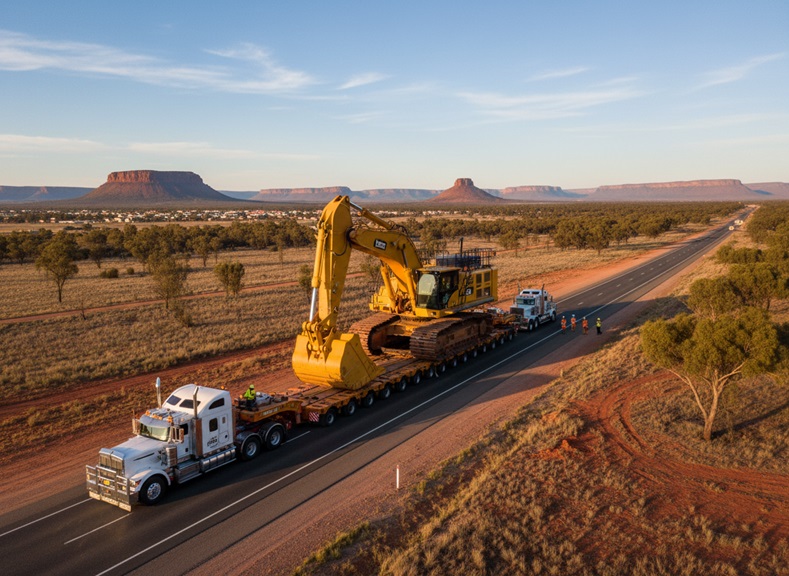
When a semi-trailer stops in the middle of the Great Northern Highway at two in the morning, the challenge goes far beyond a standard roadside callout. You are dealing with forty tonnes of machinery, valuable cargo, and strict delivery deadlines. Heavy truck recovery WA operations demand more than power – they rely on precision, engineering knowledge, and coordinated logistics.
Why Trucks Face Unique Breakdown Risks
Heavy vehicles endure relentless pressure across Western Australia’s long, demanding routes. Extreme heat, steep climbs, and constant weight stress every component. Cooling systems work at maximum capacity, transmissions handle continuous gear shifts, and tyres heat up with every kilometre. When something fails, it fails completely – a blown turbo, snapped axle, or seized transmission can stop a truck instantly.
Driver fatigue adds to the risk. Many operators travel long hours across isolated stretches, and early warning signs can be missed. A minor vibration or temperature rise might go unnoticed until the problem becomes critical. These realities make truck towing services WA essential to the state’s freight industry, ensuring stranded drivers get expert help no matter where they are.
The Complex Nature of Heavy Vehicle Recovery
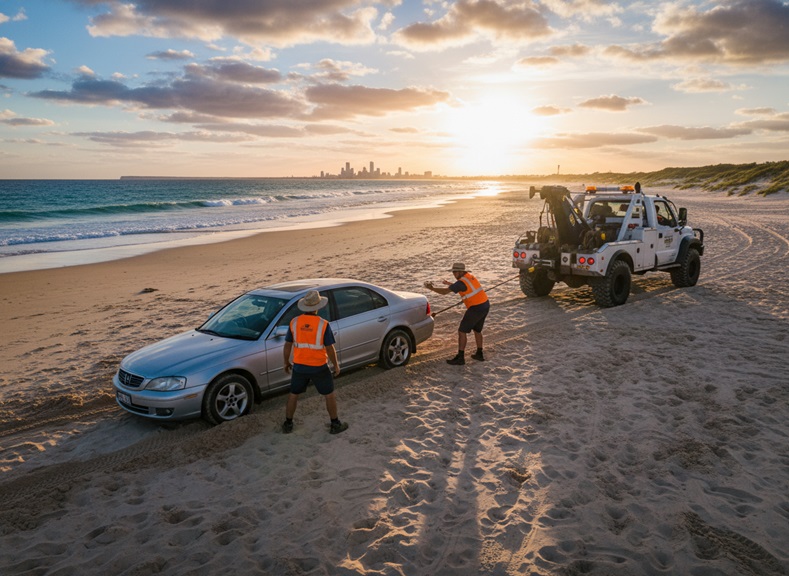
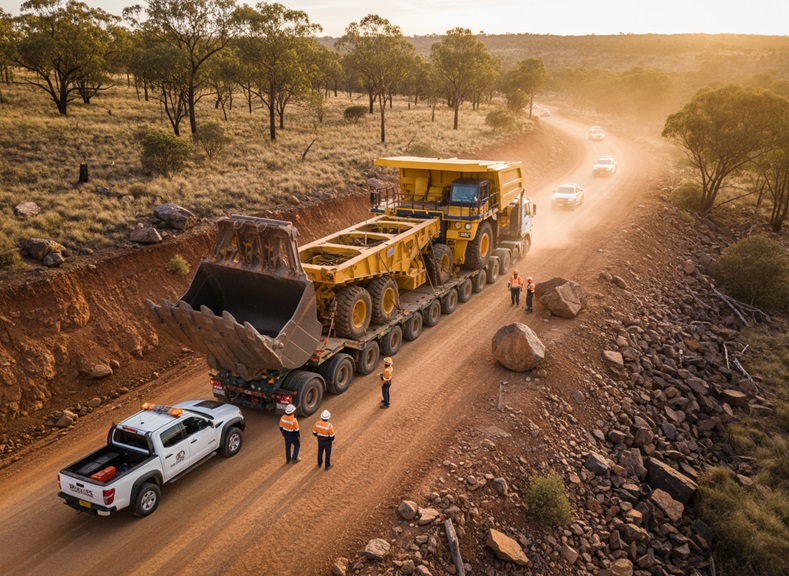
Recovering a heavy truck is not a matter of simple towing. Every job involves assessing weight, balance, and load type. A trailer carrying livestock requires a different strategy than one loaded with mining machinery or perishable goods. The truck’s position also matters. A prime mover parked safely on the shoulder can be recovered easily. A unit off-road or tilted at an angle in soft sand demands advanced stabilisation and multi-vehicle coordination.
Environmental factors compound these challenges. Recovery teams often face high temperatures, limited visibility, or unstable terrain. On occasions where the truck carries regulated materials, strict safety and environmental procedures must be followed to prevent contamination or spills.
Specialised Equipment Used in Heavy Truck Recovery
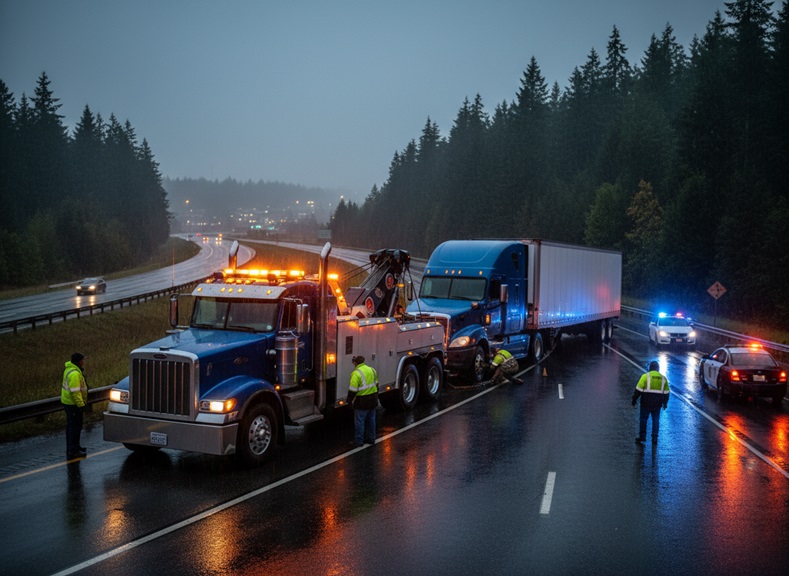
Successful heavy truck recovery WA operations rely on purpose-built machinery. Heavy-duty rotator trucks with extendable hydraulic booms are central to large-scale recoveries. These units rotate and extend to reach vehicles positioned in difficult locations, allowing precise control when lifting or straightening trailers.
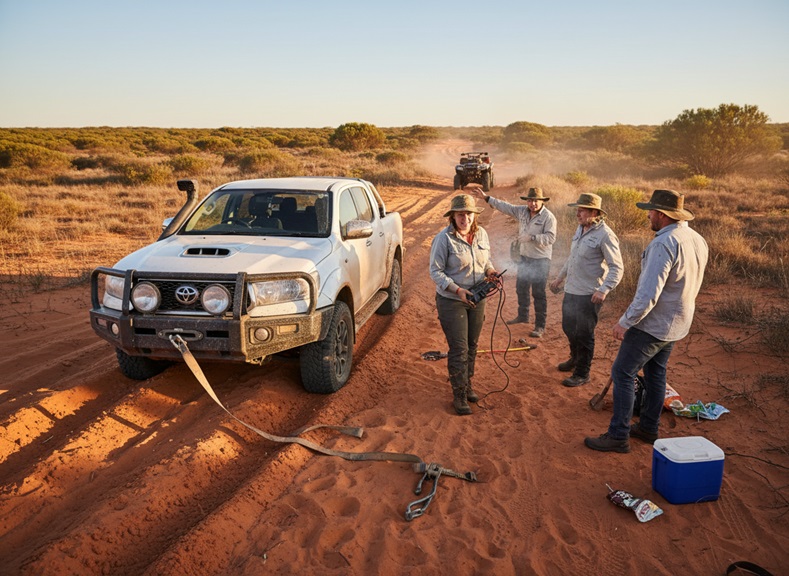
Industrial-grade winches capable of moving tens of thousands of kilograms enable controlled repositioning, especially for jackknifed trailers or trucks that have left the road. Operators use calibrated winching techniques to move vehicles centimetre by centimetre to avoid frame distortion.
Hydraulic jacks and air cushions help stabilise and lift sections of vehicles without causing further mechanical stress. These methods protect both the damaged truck and its cargo. Support vehicles carry equipment such as load-rated chains, binders, and steel traction plates for ground reinforcement. All Out Towing maintains a fleet equipped for these demanding operations across regional and metro WA.
The Human Element Behind Every Recovery
Every breakdown disrupts a driver’s schedule and potentially costs a transport company thousands in downtime. Professional towing operators recognise this pressure and maintain clear communication at every stage. Transparency about timeframes and recovery steps helps drivers and logistics managers plan accordingly.
Reliable recovery crews treat each situation with respect and urgency. The goal is not just to remove the truck from danger but to protect the driver, the cargo, and the company’s operations. Expert communication and calm execution turn stressful breakdowns into managed recoveries.
Frequent Heavy Truck Breakdown Scenarios
Truck operators in WA experience a consistent range of mechanical issues:
- Engine overheating: Occurs frequently during long hauls through the Wheatbelt or Pilbara during summer, often leading to gasket and component failure.
• Tyre blowouts: The most sudden and dramatic cause of breakdowns, capable of forcing trucks off the road and damaging suspension systems.
• Transmission or clutch failure: Prevents gear engagement and often requires mechanical disconnection before recovery begins.
• Accidents and rollovers: The most complex recovery scenario, demanding stabilisation, coordination with emergency services, and the use of multiple recovery vehicles.
Each case requires tailored planning and precise execution to ensure minimal damage and quick turnaround.
The Importance of Location and Terrain
Breakdowns close to Perth allow for faster assistance, but remote recoveries are a different story. A truck immobilised hundreds of kilometres north of Geraldton may require several hours for a recovery unit to arrive. Operators prepare for long-distance jobs with additional fuel, spare components, and off-grid communication systems.
Terrain shapes the recovery plan. Loose sand in the north, clay surfaces in the Wheatbelt, or gravel in the South West all present unique traction challenges. Local knowledge is critical to avoid worsening the situation. For instance, red dirt that hardens in dry weather can become unstable mud with even minimal rainfall. These conditions highlight why working with local experts in truck towing services WA makes such a difference.
Safety Protocols That Define Professionalism
Before any movement begins, a full risk assessment determines potential hazards. Operators evaluate vehicle stability, cargo security, and surrounding traffic. Proper signage and traffic control vehicles are essential when working on active highways.
Compliance with Main Roads WA and Department of Transport WA safety standards ensures that each operation protects both workers and motorists. Personal protective gear, from high-visibility clothing to steel-capped boots, remains mandatory on every recovery site. When cables, fuel, and debris are involved, professional caution prevents injury and environmental damage.
The Process After Recovery
Once a truck is removed from the road, it must be transported to a secure location or repair facility equipped for heavy vehicles. Coordination between the towing operator and the transport company determines the best destination.
Detailed reports and photo documentation follow each recovery to confirm procedures, protect against disputes, and support insurance claims. These administrative steps form part of the professionalism expected from reliable heavy recovery operators.
The driver’s welfare is also considered. In remote breakdowns, assistance may include accommodation coordination or alternate transport arrangements to ensure safety and comfort while the vehicle is repaired.
Choosing the Right Recovery Partner
Selecting a capable service provider for heavy truck recovery WA is crucial for transport companies operating across the state. Not all towing firms possess the required expertise or equipment. Look for operators that:
- Provide 24-hour response across WA
• Operate multiple heavy recovery vehicles
• Demonstrate experience with your vehicle and cargo type
• Maintain transparent communication and documentation
Working with an experienced and well-equipped provider like All Out Towing guarantees a structured, compliant, and efficient recovery. Their technicians manage everything from roadside assistance to complex rollover coordination. When immediate support is needed, businesses can get in touch with the team to arrange assistance anywhere across Western Australia.
Understanding the Cost of Heavy Recovery
Heavy recovery operations represent a significant investment of equipment, labour, and logistics. Costs depend on location, distance, and complexity. Remote recoveries or multi-vehicle coordination can reach higher price ranges, but this reflects the expertise and resources involved.
Insurance coverage typically includes towing and recovery for heavy vehicles, though operators are advised to confirm policy conditions beforehand. Preventive knowledge avoids disputes later and ensures smoother resolution after incidents.
Ultimately, reliable service is worth every dollar. Professional handling protects vehicles, drivers, and cargo, reducing long-term repair and downtime expenses. Truck towing services WA are designed to deliver that assurance through expert recovery planning and execution.
When to Call for Help
When mechanical failure or a dangerous position occurs, immediate professional support is the safest choice. Attempting to drive or repair a compromised vehicle often causes more damage or risk. Operators should stop safely, set up hazard warnings, and call a qualified recovery team.
Prompt action prevents accidents and minimises secondary damage. Trucks can be recovered and repaired; human safety is irreplaceable. For emergency assistance or breakdown support, contact All Out Towing any time for a reliable 24-hour response across the state.