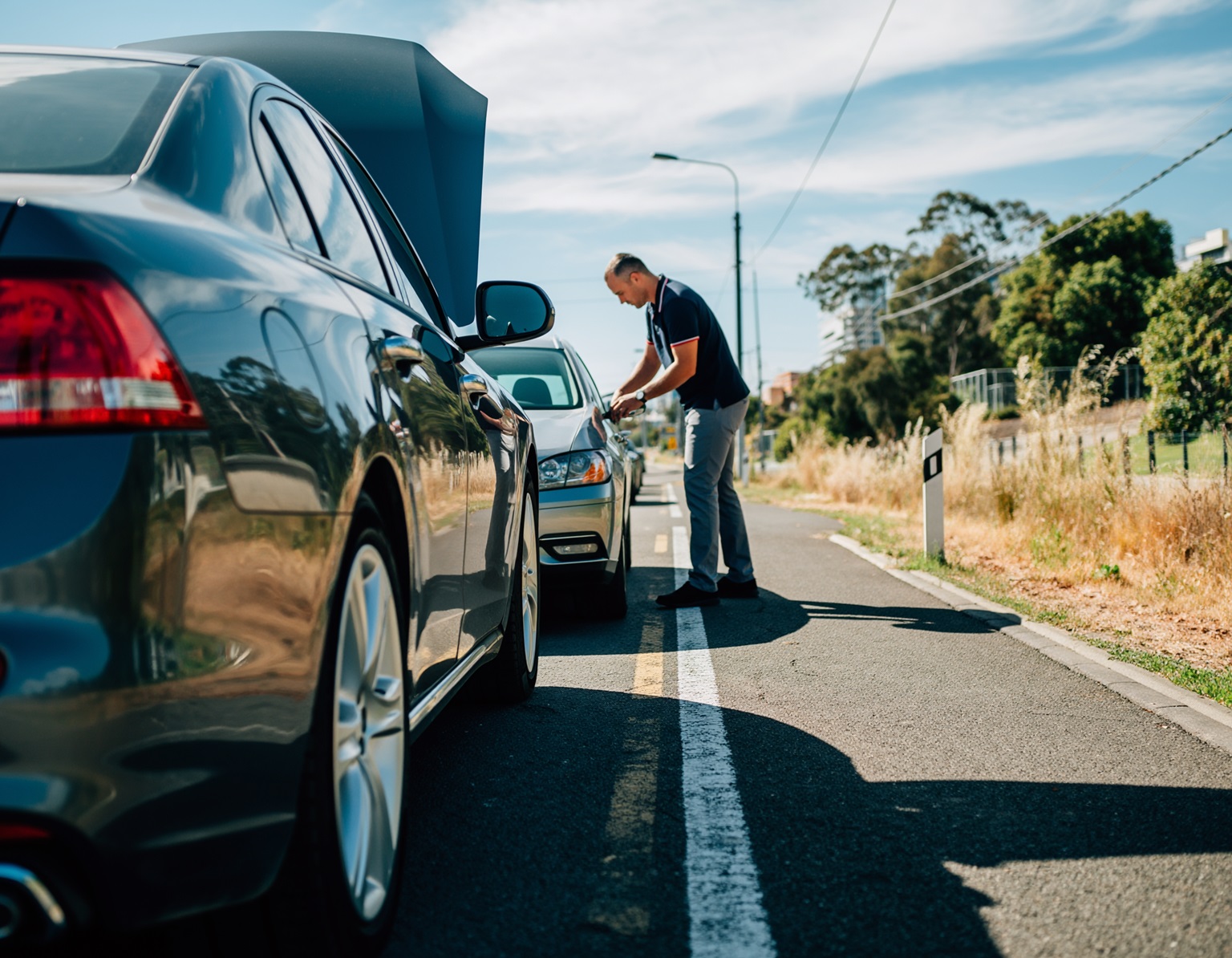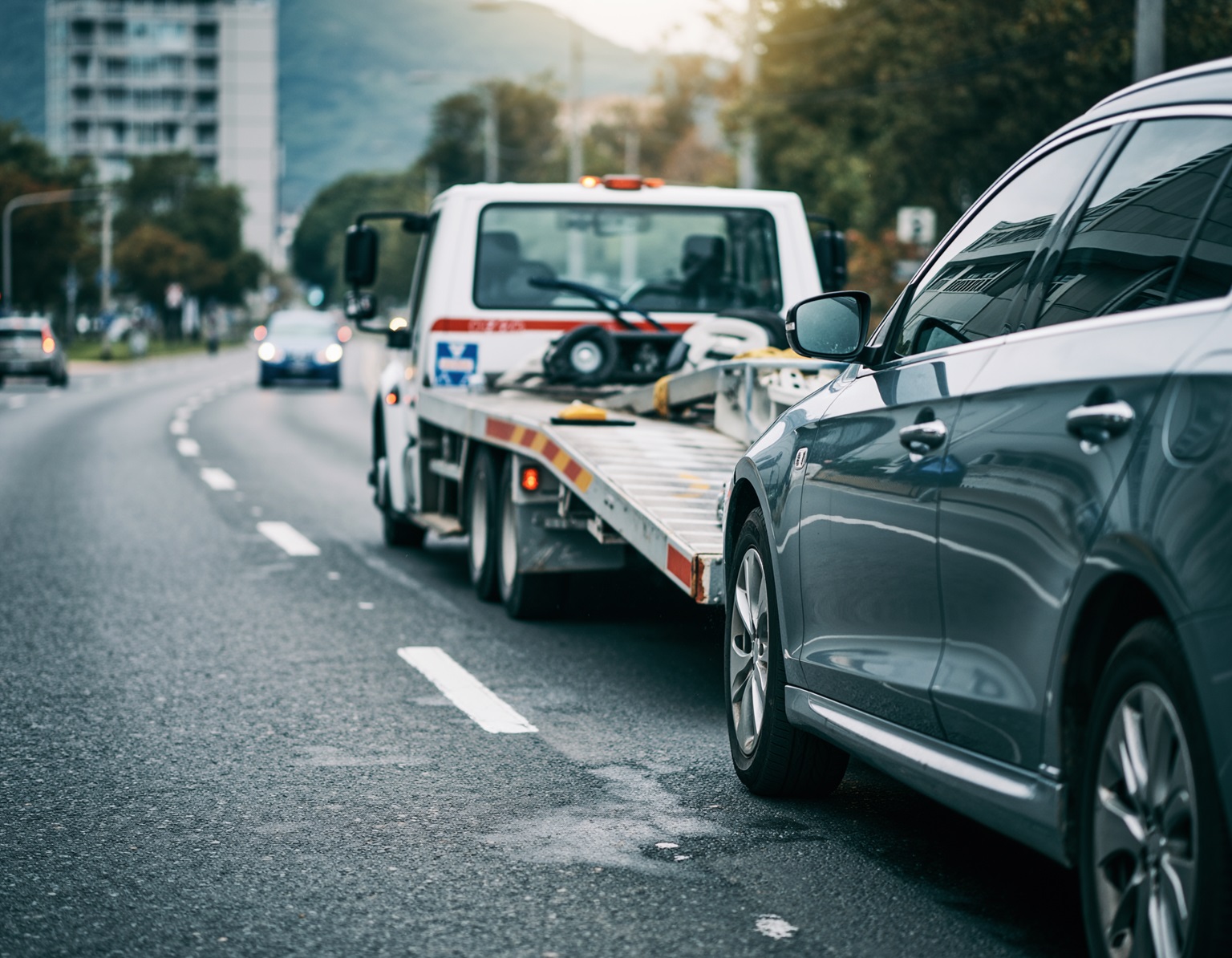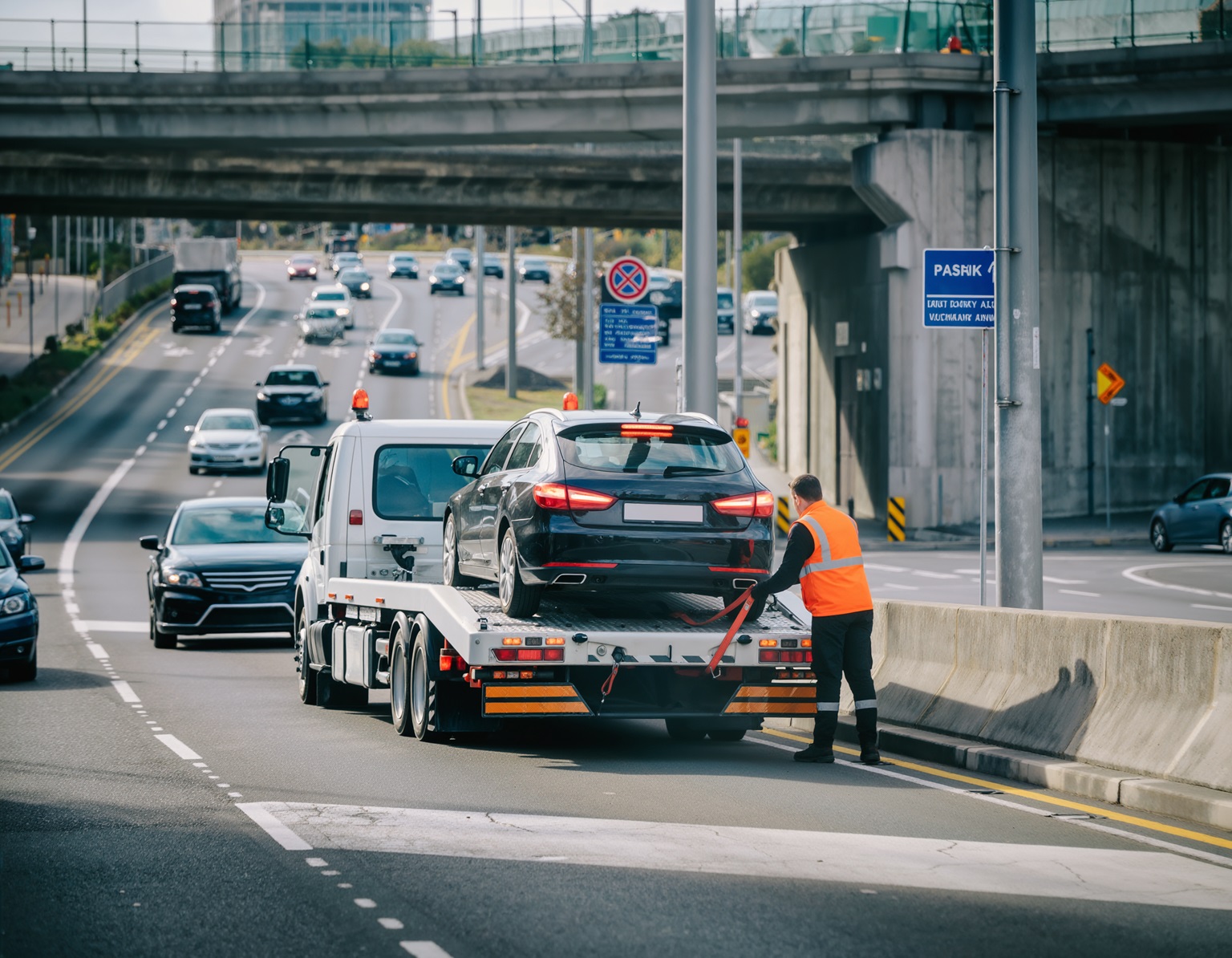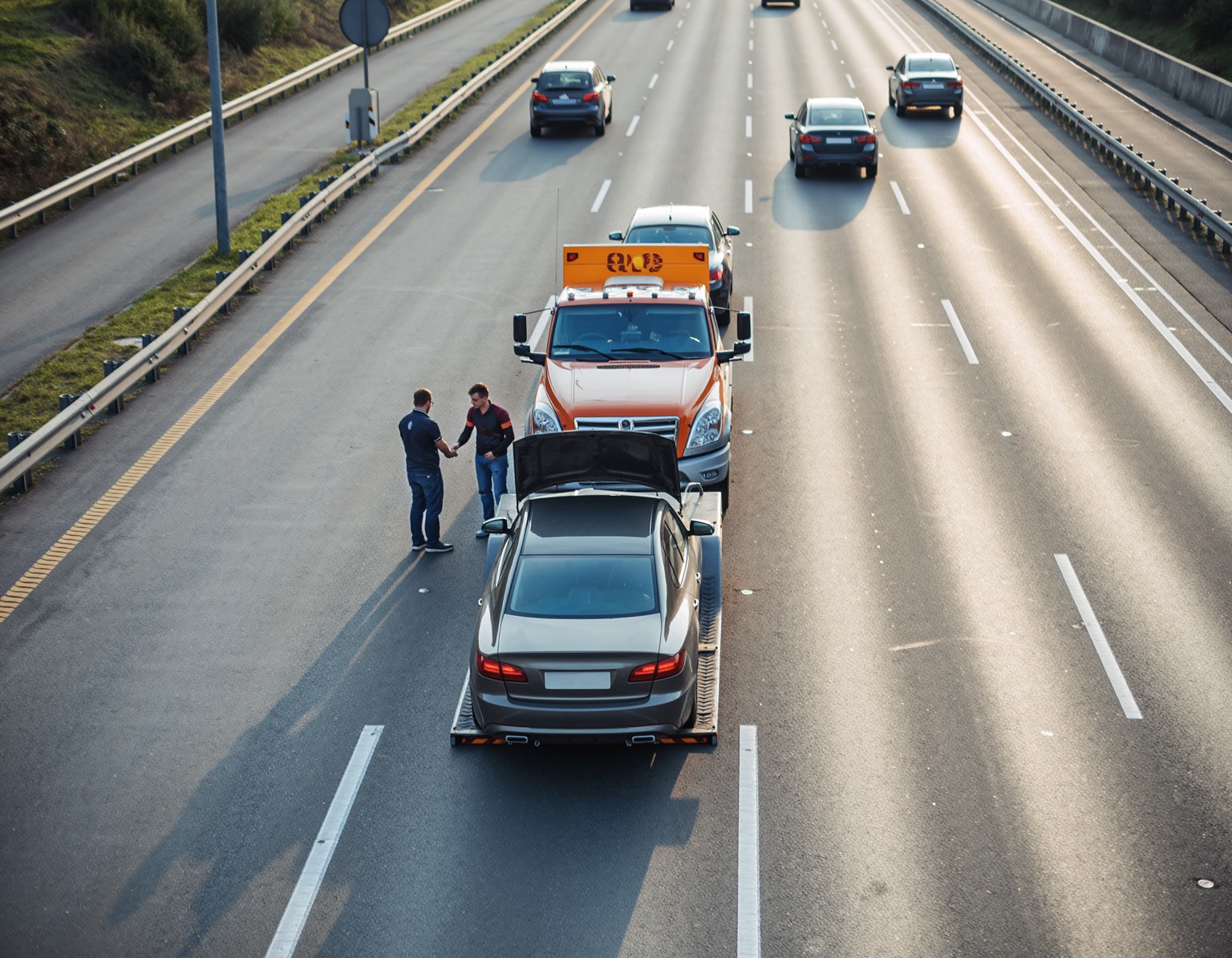
You’ve just been in a crash. Your heart’s racing, your hands are shaking, and suddenly a tow truck pulls up beside you. The driver seems friendly, but you’re not sure what you’re supposed to do. Can you choose your own towing company? Are you required to use whoever arrives first? What if they charge far more than expected?
These questions matter because the decisions you make in those first few minutes can cost hundreds of dollars and a great deal of unnecessary stress. The accident towing laws WA enforces are designed to protect you, but they only help if you know what they are.
Why This Feels Harder Than It Should
When you’re standing on the side of Mitchell Freeway with a crumpled bonnet and cars flying past, you’re not exactly in the best state of mind to negotiate towing fees or assert legal rights. You’re vulnerable, and unfortunately, some operators know it.
That’s why Western Australia introduced stricter accident towing regulations. The law recognises that after a crash, people are stressed, shaken, and often not thinking clearly. It’s easy to feel pressured into making decisions that might not be in your best interest.
Not every tow truck operator who appears at a crash scene has the right intentions. Some are professional and licensed, while others are what the industry calls “chasers” – uninvited operators who monitor police scanners and race to accident scenes hoping to secure a tow before you’ve had a chance to decide.
Understanding your rights doesn’t mean becoming a legal expert. It just means knowing a few essential protections that prevent you from being taken advantage of. Think of it like keeping your insurance policy number handy – it seems unnecessary until the moment you need it.
What Accident Towing Laws WA Actually Say
WA’s accident towing regulations fall under the Tow Truck Act 1998 and related rules. These aren’t suggestions – they’re legally binding requirements that all licensed operators must follow.
Here’s what you should know:
- You have the right to choose your own towing company. Unless your vehicle poses an immediate danger or is blocking traffic, you can select whichever licensed company you prefer.
- Police can authorise towing only for safety reasons. If your vehicle must be moved urgently, officers may engage a tow truck from a police-approved roster. Even then, fees are capped at regulated rates.
- Tow truck operators must be licensed. Their licence number must be clearly displayed on the vehicle.
- You must receive a written quote before towing (except in emergencies). This quote must include towing fees, storage fees, and how long the vehicle will be stored.
- Fee limits exist. The Department of Transport reviews maximum towing and storage fees periodically to prevent overcharging.
These rules exist for your protection. They ensure transparency, fair pricing, and accountability across the accident towing industry.
The Guilt You’re Probably Feeling (And Why It’s Misplaced)
When a tow truck driver shows up and starts being helpful – setting out safety triangles, offering to call someone for you – it can feel rude to decline. You might think you’re being ungrateful or difficult.
But that’s exactly the situation many unethical operators exploit.
Legitimate, professional drivers understand and respect your right to choose. If you politely say, “Thanks for stopping, but I’ve already arranged my own towing,” they’ll accept it and move on.
If they pressure you, become pushy, or claim you have no choice, that’s a clear red flag. You’re not being awkward by standing your ground – you’re being smart and protecting yourself.
It’s common for drivers on Wanneroo Road or Reid Highway to hear, “You have to use me because I got here first.” That’s false. Under the accident towing laws WA enforces, you can choose whoever you want – even your insurer’s preferred provider or a trusted company you call yourself.
When You Actually Don’t Get to Choose
There are only a few circumstances where your vehicle can be towed without your consent.
If your vehicle is causing a hazard – blocking traffic, leaking fuel, or posing danger – police can authorise an immediate removal. In these cases, the tow truck comes from an approved roster managed under the Department of Transport’s accident towing scheme.
When that happens, you’ll be given documentation showing:
- The tow truck operator’s details
- Authorisation for the removal
- The towing and storage fees
These operators are licensed, vetted, and must follow capped fee structures.
Vehicles can also be towed without consent if they’re illegally parked, abandoned, or involved in a criminal investigation. However, these are separate from standard accident towing rules.
If police haven’t specifically authorised removal and your car isn’t a hazard, you decide who tows it. Take your time, make calls, and don’t rush your decision.
What You Should Do Right After a Crash
Your priority is always safety.
- Move to a safe area if possible and check for injuries. Call 000 if anyone needs medical help.
- If the vehicles are blocking traffic and drivable, move them off the road.
- Once safe, think about towing. Don’t let anyone pressure you into quick decisions.
- Contact your insurer first. Many comprehensive policies include accident towing, and your insurer will arrange everything with licensed operators.
- If you’re paying privately, call a trusted company yourself.
At All Out Towing, we respond to accident scenes across Perth and the northern suburbs. We always respect your right to choose, provide transparent quotes, and clearly explain storage fees before towing your vehicle.
Before any tow begins, make sure to:
- Request a written quote
- Check the operator’s licence number on the truck
- Ask where the vehicle will be taken and what storage costs apply
Please take photos of your vehicle before it’s towed to record its condition. This protects you in case of later disputes.
Storage Fees – The Hidden Cost Nobody Warns You About
Once your vehicle is towed, storage fees often start accumulating immediately. While licensed operators must tell you about these charges, they can be easy to overlook in the chaos after an accident.
You might agree to a $150 tow, only to learn later that storage costs $40 per day. If your car sits for two weeks awaiting insurance assessment, that’s another $560 in fees.
You can reduce costs by:
- Arranging immediate delivery to a repairer instead of a storage yard
- Asking your insurer to assess the vehicle as soon as possible
- Confirming whether the first 24 hours of storage are free
Some reputable operators include a short grace period; others charge from the moment the vehicle arrives. Always clarify before signing.
The Scams You Need to Watch For
Most operators in WA are ethical professionals. However, a few bad actors still exist. Here are the most common scams:
- Scanner chasers: Unauthorised operators who race to crash scenes after hearing radio calls, pretending to be “official.”
- Inflated quotes: A low price is quoted on-site, but the final bill includes “extra” fees for after-hours work or admin costs.
- Holding vehicles hostage: Operators refusing to release vehicles until inflated fees are paid.
If you suspect overcharging or unlicensed behaviour, you can report it to the Department of Transport. Complaints are taken seriously, and licences can be suspended for misconduct.
In our experience at All Out Towing, honesty and transparency are non-negotiable. Every customer deserves fair treatment and full understanding of their costs.
Your Insurance Company’s Role
If you have comprehensive car insurance, towing after an accident is usually covered. Your insurer will arrange a licensed tow truck and pay the operator directly. This removes the risk of unexpected fees.
Your insurer will tell you where the vehicle should go – either to an assessment centre or directly to a repairer.
Even if you’ve already arranged a tow yourself, keep receipts and documentation. In many cases, you can claim reimbursement later as long as the fees are reasonable and related to the accident.
If you only have third-party insurance, towing costs aren’t covered under your policy, but if the accident wasn’t your fault, you may claim them from the at-fault driver’s insurer.
Understanding Storage, Fees, and Authorisation
Under WA’s accident towing framework:
- All fees must be disclosed in writing before towing (unless an emergency).
- Storage facilities must be secure and accessible for inspections.
- Police-authorised tows follow set rates.
- Private tows must still meet licence conditions and fair-pricing standards.
If you’re unsure what a fair rate is, contact your insurer or a trusted provider like All Out Towing’s professional accident towing team for clarity before agreeing to anything.
Start Here, Not With Perfection
You don’t need to memorise every detail of WA’s towing laws. You just need to remember a few core rules that protect you:
- You have the right to choose your towing company.
- Police can only authorise a tow for safety reasons.
- Written quotes are required before towing.
- All operators must hold a valid tow truck licence.
- Storage fees must be reasonable and clearly explained.
Keep the number of a trusted provider saved in your phone now, not after a crash. When something happens, you’ll know who to call without second-guessing.
At All Out Towing, we’ve helped thousands of Perth drivers recover safely after collisions. We provide clear pricing, quick response times, and complete respect for your rights. For urgent situations, you can rely on our 24-hour emergency towing to get you and your vehicle to safety.
If you need immediate help or advice about your towing options, get in touch with our team.
Knowing your rights under accident towing laws WA enforces helps you make calm, confident decisions when it matters most. These laws exist to protect you – but only work if you use them.