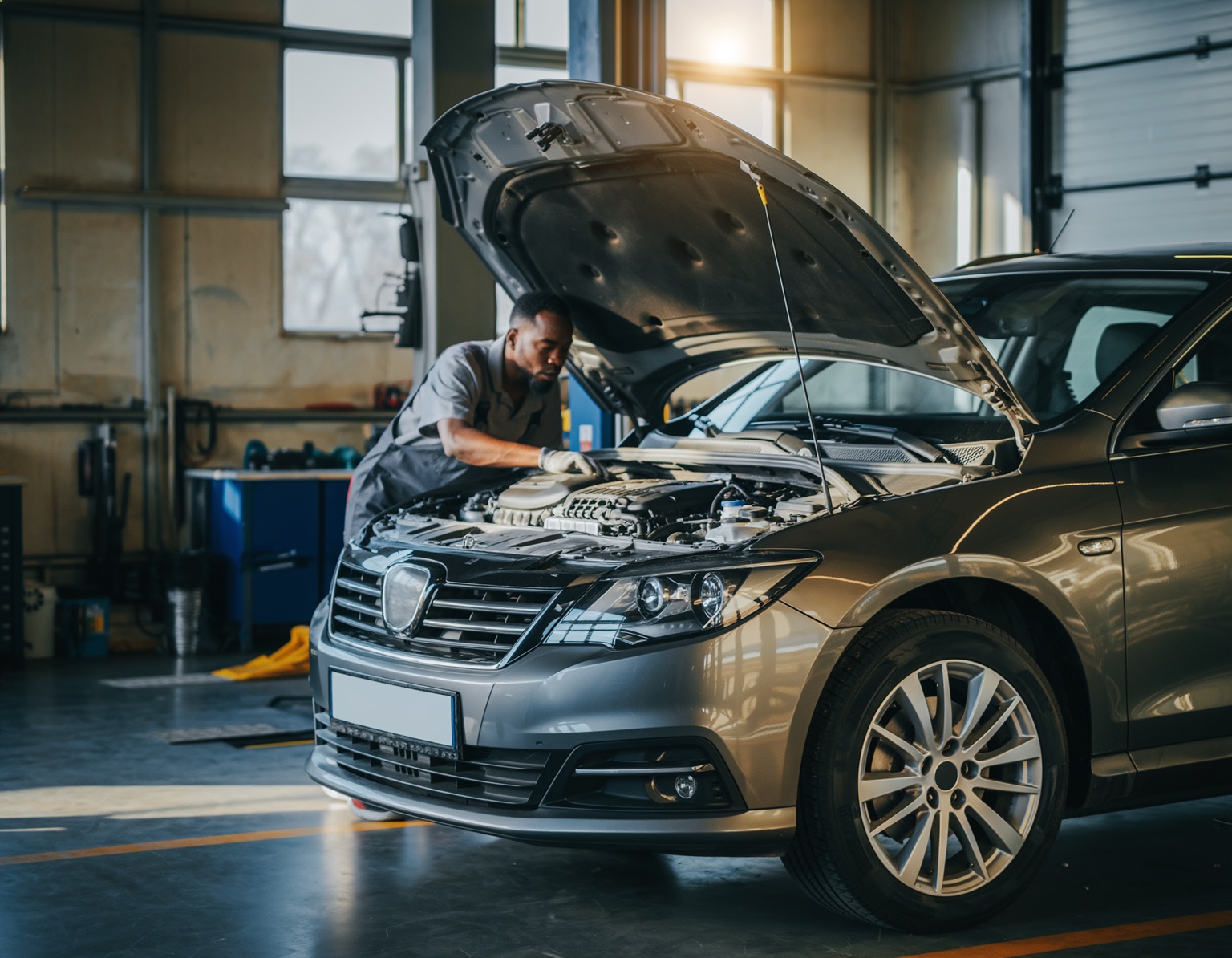
You’re driving along Mitchell Freeway on a 40-degree day when your temperature gauge suddenly spikes. That sinking feeling hits your stomach because you know what’s coming next: steam, a breakdown, and a long wait on the side of the road. Most of these breakdowns didn’t need to happen, and following basic car maintenance tips WA drivers rely on could’ve prevented them entirely.
The frustration isn’t just about being stuck. It’s about the plans you’ve ruined, the money you’ll spend, and that nagging thought that maybe you should’ve checked something last week. Between work, family, and everything else demanding your attention, car maintenance slips down the list until something goes wrong. That’s completely understandable, but it’s also fixable with less effort than you think.
Why WA Conditions Make These Car Maintenance Tips WA Essential
Our roads are brutal on vehicles in ways that drivers from other states don’t fully appreciate. The heat alone puts massive stress on every system in your car, from your battery to your tyres. Add in the long distances between towns once you head north or east, and a minor issue can become a genuine safety concern fast.
Consider a family’s Commodore that broke down on the Great Northern Highway near Muchea. The radiator had cracked, but a small leak got ignored for weeks because it seemed minor. By the time they were heading to Geraldton for the school holidays, the engine had overheated so badly it needed a complete rebuild. A $200 radiator repair became a $6,000 nightmare because the warning signs got dismissed.
The other factor that catches people out is dust. If you’ve driven around the Northern Suburbs or ventured onto any unsealed roads, you know how quickly that fine WA dust gets into everything. Your air filter, cabin filter, and even your brakes cop a hiding that requires more frequent attention than the standard service schedule suggests.
Check Your Fluids Monthly
This sounds basic, but most breakdowns involve something running dry that shouldn’t have been. Your engine oil, coolant, brake fluid, power steering fluid, and windscreen washer fluid all need regular checks, not just when a warning light appears.
Engine oil is your car’s lifeblood. Pull the dipstick when the engine’s cold, wipe it clean, dip it again, and check the level sits between the minimum and maximum marks. If it’s low, top it up with the correct grade. If you’re burning through oil quickly, that’s a sign that something’s wrong that needs professional attention.
Coolant levels drop over time, especially in our heat. Check the overflow reservoir when the engine’s completely cold – never open a radiator cap on a hot engine unless you fancy a trip to the burns unit. The coolant should be between the minimum and maximum lines, and it should look clean, not rusty or murky.
Brake fluid sits in a small reservoir near the back of the engine bay. If the level’s dropped significantly, your brake pads might be worn, or you could leak. Either way, it’s worth getting checked before you need to stop suddenly on Wanneroo Road during peak hour.
Your car’s like your body – it’ll tell you when something’s wrong if you’re paying attention. Low fluids are usually the first whisper before things start shouting. These car maintenance tips WA conditions demand are simple but effective.
Your Battery Won’t Warn You Nicely
Batteries are sneaky. They’ll work perfectly fine until one morning they just don’t, leaving you stranded in your driveway or, worse, in a shopping centre car park in Joondalup. WA’s heat absolutely destroys batteries, shortening their lifespan significantly compared to cooler climates.
Most batteries last three to five years here, but that’s optimistic if you’re doing lots of short trips or leaving your car parked for long periods. Check the terminals regularly for corrosion – that white or blue-green crusty stuff that builds up around the connections. Clean it off with a wire brush and a mix of bicarb soda and water, then make sure the connections are tight.
If your car’s struggling to start, taking longer to turn over, or the lights are dimming when you start the engine, your battery’s probably on its way out. Get it tested before it fails. Most auto shops will test it for free, and it’s worth doing before summer hits every year.
Battery failures are widespread. Drivers always say the same thing: “It was fine yesterday.” That’s how batteries work – they’re fine until they’re not. If yours is over three years old, consider it on borrowed time and plan accordingly. If your battery does fail, our 24-hour emergency towing can get you moving again quickly.
Tyre Pressure and Condition Matter More Than You Think
Your tyres are the only thing between your car and the road, yet they’re one of the most neglected maintenance items. Incorrect tyre pressure causes uneven wear, reduces fuel efficiency, affects handling, and increases your risk of a blowout – especially on hot bitumen.
Check your tyre pressure monthly when the tyres are cold. The correct pressure is listed on a sticker inside your driver’s door frame or in your owner’s manual. Under-inflated tyres flex more, generating heat that can lead to failure. Over-inflated tyres reduce your contact patch with the road, affecting braking and cornering.
While you’re checking pressure, inspect the tread depth. Stick a 20-cent coin into the tread grooves – if you can see the platypus’s bill, your tyres are getting dangerously worn and need replacing. Also look for uneven wear patterns, cracks in the sidewall, or any bulges that suggest internal damage.
Rotating your tyres every 10,000 kilometres helps them wear evenly and last longer. It’s a simple job that most mechanics will do cheaply during a service. Given how expensive tyres are now, anything that extends their life is worth doing.
Tyre blowouts on highways are dangerous and preventable. One incident involved a ute that blew a front tyre on Tonkin Highway. The driver was lucky – he kept control and pulled over safely. When the other tyres were inspected, they were all worn down to the legal limit with visible cracks. Don’t let preventable tyre issues ruin your trip or put your family at risk.
Air Filters Need Attention in Dusty Conditions
Your engine air filter stops dust and debris from entering your engine. When it’s clogged, your engine struggles to breathe, reducing performance and fuel efficiency. In WA’s dusty conditions, especially if you’ve been on unsealed roads or driving around construction areas, your air filter gets dirtier faster than the standard service interval accounts for.
Checking it is simple. Pop the bonnet, locate the air filter housing, unclip it, and pull out the filter. Hold it up to the light – if you can’t see light through it, it’s too dirty and needs replacing. Even if you can see some light, give it a tap on the ground. If clouds of dust come out, it’s overdue for a change.
A new air filter costs between $20 and $50 and takes five minutes to install. It’s one of the most manageable maintenance tasks you can do yourself, and it makes a noticeable difference to how your car runs. Fresh air means better combustion, which means better performance and economy.
Your cabin air filter is separate and cleans the air coming into your car’s interior. When it’s clogged, your air conditioning struggles, and you’ll notice reduced airflow from the vents. Replacing it means cleaner air for you and better cooling performance.
Don’t Ignore Warning Lights or Strange Noises
That little orange engine light on your dashboard isn’t a suggestion – it’s your car telling you something needs attention. Ignoring it because the car still drives fine is like ignoring chest pain because you can still walk. Sometimes you’ll get away with it, but sometimes you won’t.
Modern cars have dozens of sensors monitoring everything from oxygen levels in the exhaust to wheel speed for the ABS. When something falls outside normal parameters, a warning light appears. Get it checked with a diagnostic scanner to find out what’s triggering it.
Strange noises are equally important. Squealing when you brake usually means your brake pads are worn. Grinding means you’ve worn through the pads completely. Clicking when you turn suggests CV joint problems. Rattling from under the car could be a loose heat shield or something more serious with your exhaust or suspension.
You know how your car sounds typically and feels. When something changes, pay attention. Many breakdowns involve drivers who admitted they’d been hearing a noise for weeks but kept putting off getting it checked. By the time the car actually broke down, what could’ve been a simple fix had become a primary repair job.
If you’re unsure whether something’s normal, it’s worth getting a professional opinion. At All Out Towing, we’ve seen every type of breakdown imaginable, and we’d always rather help you prevent one than rescue you from one.
Service Your Car on Schedule
Your manufacturer’s service schedule exists for good reasons. Regular servicing catches problems before they become breakdowns, keeps your warranty valid, and maintains your car’s resale value. Skipping services to save money is a false economy that usually costs you more in the long run.
A standard service includes an oil and filter change, fluid level checks, brake inspection, and a general once-over of your car’s condition. The mechanic will spot things you’d miss – a perishing belt, a weeping seal, brake pads getting low – and you can plan to fix them before they fail.
Oil changes are significant. Engine oil breaks down over time and with heat, losing its ability to lubricate and protect your engine. Running old, degraded oil increases engine wear and can lead to catastrophic failure. The few hundred dollars you save by extending your oil change interval could cost you thousands in engine repairs.
Keep your service records. If you ever sell your car, a complete service history significantly increases its value. It also helps mechanics diagnose problems by showing what’s been done and when.
What to Keep in Your Car
Even with perfect maintenance, things can still go wrong. Having basic supplies in your car means you can handle minor issues yourself or at least stay safe while waiting for help.
A basic emergency kit should include:
- Spare tyre, jack, and wheel brace
- Jumper leads or a portable jump starter
- Tyre pressure gauge and 12V air compressor
- Basic tools: screwdrivers, pliers, adjustable spanner
- Torch with spare batteries
- First aid kit
- Water for drinking and for the radiator
- Phone charger
- High-visibility vest
- Warning triangle or hazard lights
If you’re heading regional, add extra water, non-perishable food, a blanket, and a detailed map.
Many breakdowns involve people who didn’t have a spare tyre, or their spare was flat. Check your spare’s pressure every few months – there’s nothing more frustrating than finally getting your car jacked up only to discover your spare’s useless.
The Guilt You’re Probably Feeling
If you’re reading this, thinking about all the maintenance you’ve been putting off, that uncomfortable feeling is normal. Life gets busy, money gets tight, and car maintenance feels like something you can delay until next month.
You’re not irresponsible for not being on top of everything. You’re human, and you’re juggling multiple priorities. But you also know that dealing with a breakdown is more stressful, expensive, and time-consuming than spending an hour checking fluids and tyres.
Start small. You don’t need to tackle everything at once. Check your tyre pressure this weekend. Look at your fluids next week. Book a service for next month. Small actions compound over time, and even basic car maintenance tips WA drivers follow dramatically reduce their breakdown risk.
When Prevention Isn’t Enough
Despite your best efforts, breakdowns still happen. A kangaroo jumps out, you hit something on the road, or a component fails without warning. When that happens, you need help fast, especially if you’re stuck somewhere unsafe or in extreme weather.
That’s where professional roadside assistance becomes essential. Whether it’s a flat battery, a blown tyre you can’t change yourself, or a mechanical failure that’s left you stranded, having someone you can call who’ll actually show up quickly makes an enormous difference.
We’ve helped thousands of WA drivers get back on the road or safely towed to a mechanic when that wasn’t possible. If you’re stuck on the side of the road and need help, get in touch with our 24/7 t,eam and we’ll get to you as quickly as we can.
For flat batteries, tyre issues, or fuel problems, you can rely on our roadside assistance to get you going again. And if your breakdown involves damage or a collision, our accident towing ensures your vehicle is handled safely and professionally.
Start Here, Not With Perfection
You don’t need to become a mechanic or spend every weekend under your bonnet. You need to do the basics consistently. Check your fluids monthly. Keep your tyres properly inflated. Pay attention to warning lights and unusual noises. Service your car on schedule.
Think of car maintenance like brushing your teeth. Nobody enjoys it, but everyone does it because the alternative is worse. Ten minutes a month checking your car prevents hours of stress and hundreds or thousands of dollars in breakdown costs.
The next time you’re filling up with fuel, take an extra five minutes to walk around your car. Check your tyres for apparent damage or low pressure. Pop the bonnet and glance at your fluid levels. It’s not exciting, but neither is being stuck on Tonkin Highway in 38-degree heat waiting for a tow truck.
Your car’s asking for very little – just regular attention to some basic needs. Give it that, and it’ll reliably get you where you need to go. Neglect it, and it’ll eventually let you know in the most inconvenient way possible.
Following these essential car maintenance tip,s WA road conditions demand doesn’t require expertise – just consistency. The choice is yours, but consistent basic maintenance leads to fewer headaches, lower costs, and safer journeys across this beautiful but challenging state.