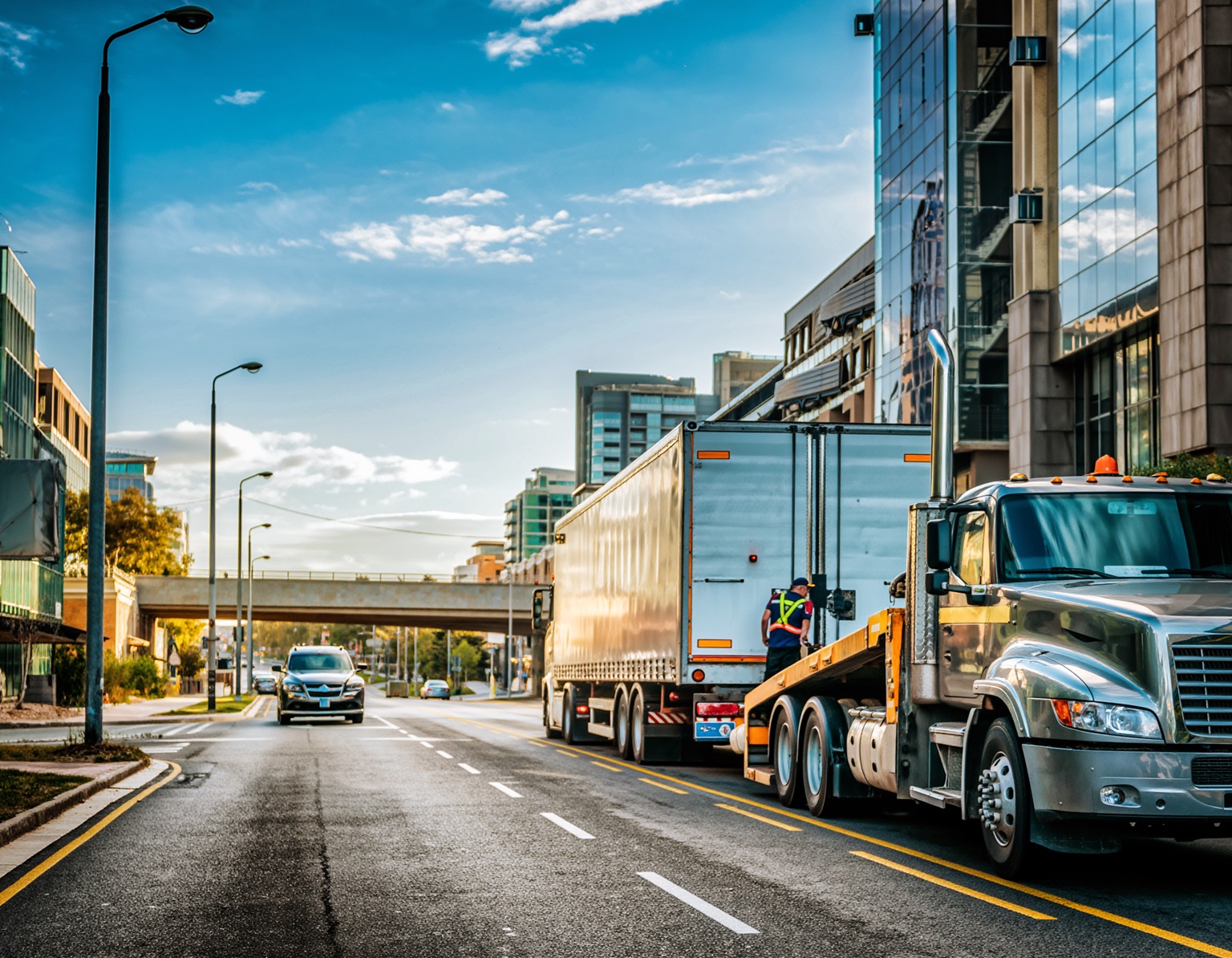
Moving a heavy vehicle or truck is not like hooking up a sedan and heading down the road. The stakes are higher, the equipment must be precise, and one poor call can turn an already stressful situation into a costly problem. Whether you are facing a breakdown on the Great Eastern Highway or a truck that has stopped in an industrial estate, understanding what goes into heavy vehicle towing Perth can save you time, money, and frustration.
Weight Capacity Is Not Just a Number
Not every tow truck can handle every truck. The recovery vehicle’s capacity must match or exceed what you are towing, and this requires proper calculation.
Why Weight Accuracy Matters
A truck’s Gross Vehicle Mass (GVM) is only the start. You must factor in load weight, fuel, modifications, and how that weight sits across axles. One miscalculation can lead to unsafe towing and mechanical strain. A 10-tonne vehicle carrying extra equipment may easily exceed safe towing limits.
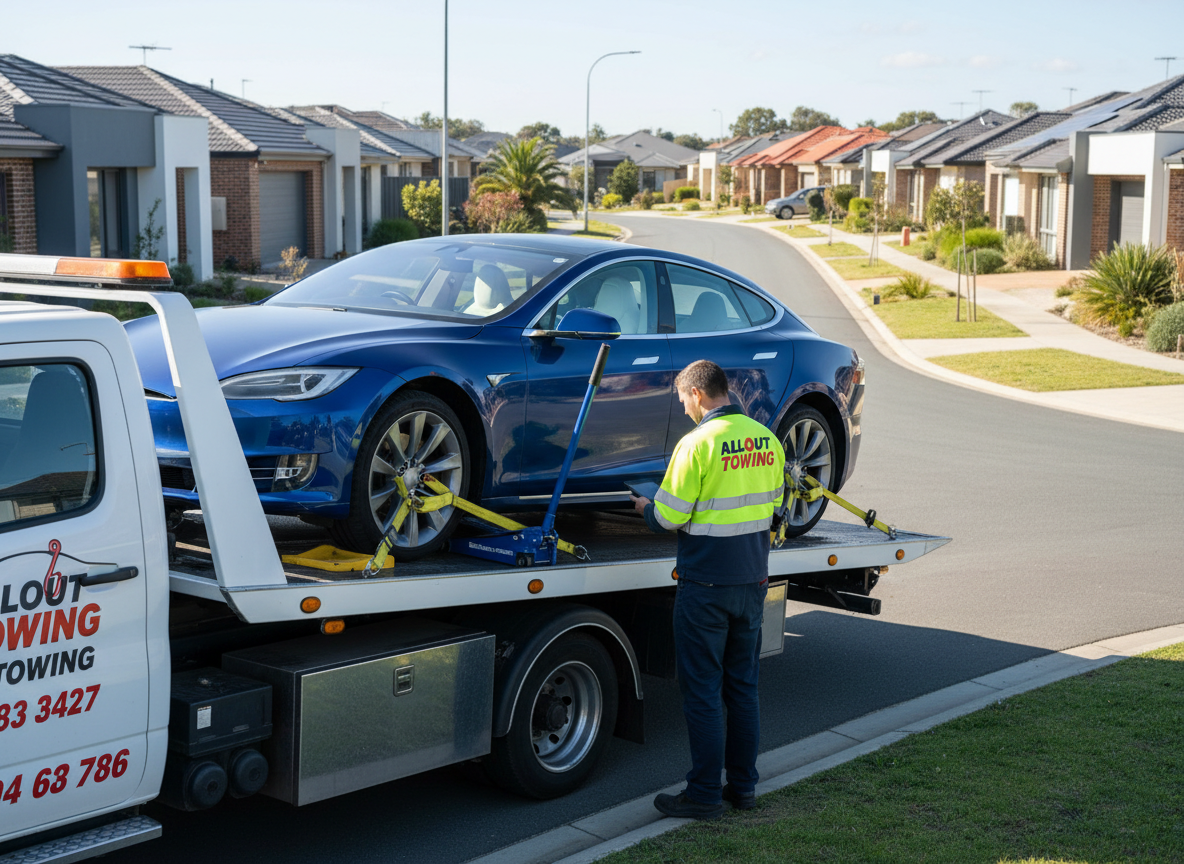
Professional truck towing Perth operators understand this. They use heavy-duty tilt trays, multi-axle recovery trucks, and hydraulic systems built to control loads weighing as much as a small house. Before dispatching, a professional operator will ask detailed questions about your truck’s specifications. If they do not, that is a warning sign.
Overloading damages both the recovery and the towed vehicles, risks fines, and may void your insurance. Main Roads Western Australia enforces strict towing and weight regulations for good reason: safety for everyone on the road.
The Right Equipment Makes or Breaks the Job
Proper recovery equipment determines whether a tow runs smoothly or becomes a hazard.
Different Scenarios, Different Tools
A mechanical failure on flat ground may only need a tilt tray. But a prime mover stuck in sand or a vehicle with failed air brakes requires underlift systems, dollies, or specialised rigging. Using the wrong setup risks damage to transmissions, steering systems, or body frames.
A trusted operator uses:
- High-capacity winches (20,000+ pounds)
- Load binders and stabilisers
- Protective padding for bodywork
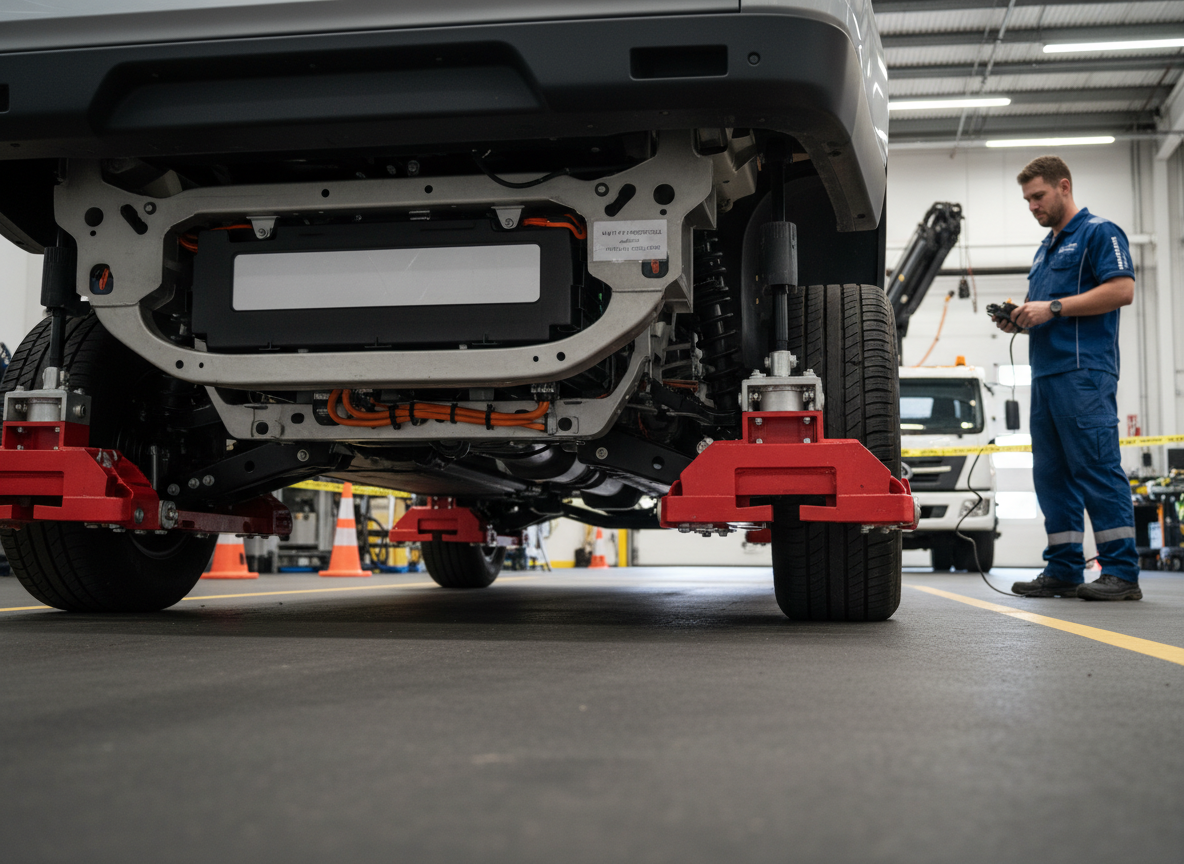
- Hydraulic lift systems for control and balance
The right equipment ensures the job stays safe for everyone on-site.
Location and Access Can Complicate Everything
Where a breakdown happens often matters more than what broke.
Understand the Site Before Committing
A stranded truck on Tonkin Highway is a very different job from one stuck in a narrow warehouse yard. Perth’s network includes tight industrial zones like Welshpool and Malaga where space is limited, as well as soft verges on rural roads that cannot support recovery vehicles.
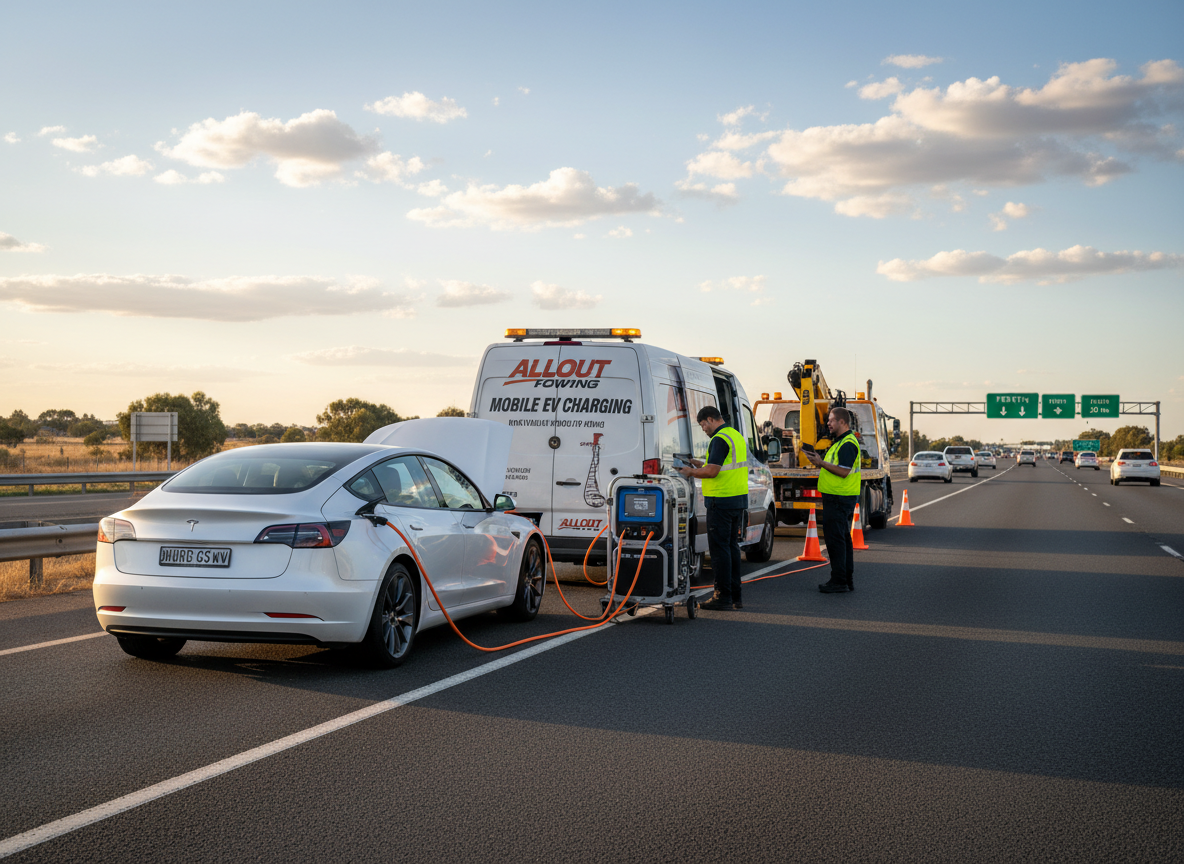
Professional towing operators assess access, turning clearance, and surface strength before committing to a recovery method. They might need to plan for:
- Traffic management
- Road closures or permits
- Use of smaller vehicles to reposition loads safely
Clear photos of the scene and details about surroundings make a world of difference. Experienced operators arrive with the right plan and equipment on the first attempt.
Compliance and Documentation Are Non-Negotiable
Heavy vehicle towing is not just about lifting and moving. It is also about following legal and insurance protocols.
Regulations and Proof
The Department of Transport Western Australia sets clear rules for moving heavy and oversized vehicles. Permits, escort vehicles, and route approvals may be required. Operators must display proper signage and follow authorised routes.
Insurance is another layer. Always confirm that your towing provider carries:
- Public liability insurance for heavy vehicles
- On-hook and transit coverage
- Documentation for vehicle condition before and after transport
Professional heavy vehicle towing Perth operators automatically record damage reports, take photos, and provide digital logs. This protects your business and confirms full compliance for insurance claims.
Cost, Time, and Choosing the Right Partner
Heavy vehicle recovery pricing varies widely, and stress often leads to hasty decisions.
Smart Questions to Ask
Before booking, confirm:
- Callout and kilometre rates
- After-hours or weekend surcharges
- Waiting time and specialised equipment fees
An experienced company will explain its rates clearly and flag variable costs upfront. Taking an extra twenty minutes to find the right operator is far better than paying thousands to fix mistakes from the wrong one.
Time pressure makes it tempting to grab the first available option, especially when blocking lanes or loading bays. But an under-equipped operator will only cause more damage and delays. If your vehicle poses a road hazard, contact Main Roads or WA Police for traffic control while you arrange a qualified recovery.
What Happens After the Tow
The job does not end once the truck is loaded. A professional operator coordinates delivery to repair shops, depots, or storage yards and ensures secure handover.
Next Steps and Best Practice
- Confirm who will receive the truck
- Collect a detailed service report and images
- Request repair recommendations if you are out of area
- Consider secure storage options if repairs will be delayed
For accident or insurance cases, keep documentation such as condition photos, callout forms, and invoices. These records are essential for claims and damage verification.
Building a Reliable Recovery Plan
Most fleet operators wait until a breakdown to find a towing service. Building a plan in advance prevents panic during critical situations.
Prepare Before You Need Help
- Keep two or three reliable truck towing Perth operators on record
- Share their details with drivers and dispatchers
- Maintain fleet specs and emergency procedures
- Educate drivers on what details to report during a breakdown
Planning ahead reduces decision fatigue when something goes wrong and ensures faster, safer recoveries.
Why Experience and Partnership Matter
Reliability builds trust. Operators with decades of experience know Perth’s roads, permits, and compliance rules better than anyone. Partnering with a specialist such as All Out Towing ensures every recovery meets professional standards.
Our team provides truck towing services, heavy machinery towing, and 24-hour emergency towing across Perth and regional WA. We handle recoveries large and small, with full insurance, permits, and on-road expertise.
Think of it this way: moving a heavy truck without the right setup is like trying to lift a shipping container with a forklift one size too small. It might rise slightly, but strain will build until something fails. Professional support prevents that risk entirely.
Key Takeaways
- Match capacity to weight. Check the real load, not the estimate.
- Use the correct recovery method. Tilt trays, underlifts, or dollies for different faults.
- Assess location access. Plan for space, permits, and safety.
- Prioritise compliance and insurance. Documentation protects your business.
- Choose experience over speed. Reliable operators prevent costly mistakes.