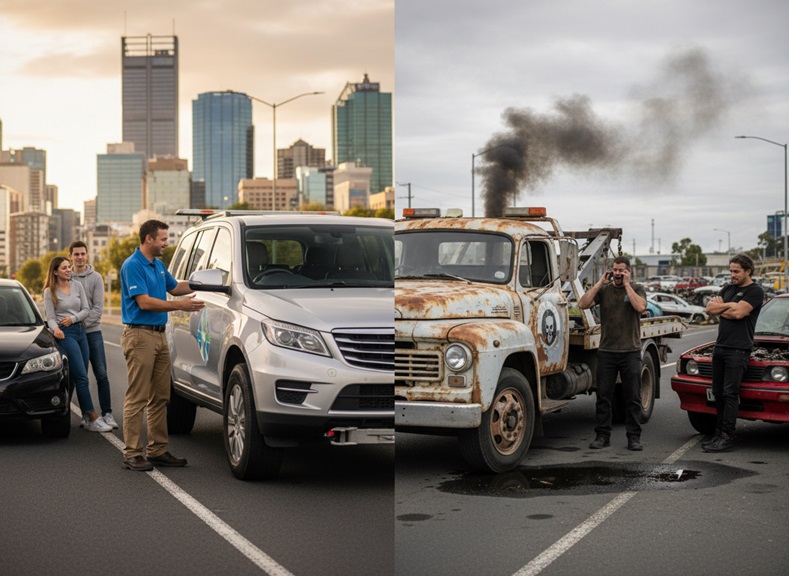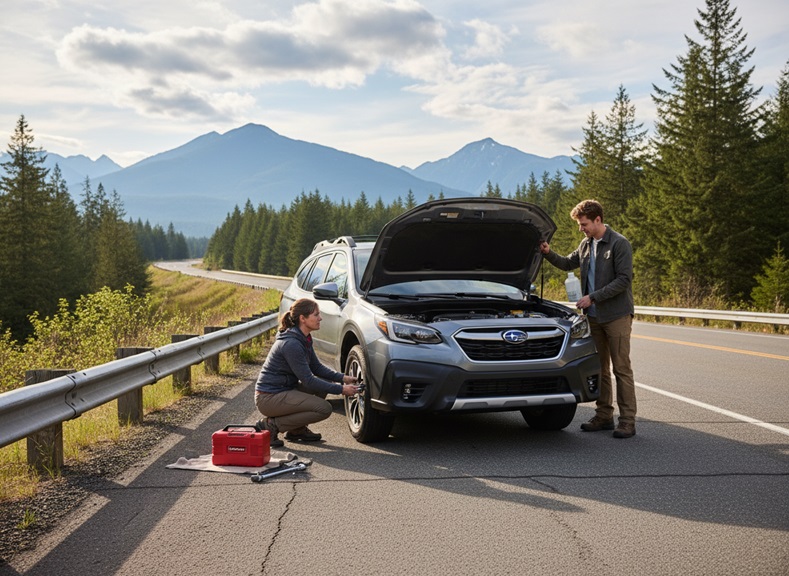
Breakdowns often strike when you least expect them. You’re already running late, traffic’s heavy, and suddenly your car’s temperature gauge spikes or the engine refuses to start. These moments are stressful, expensive, and usually preventable.
Most breakdowns don’t happen because cars are unreliable – they happen because small maintenance tasks get postponed until something fails. The truth is, keeping your car running smoothly in Western Australia doesn’t require mechanical expertise, just consistency.
The car maintenance tips WA drivers need are simple: focus on key checks that matter most in our tough local conditions. Here’s how to prevent breakdowns before they happen.
1. Keep Your Cooling System Healthy
WA’s climate puts enormous strain on engines. High ambient temperatures and long highway runs make your cooling system one of the most important parts of your vehicle.
Check your coolant level when the engine is cold. It should sit between the minimum and maximum marks on the overflow reservoir. If it’s low, top it up with the recommended coolant mix – usually a 50/50 blend of coolant and distilled water, though always check your manual.
Inspect the hoses too. They should feel firm but slightly flexible. If they’re cracked, bulging, or soft, replace them before they fail. A $50 hose replacement can save you thousands in engine repairs.
Dirty or brown coolant means corrosion inside the system, which reduces efficiency and can lead to overheating. A full system flush every two to three years keeps it performing properly.
Tip: Never remove the radiator cap when the engine’s hot – pressure can cause serious burns.
2. Inspect Your Tyres Regularly
Your tyres are the only point of contact with the road, yet they’re often the most neglected. WA roads can be harsh, combining heat, long distances, and rough surfaces that wear tyres faster.
Check tread depth monthly using the 20-cent coin test – if you can see the platypus’s bill, your tread is too low. Aim for at least 3mm for safe grip, especially in wet conditions.
Maintain correct pressure levels, found on the placard inside your driver’s door. Check when tyres are cold and include the spare. Underinflated tyres overheat and wear unevenly; overinflated ones reduce traction.
Also look for cuts, cracks, or bulges. A damaged tyre can fail suddenly at high speeds, creating a dangerous situation on open highways.
3. Monitor Your Battery’s Health
Your battery silently powers everything – until it doesn’t. WA’s extreme heat shortens battery life significantly compared to cooler states.
If you notice slow cranking when starting the engine, it’s a warning sign. Check for corrosion on terminals and ensure clamps are tight. Clean buildup using a baking soda and water solution, then dry thoroughly.
Most batteries last three to five years in WA, but short trips and high accessory use (air conditioning, lights, and charging devices) shorten that lifespan. Many auto shops offer free battery testing; take advantage before summer.
If you’re travelling to remote areas, consider carrying a portable jump starter. They’re small, affordable, and can get you moving again without relying on another vehicle.
4. Change Your Oil on Schedule
Engine oil is your car’s lifeblood. It lubricates, cools, and protects internal components. Ignoring oil changes is one of the quickest ways to damage your engine.
Check the oil level monthly when the engine is cool and the car’s on level ground. The oil should be amber and sit between the dipstick’s markers. If it’s dark, gritty, or milky, it’s time for a change – or a professional check-up.
Your owner’s manual specifies oil change intervals based on driving conditions. In WA, with its dusty environments and long drives, follow the shorter service interval. Regular oil and filter changes are vital for engine longevity and efficient fuel use.
5. Pay Attention to Warning Lights
Those lights on your dashboard aren’t decorative – they’re your car’s early warning system.
The check engine light could mean something minor, like a loose fuel cap, or something serious, like an emissions fault. Either way, get it diagnosed quickly.
If the oil pressure or temperature light appears, stop driving immediately. Pull over safely, switch off the engine, and let it cool before checking fluid levels. Continuing to drive can cause catastrophic damage in minutes.
A battery or charging system warning light usually means your alternator isn’t working properly. You might have 20-30 minutes of battery power left, depending on electrical usage. It’s safer to call for help than to push your luck.
Why WA Roads Are Tougher on Cars
WA’s environment combines long stretches of highway, high summer temperatures, and fine red dust that sneaks into every component. Cooling systems work harder, tyres face higher friction, and fluids break down faster.
Regular vehicle servicing WA drivers rely on – whether at your trusted mechanic or dealership – catches small faults before they cause breakdowns. The key is consistency: routine checks, timely servicing, and addressing warning signs early.
When Maintenance Isn’t Enough
Even the best-maintained vehicles can still fail unexpectedly. A kangaroo on a country road, debris from a truck, or a sudden puncture can leave you stranded.
If that happens, your priority is safety. Move off the road if possible, switch on your hazard lights, and stay belted inside if traffic’s heavy. Standing outside near moving traffic is far riskier than waiting inside the car.
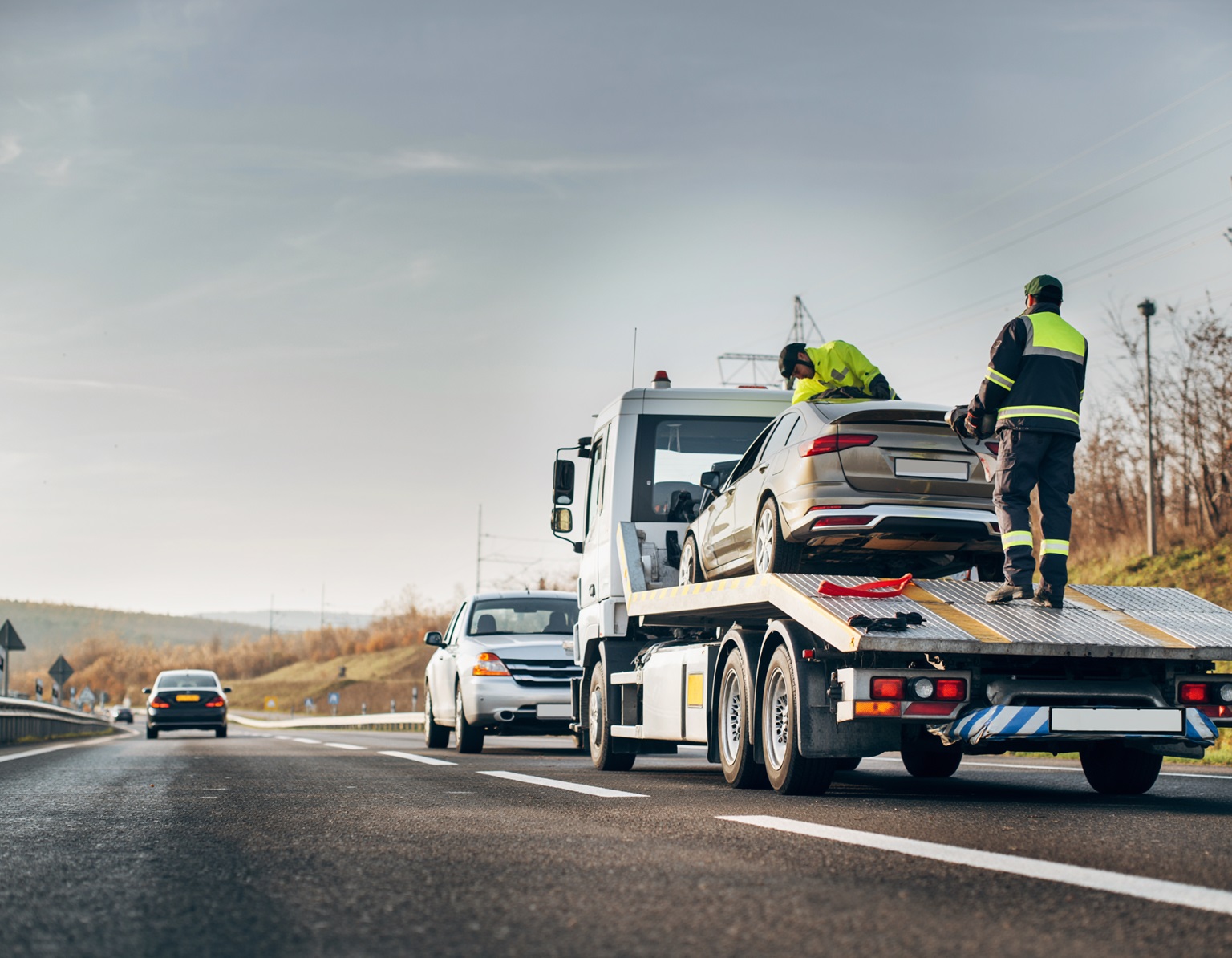
Once you’re safe, call for professional help. All Out Towing provides roadside assistance and 24-hour emergency towing across Perth and regional WA. Our experienced team handles everything from flat batteries and overheated engines to complete vehicle recovery.
If you need reliable towing or urgent help, don’t hesitate to get in touch. We’ll make sure you and your vehicle reach safety without further stress.
The Bottom Line: Prevention Beats Reaction
The simplest checks often save the most money. A two-minute coolant check prevents a seized engine. Monthly tyre pressure checks extend tread life. Changing oil on time keeps your car running smoothly for years.
These car maintenance tips WA drivers can apply take little time but make a huge difference. Combine them with regular vehicle servicing WA schedules, and you’ll drastically reduce the chances of being stuck on the roadside in 40-degree heat.
A little attention today prevents a lot of trouble tomorrow.