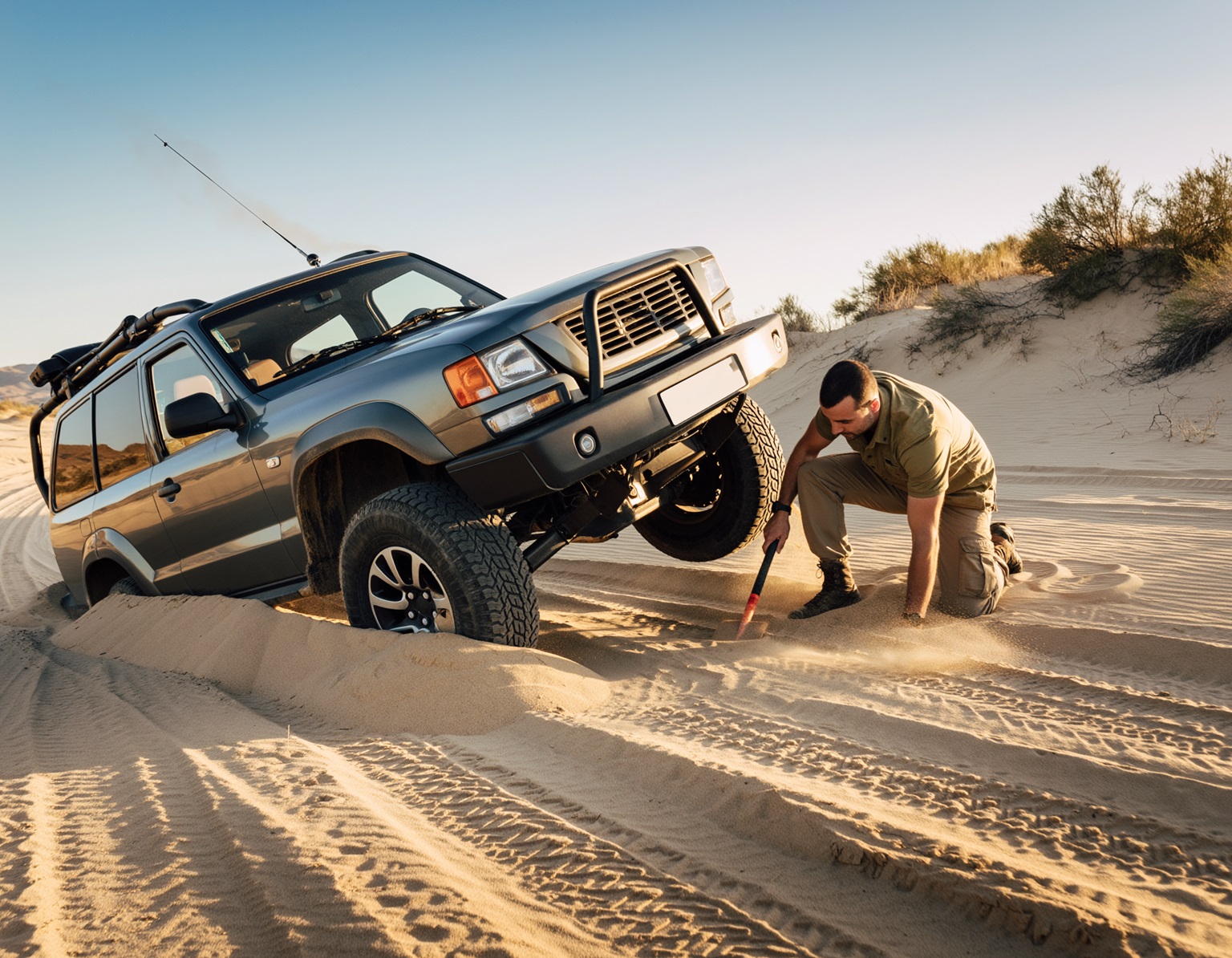
Halfway up a dune near Lancelin, the engine’s revving, the tyres are spinning, and the vehicle is going nowhere. It happens to new and experienced drivers alike. In WA’s soft coastal sand, physics wins. The difference between a quick recovery and a ruined day comes down to what you do in the first few minutes.
Most people press harder on the throttle. That digs you deeper. The trick is to slow down, think clearly, and use 4×4 recovery WA fundamentals that work in local conditions.
Stop Digging Yourself Deeper
The moment momentum fades and wheels begin to spin, stop. Avoid surging forward or snapping into reverse.
Step out and assess:
- Which wheels are buried and how deep.
- Whether the chassis is sitting on the sand.
- Gradient, wind, and firmer ground nearby.
Clear thinking now saves time, effort, and damage later.
Lower Tyre Pressures First
A bigger footprint means more flotation. If you’re only slightly bogged, deflate to increase contact area.
- Beach and dunes: 16 to 18 PSI is common.
- For recovery: drop to 12 to 14 PSI, evenly across all tyres.
- Go lower only with care, as beads can unseat.
Engage low range, select second gear, and apply smooth throttle. If traction returns, maintain gentle momentum. No wheelspin.
Dig Ramps and Add Traction
When pressure alone won’t do it, give the tyres a path up and out.
- Use a shovel to create shallow ramps ahead of the drive wheels.
- Dig away at a low angle to avoid a vertical sand face.
- Pack or smooth the ramp so the tyres can climb.
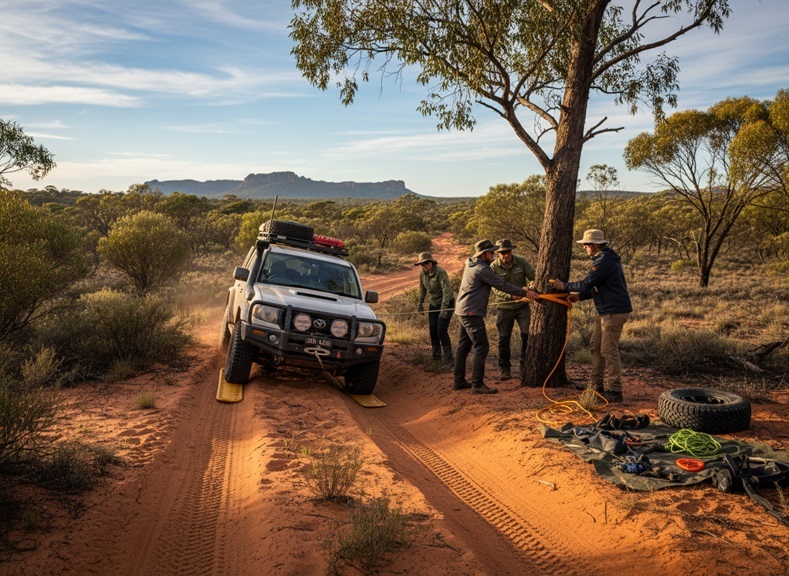
Lay traction boards firmly under the tyres and feed them gently. No boards? Improvise with floor mats or flat timber. Even scrub or seaweed bunches can add bite. Think of it like giving the tread a ladder instead of a hole.
Controlled Snatch Strap Recovery
Too deep for self-recovery? Bring in a second vehicle and use a kinetic strap the right way. This is where safety matters most.
You need:
- Rated snatch strap suited to vehicle mass.
- Rated bow shackles or soft shackles.
- Rated recovery points on both vehicles.
- Recovery damper or heavy blanket on the strap.
Never attach to a tow ball, bumper, or unrated bracket. Align the vehicles straight, agree on hand signals, and clear bystanders. The recovery vehicle takes up slack, then builds steady momentum. The stuck driver assists with light throttle as movement begins. Control beats aggression every time.
Why It Feels Hard In The Moment
Stress, heat, and time pressure cloud judgement. Off-road recovery carries real forces and real risk. Feeling hesitant is normal. The key is method over muscle. Two calm minutes of setup beat twenty frantic minutes of digging and spinning.
What To Carry For Sand Recoveries
A light, well-chosen kit turns a crisis into a quick reset:
- Tyre deflator and portable compressor
- Rated snatch strap and rated shackles
- Traction boards
- Long-handled shovel and work gloves
- Recovery damper
- UHF radio for convoy comms, plus water and first aid
Think of traction boards like a portable driveway for your tyres. No driveway, no exit.
Common Mistakes That Make It Worse
Avoid these and your chances improve immediately:
- Spinning the tyres after you stop. That polishes the sand and deepens the rut.
- Using unrated points or tow balls. Hardware can turn into shrapnel.
- Rushing the snatch. Poor alignment, slack control, or unclear signals cause damage and injury.
- Standing near the strap. Keep people well clear and off the line of tension.
One rule cuts risk fast: slow is smooth, smooth is safe.
When To Call For Professional Help
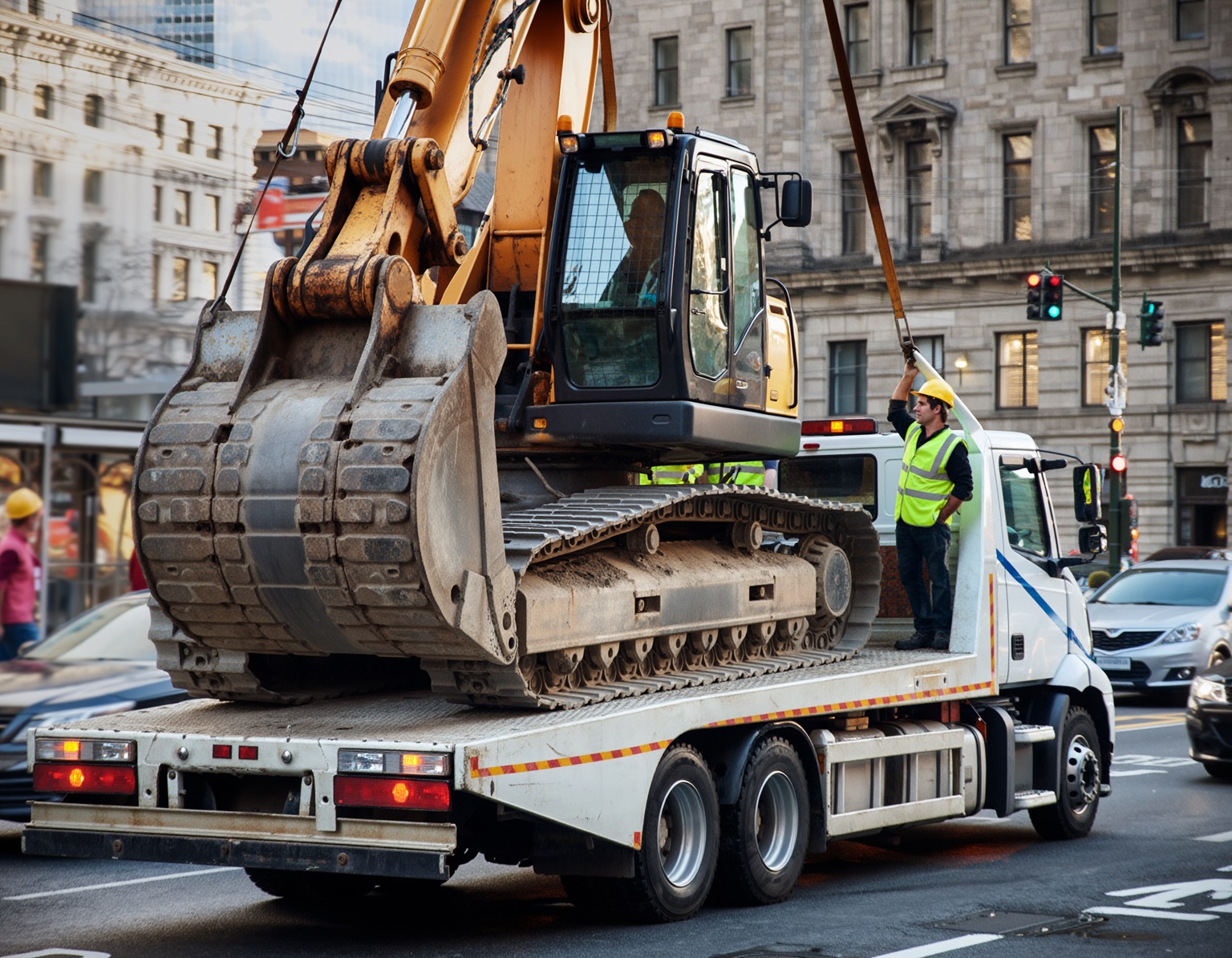
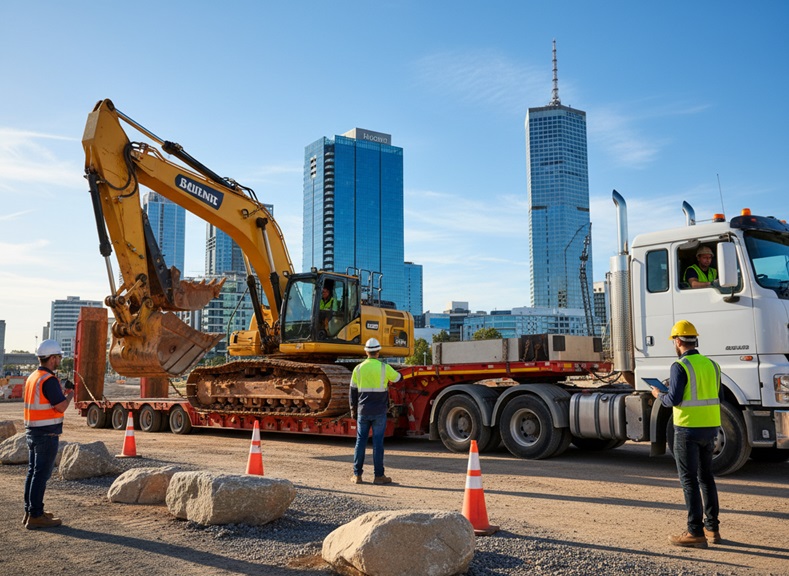
Buried to the chassis, perched on a steep dune, no second vehicle, or gear not up to the job? That’s the moment to protect the vehicle and yourself. Professional operators bring the right equipment and experience to recover quickly and safely. Saving the driveline is cheaper than fixing it.
Build Skills Before The Big Days Out
Practice makes permanent. Use a safe beach section to:
- Feel the difference between 18 PSI and 14 PSI.
- Practice ramp digging and board placement.
- Rehearse a controlled snatch with rated gear and clear comms.
Want a quick mental model? Spinning tyres in soft sand is like trying to climb a ladder with the rungs coated in oil. Clean the rungs, add grip, and climb steadily.
Regional WA Realities
Local conditions change by location and season:
- Lancelin, Wedge, Cervantes: dry, soft faces and live winds call for lower pressures and gentle throttle.
- Peasholm to Yanchep: flatter beaches, but traffic and tide timing matter.
- Remote tracks: communications and redundancy count more than comfort.
Carry extra water, shade, and a plan for poor reception. Tell someone your route and return time.
Mid-Article Services Note
If the situation becomes unsafe or the vehicle risks damage, reliable help matters. All Out Towing has extensive experience with soft-sand recoveries, dune extractions, and beach approaches across Perth and regional WA. For time-critical incidents, our 24-hour emergency towing and specialised towing solutions can reach you with the right equipment for off-road conditions.
Quick Step-By-Step: From Bogged To Moving
- Stop wheelspin immediately.
- Assess depth, angles, and chassis contact.
- Deflate to 12 to 14 PSI evenly.
- Dig shallow ramps and clear under-diff buildup.
- Place boards and feed the tyres gently.
- Reset the track if movement stalls.
- Call assistance if risk rises or progress halts.
One careful cycle beats repeated, aggressive attempts.
The Bottom Line
Bogging in WA is common and fixable. Use pressure, digging, and traction in that order. Save kinetic recoveries for when you have the right gear and space, and keep bystanders out of harm’s way.
If you need experienced hands, All Out Towing can help with 4WD towing Perth wide and planned or urgent recoveries. When you’re ready to arrange support or ask for gear advice, get in touch. Safe recoveries start with the right plan, not the loudest throttle.