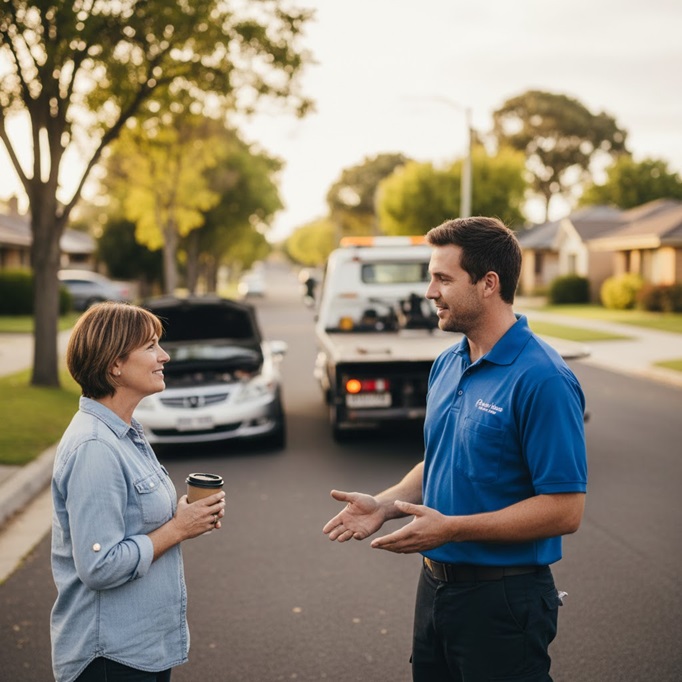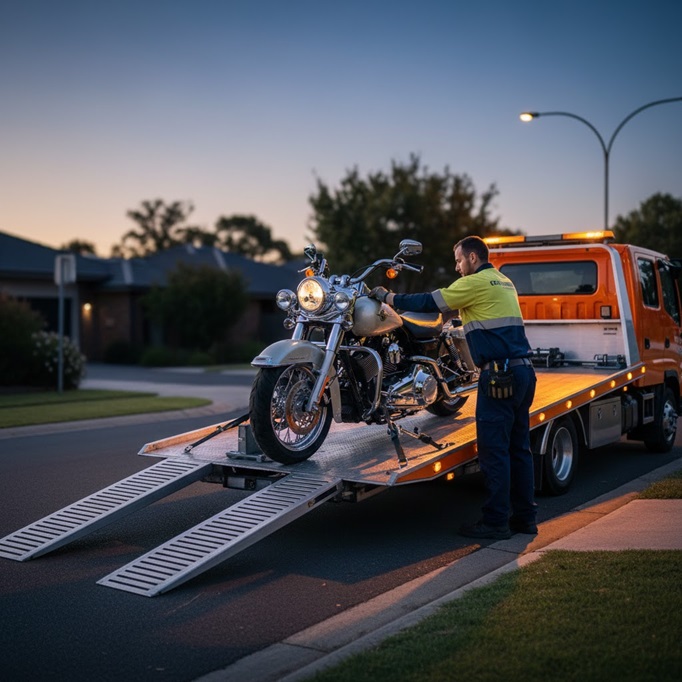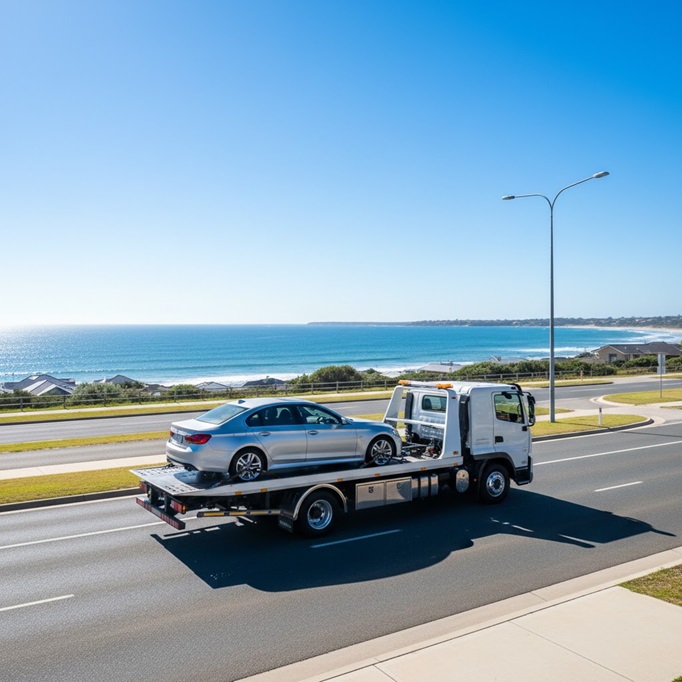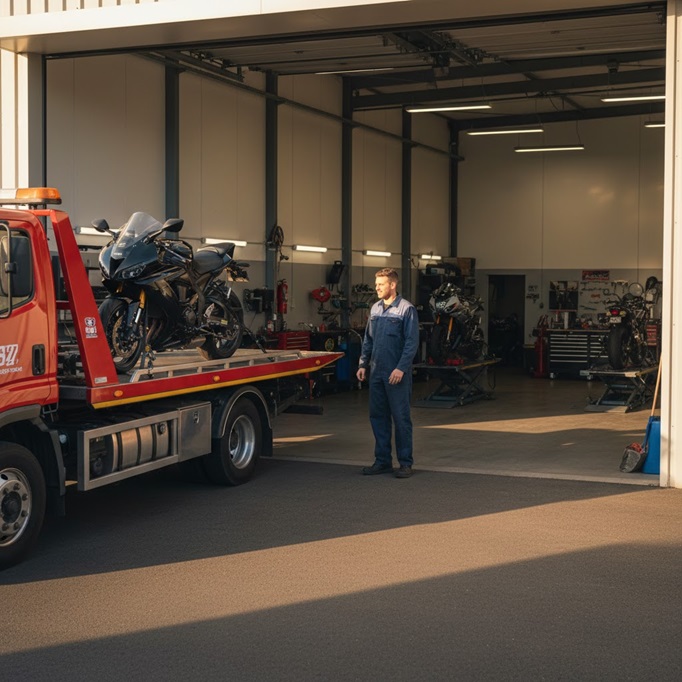
Wanneroo Road doesn’t sleep at night. Neither does the need for reliable emergency assistance. At 2:37 AM on a Tuesday, vehicles break down without warning. Engine lights flash, temperature gauges redline, or worse, complete silence when turning the key. Drivers find themselves stranded halfway between Balcatta and Wangara, with traffic lights cycling through empty intersections whilst no other vehicles pass. The darkness amplifies stress when mechanical failure strikes on one of Perth’s busiest arterial roads.
Late-night breakdowns demand immediate professional response. Vehicle recovery can’t wait until morning when temperatures drop, visibility decreases, and Main Roads WA monitors abandoned vehicles along major routes. Professional operators understand that every minute stranded on Wanneroo Road increases safety risks for drivers and creates traffic hazards for other road users navigating reduced visibility conditions. The psychological impact of being alone on a dark road with a failed vehicle compounds the mechanical emergency itself.
Perth’s northern corridor experiences consistent breakdown patterns after dark. Summer heat stresses cooling systems throughout the day, causing failures during evening commutes when drivers maintain sustained highway speeds. Winter cold drains marginal batteries overnight, leaving morning travellers stranded before they’ve even left their driveways. The 50-kilometre stretch from the city fringe through to Yanchep carries constant traffic throughout the night, making roadside safety paramount when vehicles fail. Understanding these patterns helps drivers recognise warning signs before complete failure occurs.
All Out Towing operates comprehensive 24-hour emergency towing across Perth’s northern suburbs, including complete Wanneroo Road coverage from the city fringe to the outermost northern areas. Our operators respond to late-night breakdowns with GPS-tracked trucks equipped with portable lighting systems, advanced recovery equipment, and decade-long familiarity with every section of this critical arterial route. This local knowledge proves invaluable during night operations when visibility is compromised and every minute counts.
Why Wanneroo Road Demands Specialist Night Response
Wanneroo Road stretches over 50 kilometres from Perth’s inner northern suburbs through industrial estates, retail corridors, and residential areas to the outer growth regions near Yanchep. During daylight hours, the road carries manageable traffic volumes with multiple lanes and clear visibility. After dark, however, conditions transform completely, creating unique challenges for both drivers and recovery operators.
Traffic Patterns and Speed Changes After Dark
Traffic volumes decrease significantly after 10 PM, but speeds increase proportionally as drivers take advantage of clearer roads. Travellers moving between northern suburbs and Perth CBD maintain higher speeds along the long straight sections between major intersections. This creates hazardous conditions for broken-down vehicles sitting on narrow shoulders or partially blocking lanes. What might be a minor inconvenience during peak hour becomes a genuine safety emergency at night.
The industrial stretch near Wangara sees regular freight truck movements throughout the night as deliveries continue to industrial estates and distribution centres. These heavy vehicles create dangerous wake effects when passing stranded cars at speed. Professional emergency vehicle recovery in Perth requires understanding these traffic patterns and positioning recovery trucks to protect broken-down vehicles from passing traffic. Operators must account for reduced visibility, higher speeds, and the presence of heavy commercial vehicles when planning safe recovery approaches.
Furthermore, the psychology of night-time traffic differs from daytime conditions. Drivers are often more tired, less alert, and may not notice disabled vehicles until they’re dangerously close. This makes proper positioning of warning equipment and recovery vehicles absolutely critical for preventing secondary accidents. Our operators are trained to assess these risks and implement appropriate safety protocols for each specific location along the Wanneroo Road corridor.
Lighting and Visibility Challenges
Street lighting becomes patchy through certain Wanneroo Road sections, particularly between Morley Drive and Alexander Drive where residential development gives way to semi-rural areas. This reduced visibility makes disabled vehicles difficult for approaching drivers to see until they’re dangerously close, especially if the broken-down vehicle’s electrical system has failed and hazard lights aren’t functioning. Roadside safety in Wanneroo depends on proper hazard light usage, warning triangle placement where safe to do so, and rapid professional response that removes vehicles from dangerous positions quickly.
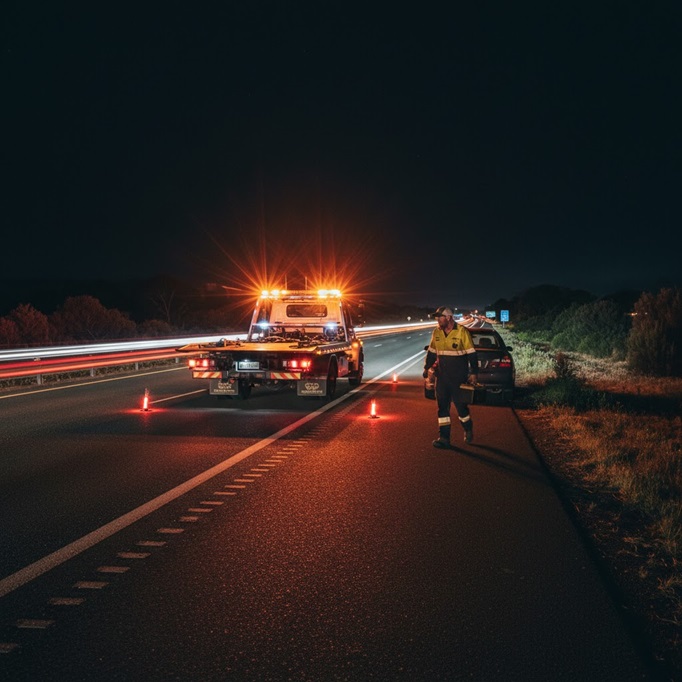
Our operators arrive equipped with high-visibility LED light bars that illuminate work areas without creating dangerous glare for passing motorists. This specialised equipment meets Main Roads WA standards for night operations on major arterial routes, ensuring both operator safety and minimal disruption to traffic flow. The lighting systems are positioned strategically to warn approaching traffic whilst providing adequate illumination for safe vehicle loading and securing procedures.
Additionally, our operators carry portable warning devices including battery-powered flashing lights and reflective cones that can be deployed when vehicle electrical systems have failed completely. These backup systems ensure we can establish safe work zones even in the most challenging circumstances, protecting both our operators and passing motorists from potential accidents.
Zone-Specific Recovery Challenges
Different sections of Wanneroo Road present unique recovery challenges that require specific knowledge and equipment. The industrial areas near Wangara feature heavy truck traffic dominating overnight operations, with loading docks, service roads, and tight kerbing that limit recovery truck positioning options. Operators must navigate these constraints whilst maintaining safe distances from active traffic lanes.
The retail corridors through Balcatta present different challenges with tight kerbs, limited shoulder space, and frequent bus stops that restrict where recovery trucks can safely position. These areas also feature more street lighting, which helps visibility but can create glare issues if recovery lighting isn’t positioned correctly. Our operators know which approaches work best for different locations along this commercial stretch.
Northern residential sections present perhaps the most challenging conditions, with street lighting becoming minimal and side streets providing safer staging areas than main road shoulders. In these areas, our operators often use side streets and residential roads to load vehicles before returning to Wanneroo Road, minimising exposure to traffic and reducing risks for all parties involved.
High-speed sections between major intersections require the most careful approach, as traffic moves fastest through these areas even at night. Our operators position trucks to create protected work zones using the truck itself as a barrier between the disabled vehicle and approaching traffic. This technique, combined with appropriate lighting and warning devices, creates the safest possible environment for vehicle recovery operations.
Operators providing round-the-clock emergency towing across Perth must know these zones intimately to position recovery trucks safely and complete vehicle loading efficiently during night operations. This knowledge comes from years of experience working the same routes repeatedly, learning which approaches work best for different scenarios and locations.
What Actually Happens During A Late Night Breakdown In Wanneroo
Mobile phones become essential lifelines when vehicles fail after dark. Drivers must quickly assess their situation whilst stress levels rise and adrenaline clouds clear thinking. Strange engine noises, visible smoke, or complete electrical failure each require different immediate responses. Understanding what to do in those first critical minutes can mean the difference between a manageable situation and a dangerous emergency.
Immediate Safety Protocols
Turn on hazard lights immediately upon realising the vehicle has failed. This warning signal helps other drivers recognise the hazard ahead, particularly in sections with limited visibility where reaction times are compressed. If the vehicle retains any mobility whatsoever, move it as far from active traffic lanes as possible, even if this means driving slowly on a damaged component for a short distance. The risk of being struck by another vehicle far exceeds the risk of additional mechanical damage in most scenarios.
Coast toward side street turnoffs or service road access points when possible. Even a few metres of additional clearance from passing traffic significantly improves safety during the wait for professional assistance. However, never attempt to drive a vehicle showing signs of serious mechanical failure such as complete loss of power steering, smoking engine compartments, or deployed airbags, as this risks complete engine destruction or creates additional safety hazards.
If the vehicle cannot be moved safely, the next priority is ensuring all occupants are in the safest possible location. This might mean staying inside the vehicle with seatbelts fastened if it’s in an active traffic lane, or evacuating to a safe location behind barriers if the shoulder provides adequate protection. Making this assessment correctly requires calm thinking under stressful conditions.
Passenger Safety During the Wait
Don’t position passengers behind or directly in front of the disabled vehicle under any circumstances. The safest location is behind roadside barriers when available, or well away from the road edge on the passenger side where approaching traffic won’t strike pedestrians. Wanneroo Road experiences regular late-night traffic from delivery vans, taxi services, and shift workers whose visibility is compromised by darkness and whose reaction times may be slower due to fatigue.
Keep all passengers, particularly children, away from the roadway whilst waiting for recovery. The few minutes before professional help arrives present the highest risk period for secondary accidents involving pedestrians near breakdown scenes. Children especially may not understand the dangers and may want to explore the area or stand near the road to watch for the tow truck. Maintaining strict control of passenger locations is essential.
For passengers with mobility issues, special considerations apply. Elderly passengers or those with disabilities may not be able to quickly evacuate vehicles or navigate uneven ground away from the roadway. In these cases, keeping these passengers inside the vehicle with seatbelts fastened whilst other passengers evacuate may be the safest option, depending on the specific location and traffic conditions.
Communicating Location to Dispatch
When contacting emergency services for a late night breakdown in Wanneroo, provide specific landmark information rather than relying solely on street addresses. Street numbers are often invisible in darkness, and GPS coordinates, whilst helpful, don’t always convey the specific challenges of a location. Instead, reference major intersections: “northbound, just past the Hepburn Avenue intersection,” or “near the Bunnings in Wangara.” These landmarks immediately orient experienced operators to your location.
Additionally, describe the vehicle’s position relative to landmarks: “on the left shoulder about 100 metres before the traffic lights,” or “blocking the right lane near the pedestrian crossing.” This information helps operators plan their approach and position their recovery truck appropriately before arriving on scene. The more specific the information, the faster and safer the recovery operation.
Experienced operators know these landmarks and can navigate directly to breakdown locations without wasting time searching for street numbers or specific addresses. This local knowledge reduces response times significantly during critical after-hours situations. Our average response time for 24 hour towing on Wanneroo Road is under 30 minutes, with faster arrivals when trucks are already positioned in the northern suburbs responding to previous calls.
If mobile phone battery is running low, conserve power by dimming the screen and closing unnecessary applications. However, keep the phone readily available for updates from our dispatch team. We typically provide status updates when the truck is 10 minutes away and again at 5 minutes, so drivers know exactly when to expect assistance.
Strategic Fleet Positioning
Professional operators don’t wait for breakdown calls before positioning equipment strategically. Our fleet maintains locations across Perth’s northern suburbs specifically to minimise response times on major routes like Wanneroo Road. This means trucks are already in the general vicinity when calls come in, not sitting at a single depot 40 minutes away requiring lengthy travel times before recovery operations can even begin.
This strategic positioning is based on historical data showing which areas experience the highest volumes of breakdowns during different time periods. We know, for instance, that certain industrial areas see more breakdowns during early morning hours when workers are commuting to early shifts, whilst residential areas see more failures during evening hours. Positioning trucks accordingly ensures optimal coverage throughout the night.
Emergency Night Recovery Vs Standard Towing Services
Not all towing services are equivalent in capability or approach. Moving a vehicle from a residential driveway to a local mechanic during business hours differs fundamentally from recovering a breakdown on a major arterial road at midnight. The equipment requirements, operator skills, and safety protocols vary dramatically between these scenarios.
Specialised Night Operation Equipment
Emergency recovery requires equipment beyond standard tow trucks. Professional operators arrive with portable lighting systems that illuminate work areas without creating hazardous glare for passing traffic. These lights are positioned to provide adequate visibility for the recovery operation whilst directing light downward and away from the eyes of approaching drivers. High-visibility safety equipment meets Main Roads WA requirements for working on major roads after dark, including reflective vests, helmets when appropriate, and marking equipment that meets Australian standards.
Communication protocols with traffic management authorities become essential when working on high-traffic sections. Operators maintain direct contact with Main Roads WA dispatch during complex recoveries that may require temporary lane closures or traffic diversions. This coordination ensures other motorists receive advance warning through electronic message boards and that emergency services are aware of the recovery operation if additional support becomes necessary.
Modern recovery trucks also feature integrated communication systems allowing real-time updates to dispatch centres. This enables coordinators to track recovery progress, update customers on estimated completion times, and coordinate multiple recovery operations simultaneously when mass casualty incidents or multiple-vehicle accidents require responses from several trucks.
Vehicle Condition Assessment Before Recovery
Professional operators assess vehicle condition thoroughly before beginning recovery operations. Overheated engines that have seized require different handling than vehicles with flat batteries. Cars involved in minor collisions need specialised protocols compared to simple mechanical failures. This assessment determines the safest recovery method and identifies any additional equipment that may be required.
For instance, vehicles with deployed airbags require special care during loading to avoid triggering additional airbag modules or damaging supplemental restraint system components. Vehicles with significant front-end damage may have compromised structural integrity requiring additional securing points during transport. Operators trained in collision recovery understand these considerations and adjust their approach accordingly.
This assessment determines whether conventional wheel-lift towing is safe, or whether specialist flatbed towing that protects drivetrains is required to prevent additional damage during vehicle recovery. Making this determination correctly prevents thousands of pounds in additional repair costs and ensures the vehicle arrives at its destination in the same condition it left the breakdown scene.
The Precision Required for Safe Night Recovery
Standard towing resembles moving furniture during daylight with ample time and visibility. Emergency night recovery operates like surgical extraction where precision, speed, and safety protocols are non-negotiable. Rushing through safety-critical steps creates risks for operators, passing traffic, and the disabled vehicle. However, taking too long exposes everyone to unnecessary danger from passing traffic.
This distinction explains why experienced operators complete night towing along the Mitchell Freeway and Wanneroo Road corridors efficiently without compromising safety standards. Years of experience build the expertise required for these high-pressure situations. Operators learn to work methodically whilst maintaining appropriate urgency, completing each step correctly without wasted motion or unnecessary delays.
The precision extends to every aspect of the operation, from initial truck positioning through final securing of the loaded vehicle. Each step follows established protocols designed to maximise safety whilst minimising time spent in dangerous positions. This systematic approach ensures consistent results regardless of conditions or circumstances.
Common Late-Night Breakdown Scenarios We Handle
Certain breakdown patterns emerge consistently during after-hours operations along Wanneroo Road. Understanding these scenarios helps drivers recognise warning signs before complete failure occurs, potentially preventing breakdowns or at least ensuring drivers are in safer locations when failure does occur.
Overheating Engines in Summer
Perth’s summer temperatures don’t always drop dramatically after sunset, particularly during extended heat waves when overnight temperatures remain above 25 degrees. Cooling systems stressed throughout the day often fail during evening commutes when drivers maintain sustained speeds along Wanneroo Road’s straight sections. This pattern dominates breakdown calls between December and February, with peak failures occurring between 6 PM and 10 PM when the day’s accumulated heat finally overwhelms marginal cooling systems.
Drivers notice rising temperature gauges or steam emerging from under bonnets. The temptation to continue driving “just a bit further” to reach home or a service station can be overwhelming, but continuing to drive risks catastrophic engine damage. Immediate shutdown and professional recovery prevents thousands of pounds in repair costs. A tow costs a few hundred pounds; a destroyed engine costs several thousand.
Warning signs include rising temperature gauge readings, steam from the bonnet, sweet smells indicating coolant leaks, and unusual engine noises suggesting bearing damage from inadequate lubrication. Recognising these signs early and shutting down immediately minimises damage and often prevents complete engine failure.
Battery Failures During Winter Nights
Cold overnight temperatures stress aging batteries beyond their remaining capacity. Vehicles that struggled to start on chilly mornings often fail completely during cold nights when temperatures drop to single digits. Battery failures spike noticeably during Perth’s winter months from June through August when overnight temperatures regularly drop below 10 degrees, placing maximum strain on battery chemistry.
Our on-site battery and breakdown assistance teams can provide jump-starts for batteries with remaining capacity that simply need an extra boost. However, completely dead batteries or failed alternators require full vehicle recovery to workshops for replacement. Attempting multiple jump-starts on a completely dead battery wastes time and can damage vehicle electrical systems.
The challenge with battery failures is they often occur in locations like home driveways or car parks where drivers feel less urgency about resolution. However, leaving a vehicle with a dead battery overnight, even in seemingly secure locations, risks additional electrical system damage from attempted theft or vandalism. Professional recovery to a secure location protects the vehicle and enables proper diagnosis.
Transmission Problems After Highway Runs
Wanneroo Road encourages sustained speeds that stress transmissions with existing problems. Warning signs like slipping gears, delayed engagement, or unusual noises become complete failures after extended highway driving. Professional operators have recovered dozens of vehicles with transmission failures along this specific stretch, particularly in the sections where speeds regularly exceed 80 km/h for extended distances.
Transmission failures require tilt tray recovery exclusively. Attempting to tow these vehicles conventionally causes additional drivetrain damage and dramatically increases repair costs. Even short-distance conventional tows can cause damage to transmission components, differentials, and driveshafts. The cost difference between a tilt tray recovery and a conventional tow pales in comparison to the additional damage costs.
Modern automatic transmissions are particularly vulnerable to towing damage because they require constant lubrication provided by the transmission pump, which only operates when the engine is running. Towing with drive wheels on the ground means transmission components are moving without lubrication, causing rapid wear and potential catastrophic failure.
Tyre Blowouts and Pressure Fluctuations
Temperature changes between day and night cause tyre pressure fluctuations that can turn a slow leak into a rapid deflation. Hitting potholes or road debris at speed in reduced visibility can shred tyres instantly, leaving drivers stranded with flat tyres in dangerous locations. Sections of Wanneroo Road without wide shoulders make changing tyres dangerous or impossible for drivers without professional assistance.
Professional recovery eliminates the risks of attempting roadside tyre changes in darkness with heavy traffic passing metres away. Our operators complete these changes in safer locations after relocating vehicles, or transport vehicles directly to tyre services if damage is too severe for temporary spare installation. This approach keeps everyone safe whilst ensuring the vehicle receives proper service.
Collision Recovery and Insurance Coordination
Wanneroo Road experiences accidents at major intersections including Morley Drive and Alexander Drive junctions where traffic from multiple directions creates conflict points. Post-collision vehicle recovery requires coordination with WA Police and insurance companies to ensure proper documentation and legal compliance. Our team provides post-crash towing with full insurance coordination including proper scene photography, secure transport to approved assessment facilities, and documentation that meets insurer requirements for claims processing.
Conclusion
Late-night breakdowns on Wanneroo Road create immediate stress and safety concerns that demand professional response. Professional operators eliminate delays and provide expert assistance when drivers need it most, transforming crisis situations into manageable problems through proper equipment, experienced operators, and immediate response availability.
Drivers experiencing breakdowns after dark benefit from secure vehicle towing that prevents further damage through proper equipment selection and experienced operators who understand the unique challenges of night recovery operations on major arterial roads.
Perth drivers needing immediate towing assistance can call 0418 959 216 for 24-hour emergency towing response across Perth’s northern suburbs with GPS-tracked trucks and experienced operators.