You’ve just had your car towed after breaking down on Mitchell Freeway, and now you’re staring at a receipt, wondering if your insurance will cover it. Can you actually submit a towing insurance claim, WA policies honour? What’s the process? Will you be left paying out of pocket?
You’re not alone in that confusion. Most drivers don’t know whether their policy includes towing, what the process looks like, or if they’ll get reimbursed at all.
What makes it frustrating is that insurance policies aren’t written in plain language. They’re filled with terms like “emergency assistance cover” and “roadside benefits” that might or might not include actual towing. And when you’re already stressed from a breakdown, the last thing you want is to wade through pages of policy documents trying to work out what you’re entitled to.
The good news? If you’ve got comprehensive car insurance in WA, there’s a decent chance towing is covered. But knowing how to file a towing insurance claim WA drivers rely on properly makes the difference between getting reimbursed and being told you didn’t follow the proper steps.
Why Most Policies Include Towing (But Not Always)
Comprehensive car insurance typically bundles roadside assistance as an optional extra or automatic inclusion. This usually covers towing to the nearest repairer after an accident or breakdown. The catch? “Usually” doesn’t mean “always.”
Some insurers separate roadside assistance from towing cover. You might have one but not the other. Others cap the towing distance at 20 or 50 kilometres, which doesn’t help much if you’ve broken down in Cervantes and need to get back to Perth.
A typical scenario illustrates this: someone’s car dies near Gingin, and they assume their insurance covers unlimited towing because it mentions “emergency assistance.” Their policy only covers the first 25 kilometres. They end up paying the difference themselves, which isn’t cheap when you’re hauling a vehicle 70-odd kilometres south.
Please read your policy document before you need it. Look specifically for these terms: towing cover, emergency roadside assistance, and distance limits. If those sections are vague, ring your insurer and ask for specifics. Write down what they tell you and keep it with your policy paperwork.
The Difference Between Roadside Assistance and Towing Coverage
This trips people up constantly. Roadside assistance usually means on-the-spot help: jump-starts, tyre changes, fuel delivery, and lockout services. Towing cover means transporting your vehicle when it can’t be fixed at the roadside.
Think of roadside assistance like a first aid kit – it handles the minor fixes. Towing cover is the ambulance that gets your vehicle to safety when the job’s too big.
Some policies bundle them together. Others treat them as separate features. If you’ve only got roadside assistance without towing cover, you’ll pay for any tow yourself unless the breakdown happened during an insured event like an accident.
Where it gets messier: even with comprehensive insurance, towing might only be covered if the breakdown results from an insured incident. If your transmission fails because you’ve been ignoring maintenance warnings, that’s not necessarily covered. But if you’re rear-ended and your car needs towing, that almost certainly is.
Check whether your policy includes at-fault towing. Some insurers will tow your vehicle even if you caused the accident. Others won’t cover towing if you’re deemed responsible. That distinction matters when you’re working out what you’ll actually receive.
When Your Insurance Will Cover the Tow
Your insurance will typically cover towing after an accident, regardless of who’s at fault, as long as you’ve got comprehensive cover. The tow truck takes your car to an approved repairer or a place you nominate, and the insurer handles the cost.
If you’ve broken down due to mechanical failure, coverage depends entirely on whether you’ve got roadside assistance included. Most comprehensive policies these days throw in basic roadside help, but it’s worth confirming.
If your car won’t start in a shopping centre car park, that’s usually covered. If it dies because you ran out of fuel, some insurers won’t cover it.
There’s also the question of where you broke down. If you’re off-road or in a location that requires specialist recovery equipment, standard towing cover might not apply. Policies sometimes specifically exclude recovery from beaches, dunes, or unsealed roads. That’s relevant in WA, where plenty of drivers head bush or hit the coast on weekends.
Distance limits matter too. If your policy covers towing up to 50 kilometres and you need to go further, you’ll pay the difference. Some insurers offer higher limits for an extra premium, which might be worth it if you regularly drive regional routes.
What You’ll Need Before You Submit a Towing Insurance Claim in WA
Before you ring your insurer to lodge a claim, gather your information. You’ll need your policy number, the location of your vehicle, and details about what happened. If it’s an accident, you’ll also need the other driver’s details and any police report numbers.
Take photos of your car and the scene if it’s safe to do so. Insurers like evidence, especially if there’s damage or if you’re claiming for an accident-related tow. Document everything: the time, the weather, the road conditions – anything that might be relevant.
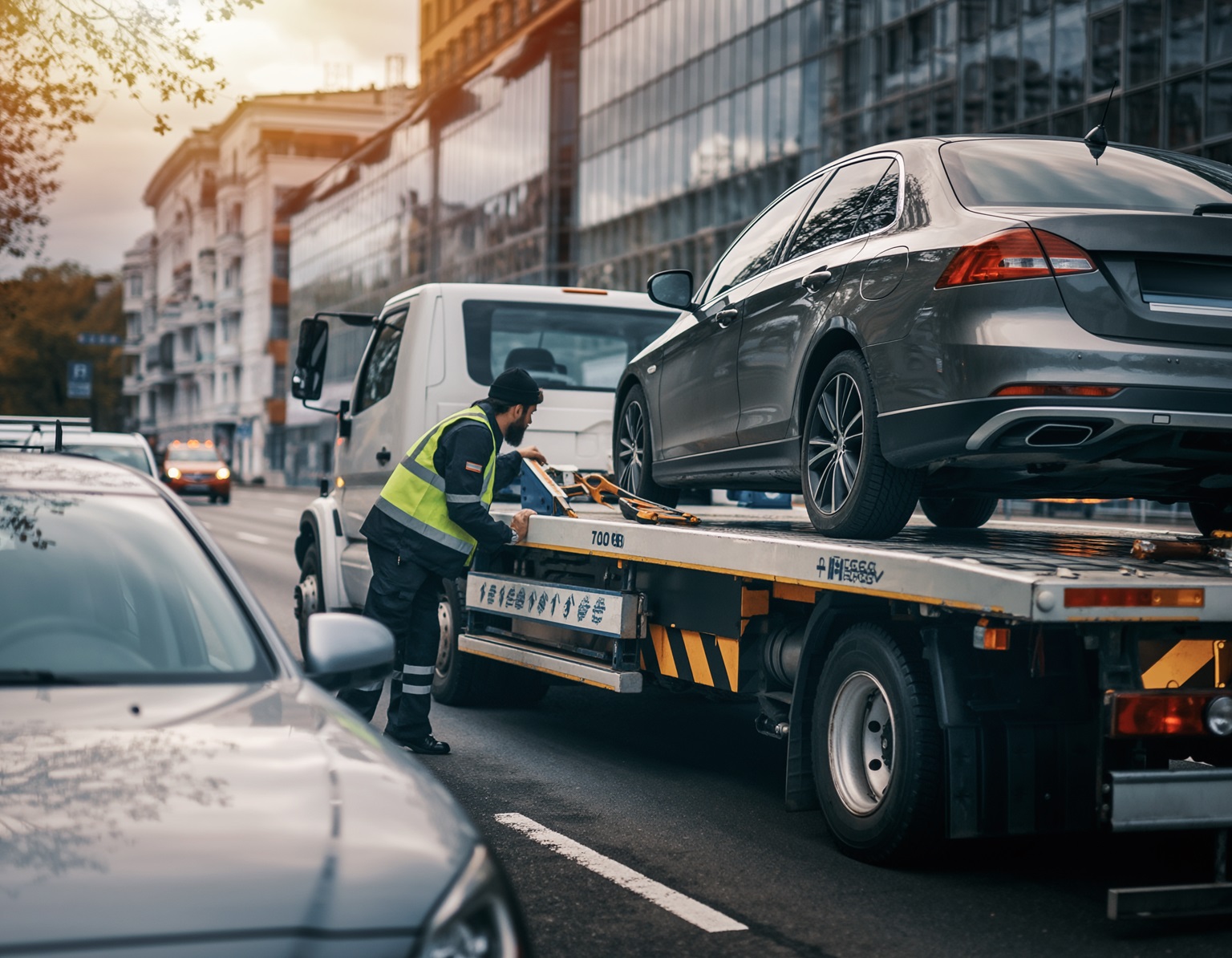
If you’ve already organised the tow through a professional service like All Out Towing, keep the receipt and any paperwork the driver gives you. You’ll need those to claim reimbursement. Some insurers prefer you use their nominated tow provider, so check your policy first if you’ve got time.
Please write down the name of the tow truck operator, the time they arrived, where they took your vehicle, and how much you paid. The more detail you provide, the smoother your claim will go. Think of documentation like breadcrumbs – you’re leaving a clear trail so your insurer can follow exactly what happened and why the towing was necessary.
How to Lodge Your Towing Insurance Claim in WA Successfully
Ring your insurer as soon as possible after the incident. Most have 24/7 claims lines, and the sooner you report it, the faster things move. They’ll ask you to describe what happened, confirm your policy details, and explain what you need.
If you haven’t arranged a tow yet, they’ll often organise one for you through their network. This is usually the most straightforward path because they handle payment directly.
If you’ve already paid for a tow, tell them upfront. They’ll guide you through the reimbursement process.
You’ll likely need to fill out a claim form, either online or on paper. Attach copies of your receipt, photos, and any supporting documents. Don’t send originals unless they specifically ask for them.
The insurer will assess your towing insurance claim in WA based on your policy terms. If towing is covered and you’ve followed the proper steps, approval usually comes through within a few days.
If your claim gets knocked back, ask why. Sometimes it’s a simple paperwork issue. Other times, it’s because the situation doesn’t meet your policy’s criteria. If you disagree with their decision, you can escalate it through their internal complaints process or contact the Australian Financial Complaints Authority.
Why Some Towing Insurance Claim WA Submissions Get Rejected
The most common reason claims fail is that the driver didn’t have the right cover in the first place. If your policy doesn’t include towing or roadside assistance, you won’t be reimbursed.
Another issue is distance limits. If your policy caps towing at 30 kilometres and you need a 60-kilometre tow, you’ll only get partial reimbursement.
Using an unapproved tow provider can also cause problems. Some insurers insist you use their network, and if you go elsewhere, they might refuse to cover it. That’s frustrating when you’re stuck on the side of the road and need help, but it’s worth knowing in advance.
Claims also get rejected if the breakdown resulted from something excluded in your policy – lack of maintenance, driving on unsuitable terrain, or using your vehicle for commercial purposes without the right cover can all void your claim.
Finally, failing to report the incident promptly can work against you. Most policies require you to notify the insurer within a reasonable timeframe. If you wait weeks to lodge a claim, they might question why.
The Guilt You’re Probably Feeling (And Why It’s Misplaced)
There’s this weird guilt drivers feel about claiming on their insurance, even when they’re entitled to it. You worry you’ll be seen as a burden, or that your premiums will skyrocket, or that you’re somehow taking advantage.
The truth: you pay for insurance precisely so you can use it when things go wrong. Claiming for a legitimate tow after a breakdown or accident isn’t cheeky or excessive – it’s what the policy is for.
Yes, making a claim can affect your premiums, but not always in the way you think. A single claim for towing after a breakdown often won’t have much impact, especially if you’ve got a clean claims history. Insurers look at patterns, not isolated incidents.
If you’re hesitant because you’re worried about the paperwork or the hassle, remember that not claiming means paying out of pocket for something you’ve already paid to have covered. That’s leaving money on the table.
What to Do If You Don’t Have Towing Cover
If your insurance doesn’t include towing, you’ve got a few options. You can add roadside assistance to your existing policy, which usually costs between $50 and $150 a year, depending on the level of cover.
Alternatively, you can take out an independent roadside membership. These typically include towing, battery jump-starts, tyre changes, and more, often with higher distance limits than standard insurance policies.
If you break down without cover, you’ll need to arrange and pay for the tow yourself. That’s where safe car towing services can help. You’ll be covering the full cost, which usually ranges between $150 and $400 depending on distance and time of day.
It’s worth running the numbers. If you drive frequently, especially on regional roads, having proper towing coverage makes sense. If you mostly stick to the suburbs and have a reliable car, you might decide to take the risk and pay as you go.
Start Here, Not With Perfection
You don’t need to become an insurance expert overnight. Start by finding your policy document and reading the roadside assistance and towing sections.
Once you know what you’ve got, decide if it’s enough. If you’re driving long distances regularly or heading into remote areas, consider upgrading your cover. If you’re mostly around the metro area, basic cover is probably fine.
Keep a copy of your policy details in your car, along with your insurer’s claims number. When something goes wrong, you won’t have to scramble to find the information.
If you’ve recently had a tow and you’re not sure whether to claim, ask your insurer. They can tell you whether it’s covered and what the process looks like. The worst they can say is no, and at least you’ll know where you stand.
And if you’re ever stuck and need help, don’t hesitate to get in touch with a reliable towing service. Sorting out insurance can happen later – getting your car off the road safely is what matters first.
Why Understanding the Towing Insurance Claim WA Process Matters
Insurance is deliberately complex. Policies are written by lawyers, not by people who’ve ever been stranded on Tonkin Highway at 11 pm, wondering what to do next.
But you’re not powerless. Once you understand the basics, claiming for towing becomes straightforward. It’s just a matter of knowing what you’ve got, following the steps, and keeping records.
You’re allowed to ask questions. Ring your insurer and get them to explain anything you don’t understand. If they can’t explain it clearly, that’s on them, not you.
Your job is to know what you’re paying for – and how to use it when you need it.
Essential Steps to Successfully Complete a Towing Insurance Claimin WA
To successfully submit a towing insurance claim that WA insurers will approve, remember these key steps:
- Check your policy before you need it – know what’s covered
- Document everything – photos, receipts, times, locations
- Contact your insurer promptly – don’t wait weeks
- Follow their preferred process – use approved providers if required
- Keep all paperwork – receipts, claim forms, correspondence
- Ask questions – clarify anything you don’t understand
- Escalate if needed – use the complaints processes if claims are rejected unfairly
Most WA drivers don’t realise they’ve got towing cover until they need it. Don’t be one of them. Check your policy today – you’ll thank yourself the next time something goes wrong.
Understanding the towing insurance claim WA process means you’re prepared for the unexpected. Whether you’ve broken down on the freeway or been in an accident, knowing how to lodge your claim properly ensures you get the reimbursement you deserve.
If you need 24-hour emergency assistance, get help first and sort out the insurance claim afterwards. Your safety and getting off the road quickly matter more than paperwork. For immediate help, contact our 24-hour emergency towing team anytime.