When your car’s declared a total loss after an accident or breakdown in WA, it doesn’t just disappear. Behind the scenes, a highly regulated process transforms what looks like scrap metal into reusable parts, recycled materials, and even energy – all while protecting the environment and keeping dodgy operators off the road.
All Out Towing works with authorised facilities across Perth to ensure your written-off vehicle is handled legally and responsibly. Here’s exactly what happens after we tow your car away, and why vehicle recycling Perth processes matter more than you might think.
The Journey from Roadside to Recycling Facility
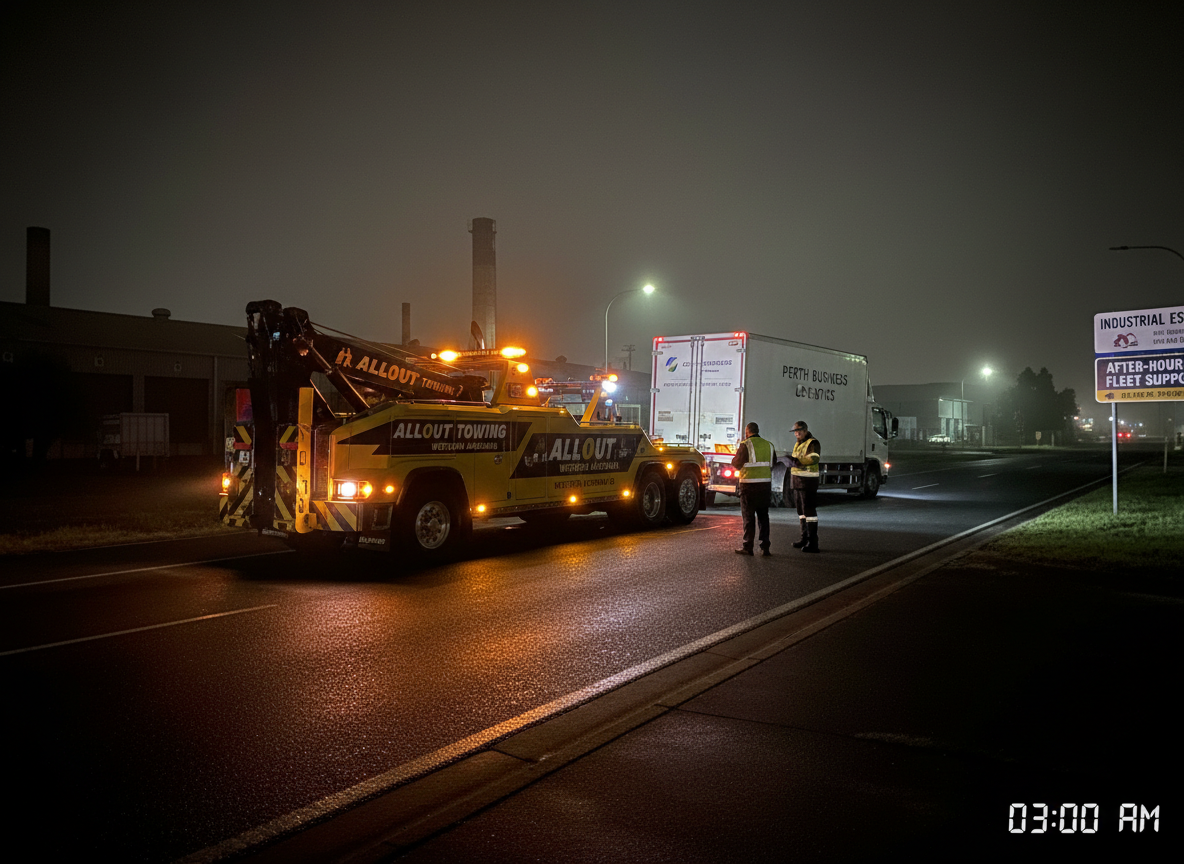
The moment we load your total-loss vehicle onto our tilt tray, it enters a carefully tracked chain of custody. We don’t drop cars at random wreckers or leave them in holding yards indefinitely. Every vehicle we collect is transported to a licensed facility that meets WA’s environmental and safety standards.
Your insurer typically directs where the vehicle goes, especially if they’ve already assessed it as a write-off. If you’re not making an insurance claim, we’ll recommend a facility that handles vehicle recycling in Perth ethically and provides proper documentation for licence plate surrender.
The transport itself matters too. Using our tilt tray services prevents further damage during the tow – important because even a written-off car still contains valuable parts that shouldn’t be destroyed by careless handling.
What “Total Loss” Actually Means in Western Australia
Not all write-offs are created equal. WA uses a national system that classifies damaged vehicles into categories, and this determines what can legally happen next.
Statutory Write-Offs (Category A and B) are too damaged to ever be registered again. These vehicles must be completely destroyed – no parts can be sold for reuse on other cars. Think severe structural damage, fire damage, or flood contamination where safety can’t be guaranteed.
Repairable Write-Offs (Category C and D) are damaged beyond economic repair (meaning the repair cost exceeds the car’s value), but they’re structurally sound enough that parts can be salvaged. These vehicles can technically be repaired and re-registered, but it requires an expensive inspection process most owners skip.
The category stamped on your vehicle determines its recycling pathway. It’s not arbitrary – it’s based on Australian Design Rules and safety standards designed to keep dangerous cars off WA roads.
The First 48 Hours: Assessment and Depollution
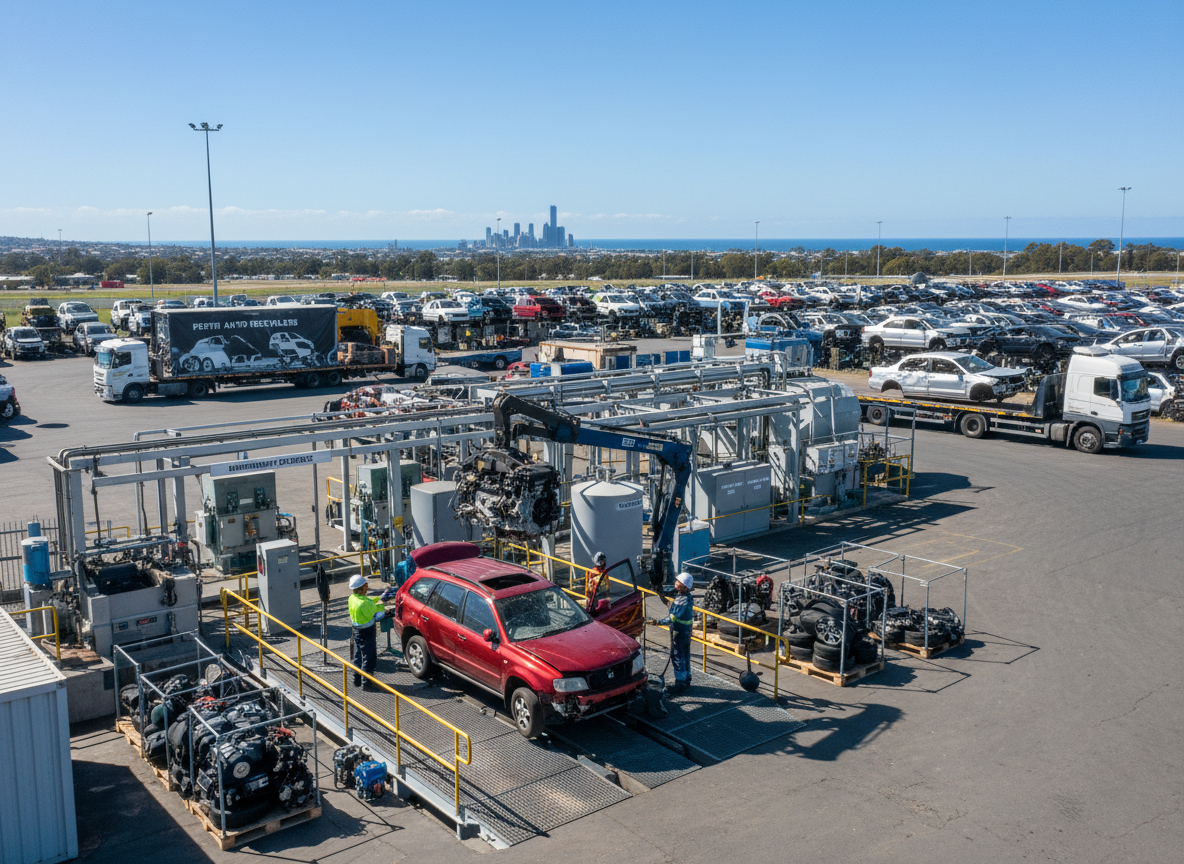
Once your car arrives at the recycling facility, trained technicians conduct a detailed assessment. They’re looking for two things: what can be safely reused, and what poses an environmental hazard.
Depollution happens first. This is the removal of all fluids and hazardous materials before any dismantling begins:
- Engine oil, transmission fluid, and coolant are drained and stored in licensed containers
- Fuel tanks are emptied (petrol and diesel can be refined and reused)
- Air conditioning refrigerants are captured using specialised equipment
- Battery acid is neutralised, and the battery itself is separated for lead recovery
- Brake fluid, power steering fluid, and windscreen washer fluid are removed
This isn’t optional. Under the Environmental Protection Act 1986, facilities face heavy fines for improper disposal of automotive fluids. Every litre of oil, every gram of refrigerant, must be accounted for.
The process looks clinical because it is. Think of it like surgery – methodical, documented, and focused on preventing contamination. One improperly drained sump can poison groundwater for decades.
Parts Harvesting: What Gets Saved and Why
After depollution, the dismantling team identifies reusable components. Modern cars contain thousands of parts, and many are in perfect working order even when the vehicle itself is written off.
High-value components removed first include:
- Engines and transmissions (if undamaged)
- Doors, bonnets, and tailgates
- Seats, dashboard components, and trim
- Wheels, tyres, and suspension parts
- Electronic modules (ECUs, infotainment systems, sensors)
- Lights, mirrors, and glass
- Catalytic converters (contain precious metals like platinum and palladium)
These parts are cleaned, tested, and catalogued. Reputable facilities photograph each component and track its origin vehicle using VIN numbers. This traceability prevents stolen parts from entering the market and gives buyers confidence in quality.
Why This Matters for You: If your car wasn’t insured, you might negotiate with the facility to buy back certain parts before recycling. Some owners retrieve custom wheels, aftermarket stereos, or sentimental items this way. Just ask before the car’s processed – once dismantling starts, it’s too late.
The Metal Recovery Process
Once all reusable parts are stripped, what’s left is mostly metal – about 75% of a car’s weight. This shell enters the shredding and separation phase.
The vehicle body is crushed and fed into an industrial shredder that tears it into fist-sized chunks. These fragments then pass through a series of separation systems:
Magnetic separators pull out ferrous metals (steel and iron). These go to steel mills where they’re melted down and reformed into new products. It takes 60-70% less energy to recycle steel than to produce it from raw ore.
Eddy current separators use magnetic fields to eject non-ferrous metals like aluminium, copper, and brass. Aluminium from cars is especially valuable – recycling it saves 95% of the energy needed to make virgin aluminium.
Air classification systems separate lighter materials like plastics, rubber, and foam. These are either recycled into new products (like plastic pallets or road base) or sent to waste-to-energy facilities where they’re incinerated under controlled conditions to generate electricity.
Nothing useful goes to landfill if it can be avoided. The economics alone demand efficiency – metals are too valuable to waste, and landfill fees are too expensive to justify.
What Happens to Fluids and Hazardous Materials
Remember those fluids drained during depollution? They don’t just get poured down a drain. Each has a specific recycling pathway regulated by the Department of Water and Environmental Regulation.
Used engine oil is sent to re-refineries where it’s filtered, cleaned, and processed back into base oil for new lubricants. About 70% of used oil in Australia is recycled this way. The rest becomes industrial fuel for cement kilns and power generation.
Coolant (antifreeze) is filtered to remove contaminants, then either reused or broken down chemically. Ethylene glycol, the active ingredient, can be recovered and remanufactured.
Lead-acid batteries are nearly 100% recyclable. The lead is melted and cast into new battery plates, the plastic casing is shredded and reformed, and even the sulfuric acid is neutralised and reused.
Tyres are one of the trickier materials. Whole tyres can’t go to landfill in WA. Instead, they’re either retreaded (if still in good condition), shredded into crumb rubber for playground surfaces and road asphalt, or used as fuel in industrial processes.
The Role of Licensed Recyclers vs Backyard Wreckers
Not every business that calls itself a “wrecker” operates legally. WA has strict licensing requirements for automotive recycling, but enforcement relies partly on consumers making informed choices.
Licensed facilities must:
- Hold a current waste facility licence from the Department of Water and Environmental Regulation
- Maintain proper bunding (containment systems) to prevent soil and water contamination
- Use approved storage for hazardous materials
- Keep detailed records of vehicle intake and parts distribution
- Surrender number plates and notify the Department of Transport when vehicles are scrapped
Unlicensed operators (often called “backyard wreckers”) skip these requirements. They drain fluids onto bare ground, store batteries in the open where acid can leak, and sell parts without traceability. It’s cheaper for them – and riskier for everyone else.
When you use professional accident towing services connected to legitimate facilities, you’re not just ticking a legal box. You’re ensuring your car doesn’t become an environmental liability.
How Insurance Companies Manage Total Loss Vehicles
If your car’s written off through insurance, the process is more structured. The insurer takes ownership of the wreck once they pay your claim, and they contract with specific recyclers to collect and process it.
Major insurers use national networks of authorised buyers who bid on salvage vehicles. These buyers then either repair and resell the car (if it’s a repairable write-off) or send it for parts and recycling with car disposal WA procedures.
You don’t usually get a say in where the car goes, but you can request information about its final destination. Some policies even allow you to buy back the wreck if you want to salvage parts yourself – though you’ll need to arrange transport and storage.
The insurer handles licence plate surrender and notifies the Department of Transport that the vehicle’s been written off. This updates the Written-Off Vehicle Register (WOVR), which prevents the car from being re-registered unless it passes a strict re-compliance inspection.
Environmental Standards and Compliance in WA
Western Australia doesn’t mess around with automotive recycling regulations. The state’s environmental laws are designed to prevent the kind of contamination that plagued older wrecking yards – sites where decades of oil spills and battery acid leaks poisoned soil and groundwater.
Key regulations include:
- Environmental Protection (Controlled Waste) Regulations 2004: Governs handling and transport of hazardous automotive materials
- Waste Avoidance and Resource Recovery Act 2007: Sets recycling targets and promotes circular economy principles
- Dangerous Goods Safety Act 2004: Covers storage and handling of flammable and toxic substances
Facilities are inspected regularly, and non-compliance can result in fines exceeding $250,000 plus daily penalties until issues are corrected. Serious breaches can lead to licence revocation.
For you as a car owner, this means peace of mind. When your vehicle enters the legal recycling system, it’s handled by professionals who face real consequences for cutting corners.
What You Need to Do After Your Car’s Towed
Once we’ve transported your total-loss vehicle, there are a few administrative tasks you’ll need to complete. These protect you from future liability and ensure the car’s properly removed from your name.
Surrender your licence plates. In WA, you must return plates to a Department of Transport office or Australia Post outlet within 14 days of the vehicle being written off. If the recycler removes them, they’ll typically handle this for you – just confirm it’s been done.
Notify your insurer immediately if you haven’t already. Even if you’re not claiming, you need to update your policy to avoid paying premiums on a car you no longer own.
Request a receipt or certificate of destruction from the recycling facility. This document proves the vehicle was legally disposed of and protects you if someone later tries to register a car using your old VIN.
Check the Written-Off Vehicle Register a few weeks later to confirm your car’s been recorded. You can search the register for free through the Personal Property Securities Register (PPSR) website.
These steps take less than an hour total, but they prevent headaches like receiving speeding fines for a car you no longer own, or being held liable if someone illegally re-registers your written-off vehicle.
The Economics of Vehicle Recycling
There’s a reason professional recyclers pay for total-loss vehicles (even severely damaged ones) – the materials are valuable. Understanding this helps you make informed decisions if you’re dealing with an uninsured write-off.
Average material recovery from a mid-size sedan includes:
- 800-1,000 kg of steel (worth $200-$300 at current scrap prices)
- 50-100 kg of aluminium (worth $150-$250)
- 10-20 kg of copper wiring (worth $80-$160)
- Catalytic converter (worth $100-$500 depending on precious metal content)
- Plus dozens of resalable parts worth anywhere from $50 to several thousand dollars
A late-model car with minimal damage can yield $5,000-$10,000 in parts and materials. Even a badly damaged older car is worth $300-$500 for scrap metal alone.
If you’re selling a total-loss car privately (not through insurance), get quotes from multiple licensed recyclers. Prices vary based on current metal markets and the facility’s parts demand. Just make sure whoever you sell to provides proper documentation and handles the licence plate surrender.
How Long Does the Process Take
From the moment we tow your car to the completion of recycling, the timeline varies based on several factors.
Insured vehicles typically move fastest. Once the insurer declares the car a write-off and settles your claim, they arrange collection within 3-7 days. The recycler then has 14 days to process the vehicle and notify the Department of Transport.
Privately sold write-offs depend on your negotiation with the recycler. Some facilities collect immediately; others schedule pickup based on their tow truck availability. Processing usually starts within a week of arrival.
Parts harvesting takes 1-3 days for a thorough job. Rush processing is possible but often means less care in parts recovery, which reduces the vehicle’s total value.
Metal shredding and separation happens in batches. Your car might sit in a queue for a few weeks until the facility has enough vehicles to run the shredder efficiently. This doesn’t affect you – once you’ve signed over ownership, the timeline is the recycler’s problem.
The important deadline is licence plate surrender (14 days from write-off). Everything else is administrative background noise.
Choosing Responsible Disposal: Why It Matters
Every year, hundreds of thousands of vehicles reach end-of-life in Australia. How we handle them determines whether they become environmental liabilities or valuable material resources.
Responsible vehicle recycling Perth operations prevent soil and water contamination, reduce demand for virgin materials, and keep hazardous substances out of landfills. It’s not glamorous work, but it’s essential infrastructure for a functioning society.
When you choose a 24-hour emergency towing service that partners with licensed facilities, you’re participating in this system. Your crashed car becomes steel for new buildings, aluminium for bicycles, and copper for electrical wiring. Nothing is wasted.
Compare that to the alternative: cars dumped in bushland, fluids leaching into soil, parts stolen and sold without traceability, and number plates ending up on cloned vehicles used in crimes.
The choice seems obvious. But it only works if everyone – from tow operators to car owners to recyclers – plays their part in the legal system with proper car disposal WA compliance.
What Happens to Prestige and Classic Cars
Not all total-loss vehicles follow the standard recycling path. High-value or historically significant cars often receive special treatment, even when they’re technically written off.
Prestige vehicles (luxury brands, high-performance sports cars) may be bought by specialist repairers who rebuild them for export or resale in states with different write-off rules. These cars are too valuable to shred, even when repair costs exceed their insured value.
Classic and collector cars sometimes get purchased by enthusiasts who use them as parts donors for restoration projects. A 1970s Holden might be worthless to an insurer but priceless to someone restoring an identical model.
If you own a rare or valuable car that’s been written off, consider negotiating a buy-back from your insurer. You might pay $2,000-$5,000 to keep the wreck, then sell it privately to a specialist who’ll give it a second life. Just remember – you’ll need to arrange your own transport, and the car can never be easily re-registered in WA.
Our prestige car towing service handles these vehicles with extra care, because we know they’re not just scrap – they’re someone’s passion project or investment.
The Future of Vehicle Recycling in Australia
The automotive recycling industry is evolving rapidly, driven by new vehicle technologies and stricter environmental regulations.
Electric vehicles present new challenges. Their large lithium-ion battery packs require specialised handling and recycling processes that most facilities aren’t yet equipped for. As EVs become more common in write-offs, the industry will need to invest heavily in battery recovery infrastructure.
Advanced materials like carbon fibre and high-strength aluminium alloys are harder to recycle than traditional steel. Manufacturers are starting to design cars with end-of-life recycling in mind, but it’s a slow transition.
Extended producer responsibility schemes are being discussed at federal level. These would require car manufacturers to fund or manage recycling of their vehicles, similar to systems already in place in Europe. This could dramatically improve recycling rates and reduce environmental impact.
For now, WA’s system works well for conventional vehicles. But the next decade will test the industry’s ability to adapt to rapid technological change.
When to Contact Us About a Total Loss Vehicle
If your car’s been declared a write-off, or you suspect it will be after assessment, contact us before making other arrangements. We’ll coordinate with your insurer or connect you with licensed recyclers who’ll handle everything properly.
We’ve seen too many people accept the first offer they get, only to discover later that their car was sold to an unlicensed operator who never surrendered the plates or updated the register. That creates legal headaches that can take months to resolve.
Our network includes only facilities we’ve personally vetted for compliance and professionalism. When we tow your total-loss vehicle, you can trust it’s going somewhere that respects both environmental regulations and your legal obligations.
The process doesn’t have to be stressful. We’ll explain your options, handle the transport safely using safe car towing services, and make sure you have all the documentation you need to close this chapter and move forward.
Conclusion
Your written-off car’s journey doesn’t end at the roadside – it transforms into recycled materials, reusable parts, and properly managed waste streams that protect WA’s environment. The system works because licensed facilities, responsible tow operators, and informed car owners all play their part.
Understanding what happens after the tow gives you control over a process that can feel overwhelming. Whether you’re dealing with insurance, selling a wreck privately, or just curious about where your old car ends up, knowing the pathway from accident to recycling helps you make better decisions.
When you need safe car towing services for a total-loss vehicle in Perth, choose operators who connect you with the legal system, not those who take shortcuts. Your car’s final journey should be as responsible as the years you spent maintaining it. If you need guidance or have questions, contact us anytime.