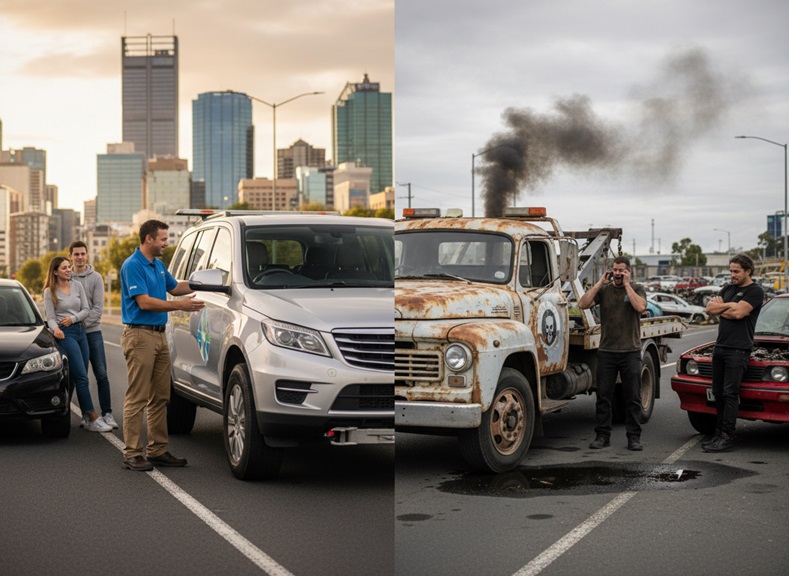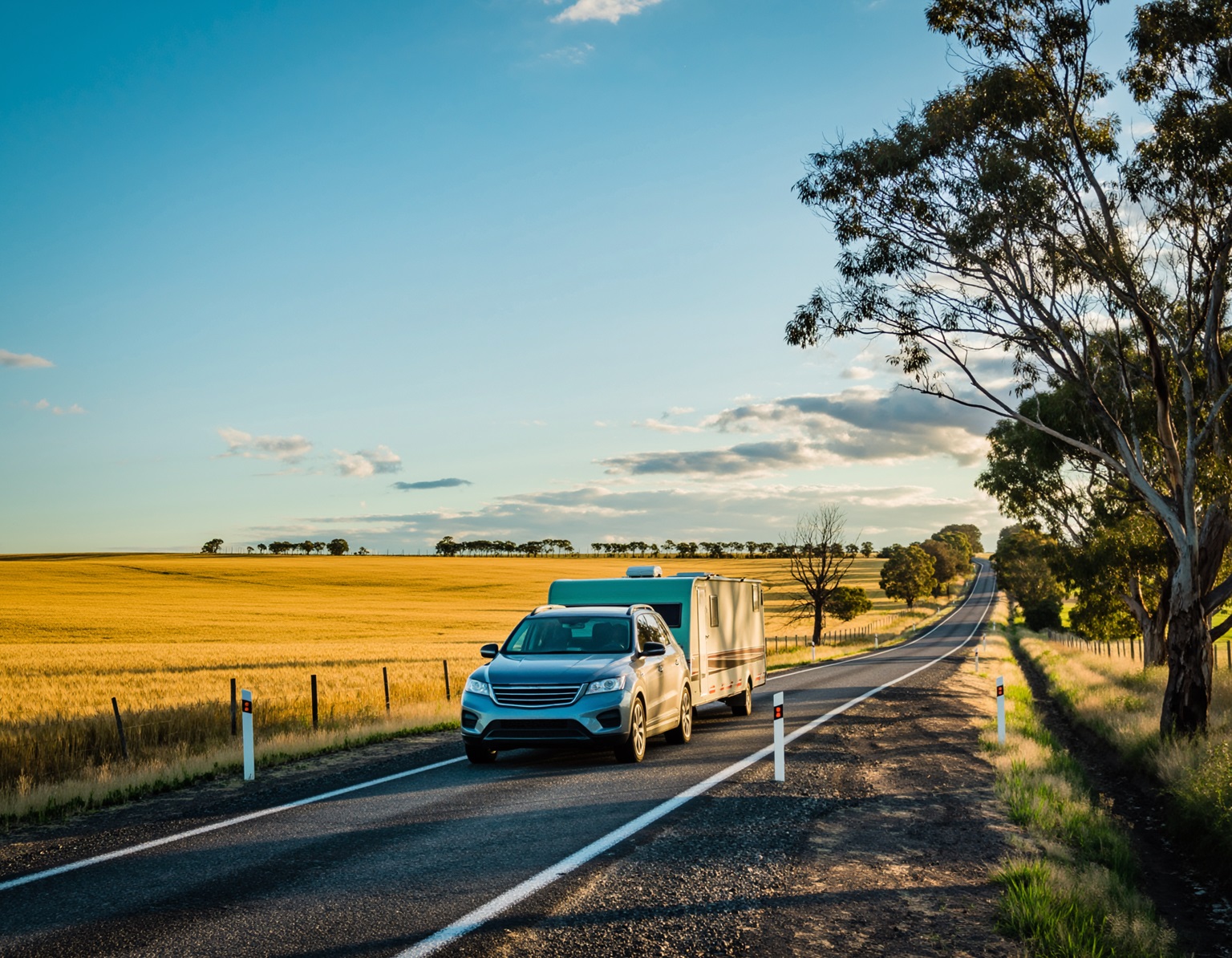
You’ve been planning this trip for months. The route’s mapped, accommodation’s booked, and you’re counting down the days until you hit the road. But what if your car isn’t ready? WA road trips test vehicles in ways city driving never will. The distances are brutal, the heat’s relentless, and help isn’t always around the corner.
That worry is valid. Breakdowns out here aren’t about bad luck – they’re about preparation. The good news is that most problems are preventable. You don’t need mechanical experience to protect your vehicle; you just need a clear car road trip checklist WA drivers can rely on before setting off.
Why WA Conditions Demand Extra Preparation
Your car might handle daily runs around Perth without issue, but a long-distance drive to Broome or Esperance is another story. Prolonged heat, steep climbs, and high speeds put constant stress on engines, brakes, and tyres.
When bitumen radiates 60-degree heat back at your engine bay, cooling systems work overtime. Long stretches between service stations mean even a small fault can become a serious problem fast. Gravel roads and potholes also punish suspension, wheel bearings, and tyres.
A standard service might not be enough. You need targeted checks designed for WA’s conditions – heat, dust, distance, and isolation.
Step 1: Check All Fluids Before Anything Else
Start under the bonnet. Fluids are the lifeblood of your vehicle.
- Engine oil: It should be between the minimum and maximum marks. If it’s dark or gritty, change it before you go. Clean oil protects engine parts under prolonged heat.
- Coolant: Check levels when cold. The liquid should be bright green, orange, or pink. Brown or rusty coolant means your system needs flushing.
- Brake fluid: Should be clear or slightly amber. Dark fluid has absorbed moisture, which increases the risk of brake fade.
- Power steering and washer fluid: Top them up. Driving into the sun on a dusty road without washer fluid quickly becomes unsafe.
Ignoring fluids is one of the most common mistakes before long trips – and one of the easiest to avoid.
Step 2: Inspect Your Tyres Properly
Tyres are where most road-trip failures start. Give them a full inspection.
- Tread depth: Aim for at least 3 mm for remote travel. Shallow tread reduces grip and increases overheating.
- Sidewalls: Look for cracks, bulges, or cuts. Replace any tyre showing visible damage.
- Age: Tyres over seven years old should be replaced even with good tread; WA sun hardens rubber over time.
- Pressure: Check them cold and match the placard inside your door frame. If fully loaded, increase pressure by 3-4 PSI.
- Spare tyre: Make sure it’s inflated and that your jack and wheel brace are in working order.
Good tyres don’t just prevent breakdowns – they also improve fuel efficiency and safety when braking or swerving to avoid wildlife.
Step 3: Test the Battery
A battery that performs fine in Perth can fail halfway to Exmouth. Heat, vibration, and long charging cycles expose weak cells.
Ask for a battery load test at any auto shop. It takes a few minutes and costs little or nothing. Replace borderline batteries before your trip. Check terminals for corrosion and tighten connections securely. Carry jumper leads or a portable jump starter as backup.
Step 4: Listen to Your Brakes
Your brakes should feel firm, not spongy, and they should stop the car evenly without pulling.
Squealing usually means worn pads, while grinding suggests you’ve hit the metal backing. Pulsing through the pedal points to warped rotors. If you notice any of these symptoms, get the system inspected – pads, rotors, and brake fluid all degrade with time and use.
Step 5: Inspect Belts and Hoses
Heat and vibration wear out rubber quickly. Pop the bonnet and check:
- Serpentine belt: Look for cracks, fraying, or glazing. Replace it if worn.
- Hoses: They should feel firm but flexible, not brittle or swollen.
- Joints: Any dried coolant or dark residue indicates a leak.
A failed belt or burst radiator hose can end your trip within minutes and cost far more than a pre-trip replacement.
Step 6: Air Conditioning and Cabin Comfort
Air conditioning in WA isn’t optional. It prevents fatigue and dehydration.
Turn it on full before your trip. If it’s cool rather than cold, get the refrigerant topped up. If it’s not working at all, the compressor or seals may need service. Run the system regularly, even in winter, to keep components lubricated.
Step 7: Pack an Emergency Kit
You can’t predict every situation, but you can prepare for most. Include:
- Jumper leads or a portable jump starter
- Torch or headlamp with spare batteries
- First aid kit
- Drinking water – at least 10 litres per person
- Screwdrivers, pliers, adjustable spanner
- Duct tape, cable ties, tyre gauge, and inflator
- High-vis vest and warning triangle
If something does go wrong, you’ll have the basics to stay safe until help arrives.
Step 8: Schedule a Professional Pre-Trip Inspection
Even with thorough home checks, there are things you won’t see from ground level. A pre-trip checklist Perth mechanics perform includes:
- Suspension, steering, and wheel bearings
- Exhaust and underbody mounts
- Cooling system pressure test
- CV joints and driveline components
A workshop inspection typically takes about an hour and gives you confidence that the car is ready for WA’s roads.
Step 9: The Night Before You Leave
Final checks take just a few minutes but prevent last-minute delays.
- Check tyre pressures again when cold
- Test all lights and indicators
- Clear windscreens and mirrors
- Top up fuel and washer fluid
- Keep your licence, rego, and insurance in the glovebox
- Ensure your emergency kit and spare are easy to reach
When you head off, listen for new noises or warning lights during the first few kilometres. Catching problems early can save the trip.
When Preparation Isn’t Enough
Even well-maintained cars can fail unexpectedly. If you’re stranded or something feels unsafe, stay with your vehicle and contact a professional.
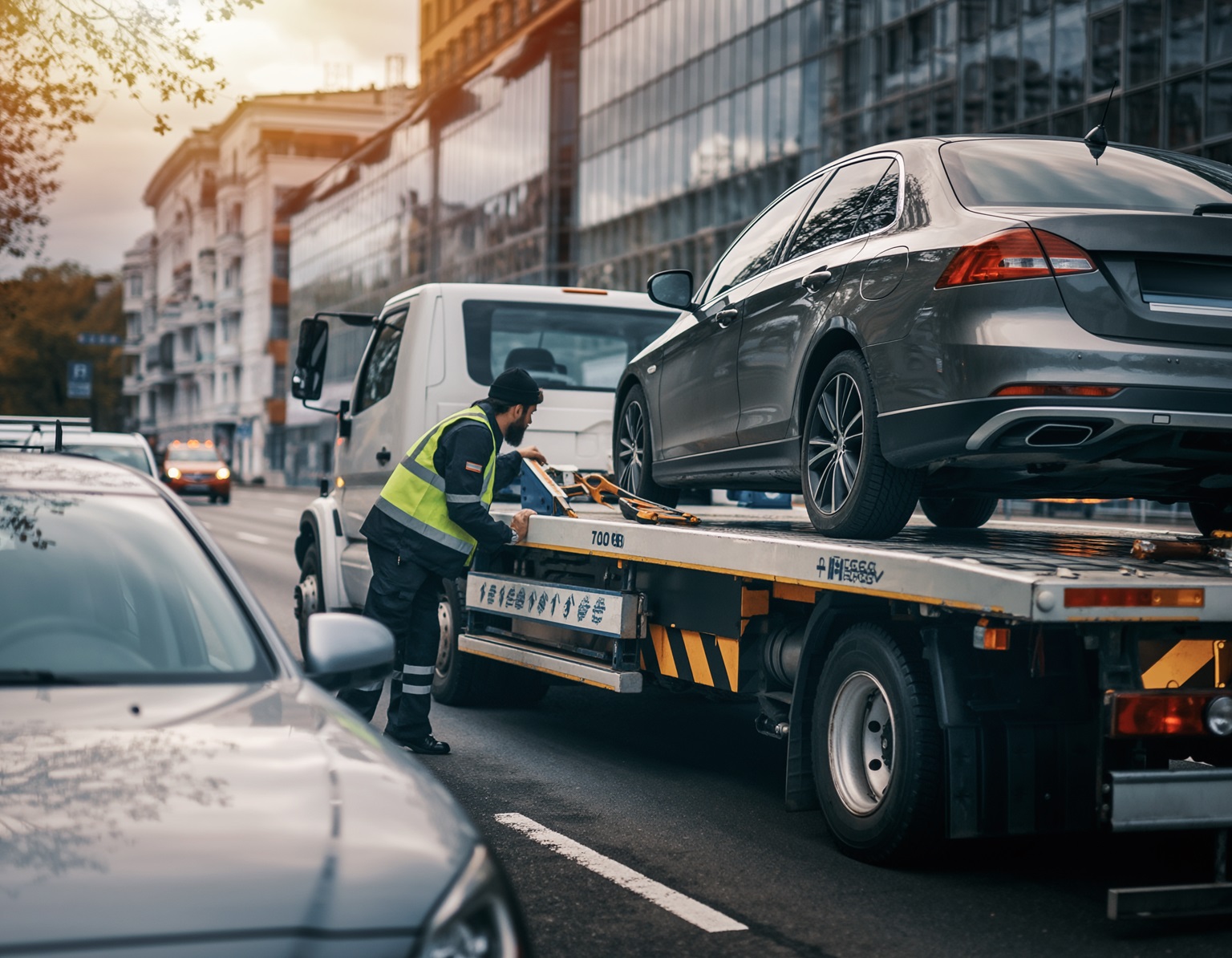
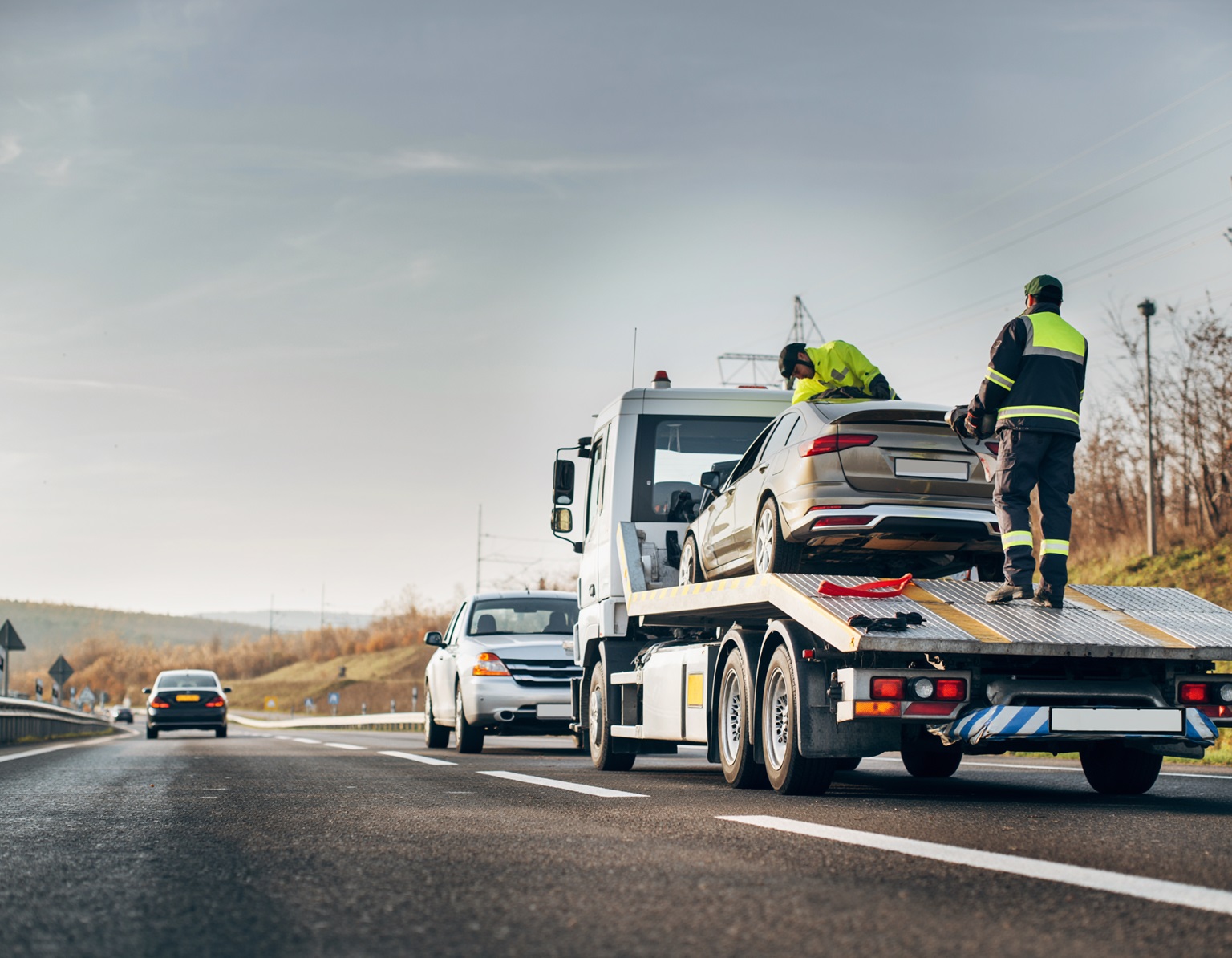
Our roadside assistance team can handle on-the-spot help for flat batteries, tyre issues, and minor breakdowns, while our 24-hour emergency towing ensures you’re never left waiting long in dangerous conditions.
For mechanical faults that need workshop attention, you can rely on our safe car towing services across Perth and regional WA. And if you ever need advice or a quote, simply get in touch with our team.
The Bottom Line
You don’t need a perfect car – you need a reliable one. A bit of preparation now saves hours of frustration later. Check your fluids, tyres, and belts, test your battery, and book that inspection before you go.
WA’s distances are vast, its scenery incredible, and its conditions unforgiving. Preparation is what separates an unforgettable journey from a roadside ordeal.