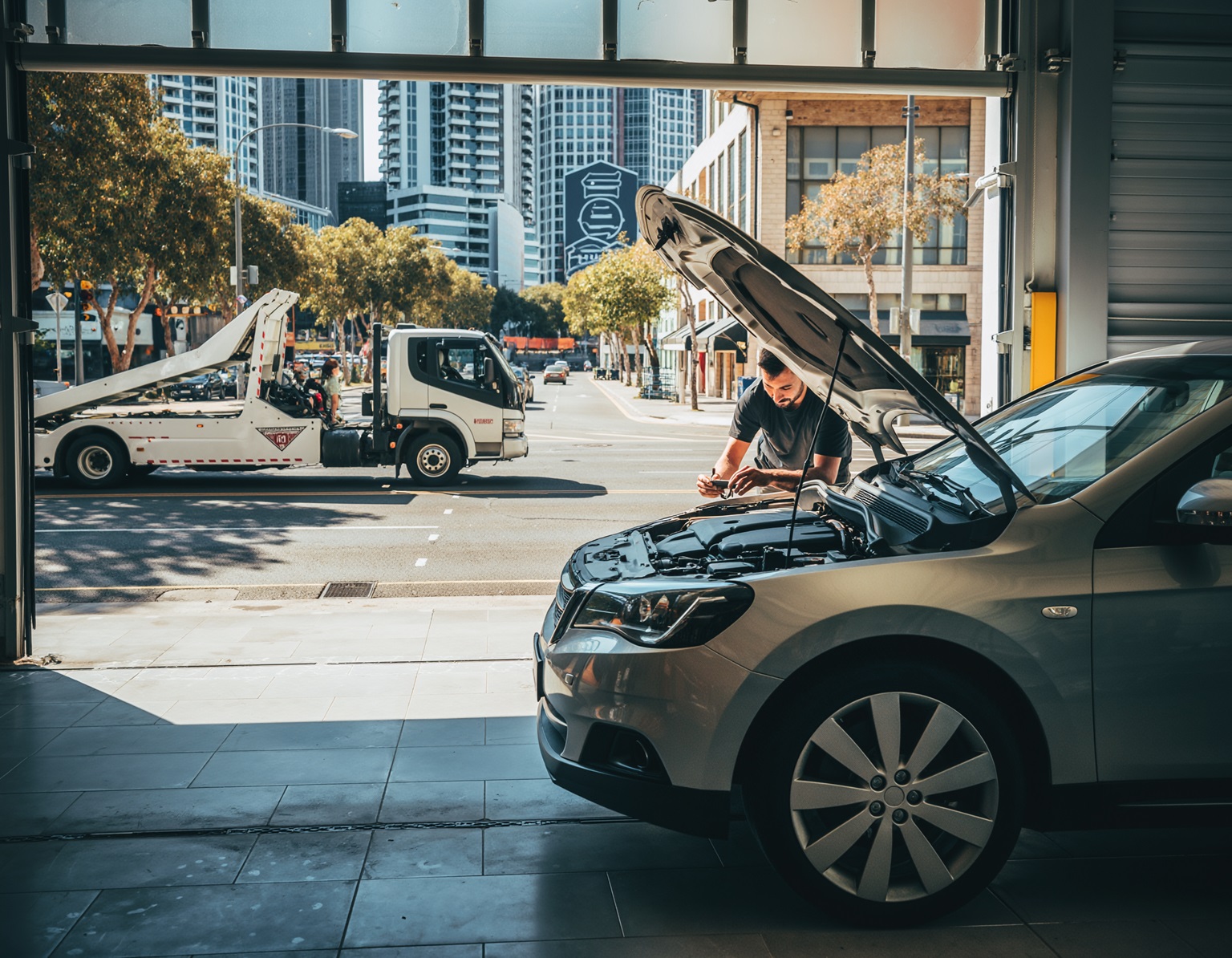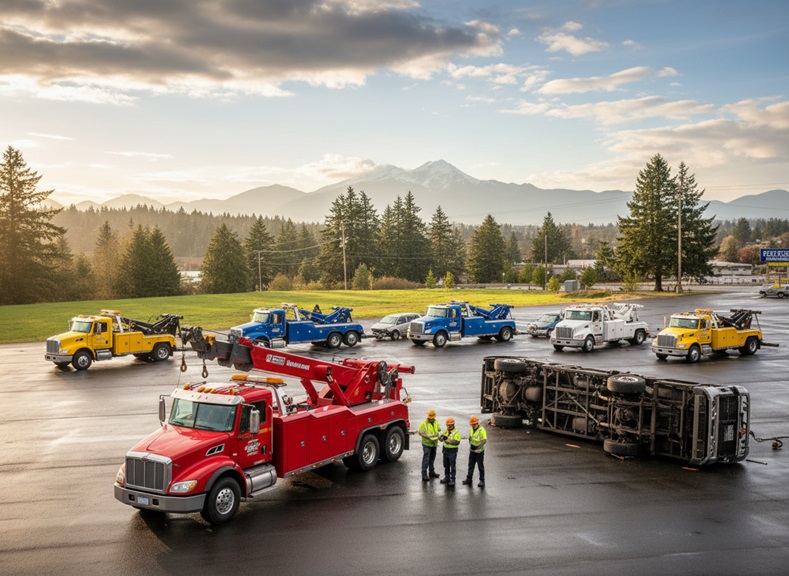
Breakdowns never happen at a good time. Whether you have stopped on the Mitchell Freeway at peak hour or clipped a kerb in Scarborough and the wheel is sitting at an odd angle, the right help matters. Not all tow trucks WA wide are the same, and the wrong choice can add cost, delay, and damage. This guide explains the types of tow trucks WA drivers will encounter, what each one is best for, and how to choose the safest option for your situation.
Flatbed or Tilt Tray Tow Trucks
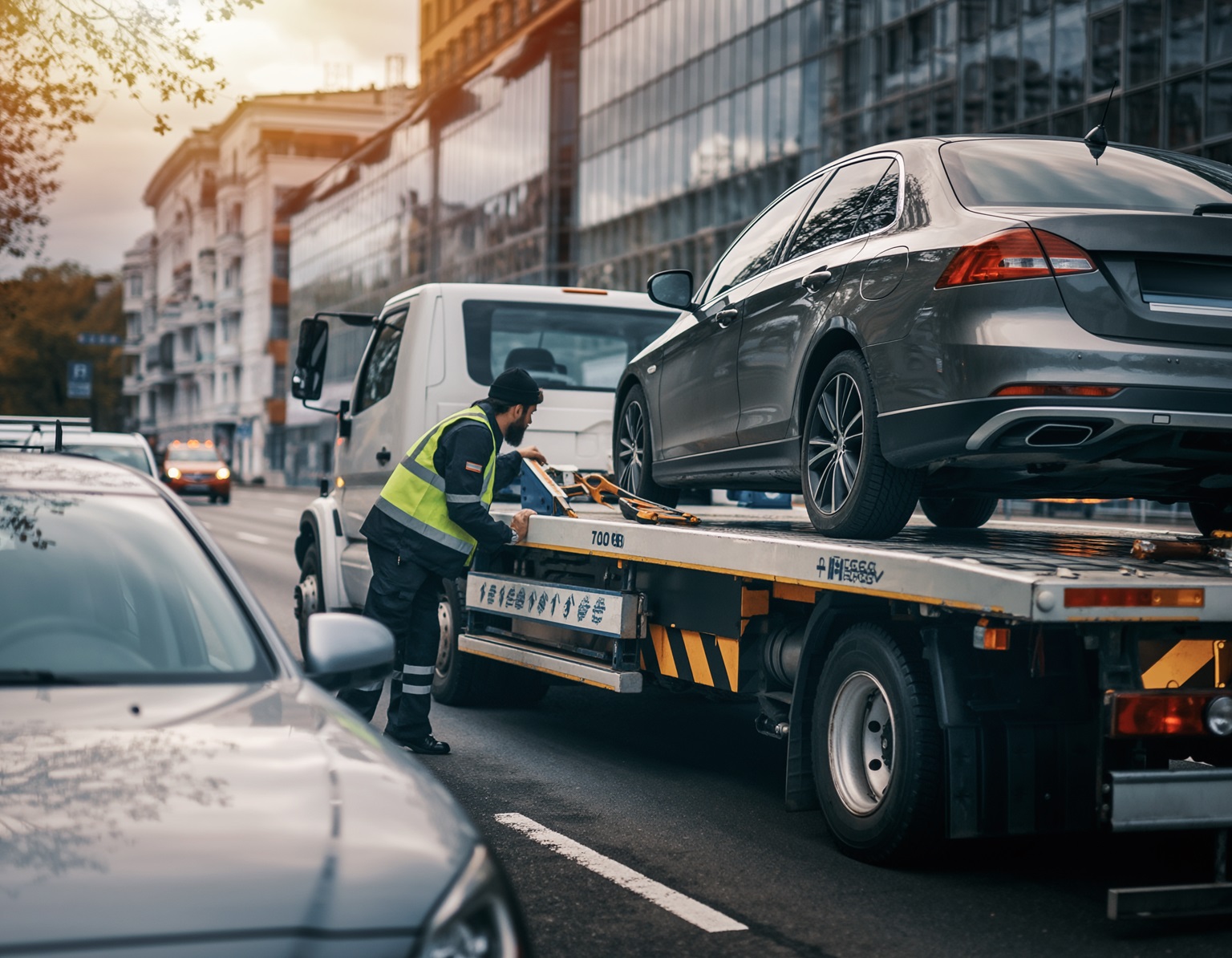
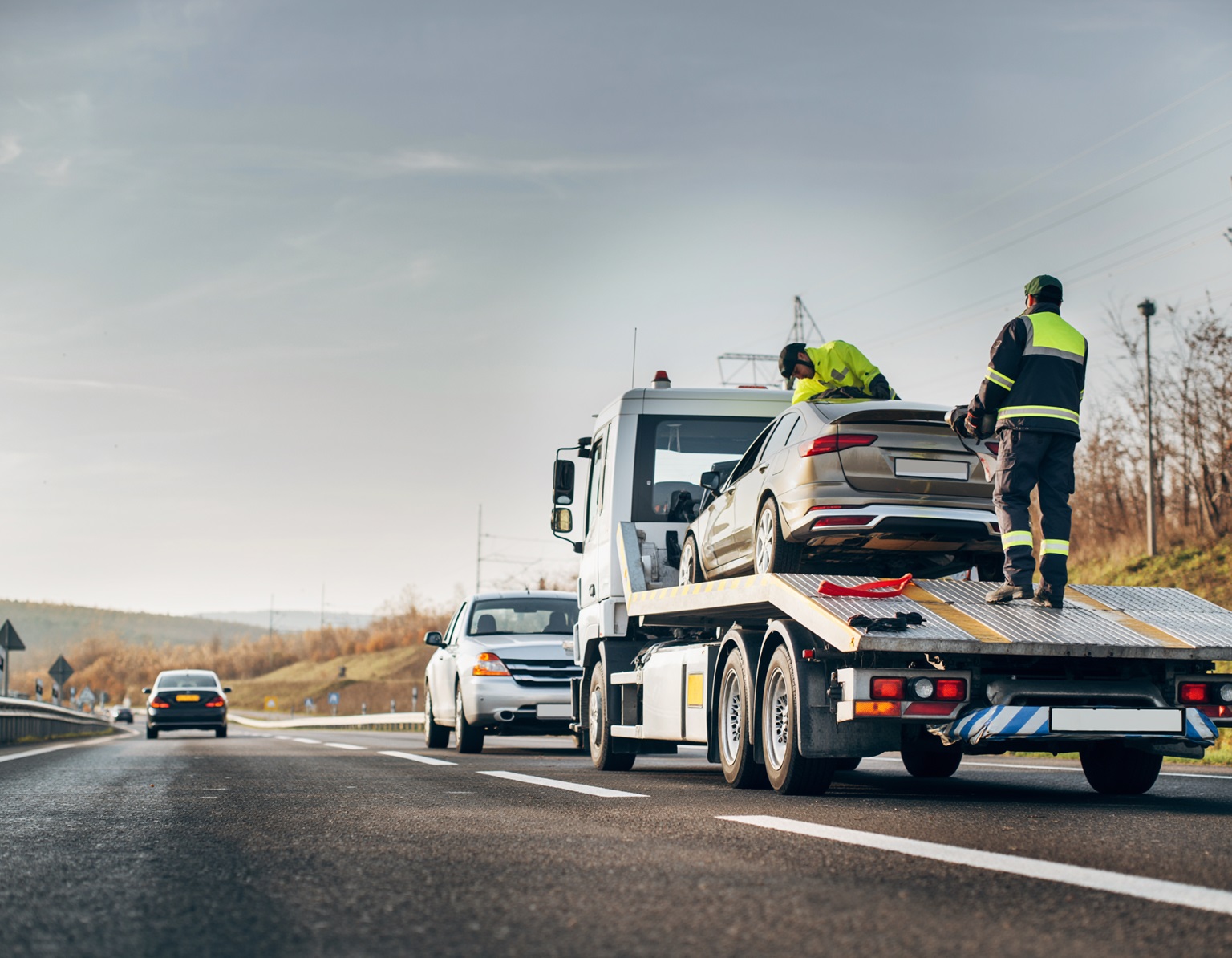
Also called tilt trays or slides, flatbeds use a long platform that tilts to ground level. The vehicle is winched or driven on, secured, and transported with all four wheels off the road.
Best for
- AWD and 4WD vehicles, including Subarus and modern SUVs
- Accident-damaged or non-running vehicles
- Low-clearance or prestige cars where bumper and underbody protection is critical
- Long-distance transport and vehicles with drivetrain faults
Why choose it
- Eliminates transmission and driveline risk
- Reduces tyre and underbody wear during transport
- Provides the safest option for high-value vehicles
If you want a damage-free load for lowered, AWD, or classic vehicles, a tilt tray is the first call. Explore our tilt tray services for details on safe flatbed moves across Perth.
Wheel-Lift Tow Trucks
Wheel-lifts use a metal yoke to raise the front or rear wheels, towing with the other two rolling. They are quick to deploy and ideal in tight urban spaces.
Best for
- Straightforward breakdowns of two-wheel-drive sedans and hatches
- Short-distance moves such as car parks or local transfers
- Clear access where the vehicle rolls freely
Use with caution
- Not suitable for seized drivetrains, broken axles, or AWD vehicles
- Less ideal for low-clearance cars that risk scraping during lift
When the job is simple and time-sensitive, wheel-lifts are efficient. For anything low, luxury, or AWD, ask for a tilt tray instead.
Hook-and-Chain Tow Trucks
Traditional hook-and-chain setups loop under structural points and tow with two wheels on the road. They are now rare for road cars due to increased risk of bumper, suspension, and underbody damage.
Typical use
- Wrecks headed for salvage
- Farm or site machinery where cosmetic condition is not a priority
For everyday vehicles, choose a wheel-lift or tilt tray to prevent secondary damage.
Integrated and Heavy-Duty Tow Trucks
Large incidents and commercial breakdowns call for heavy-duty rigs with additional axles, larger booms, and high-capacity winches.
Best for
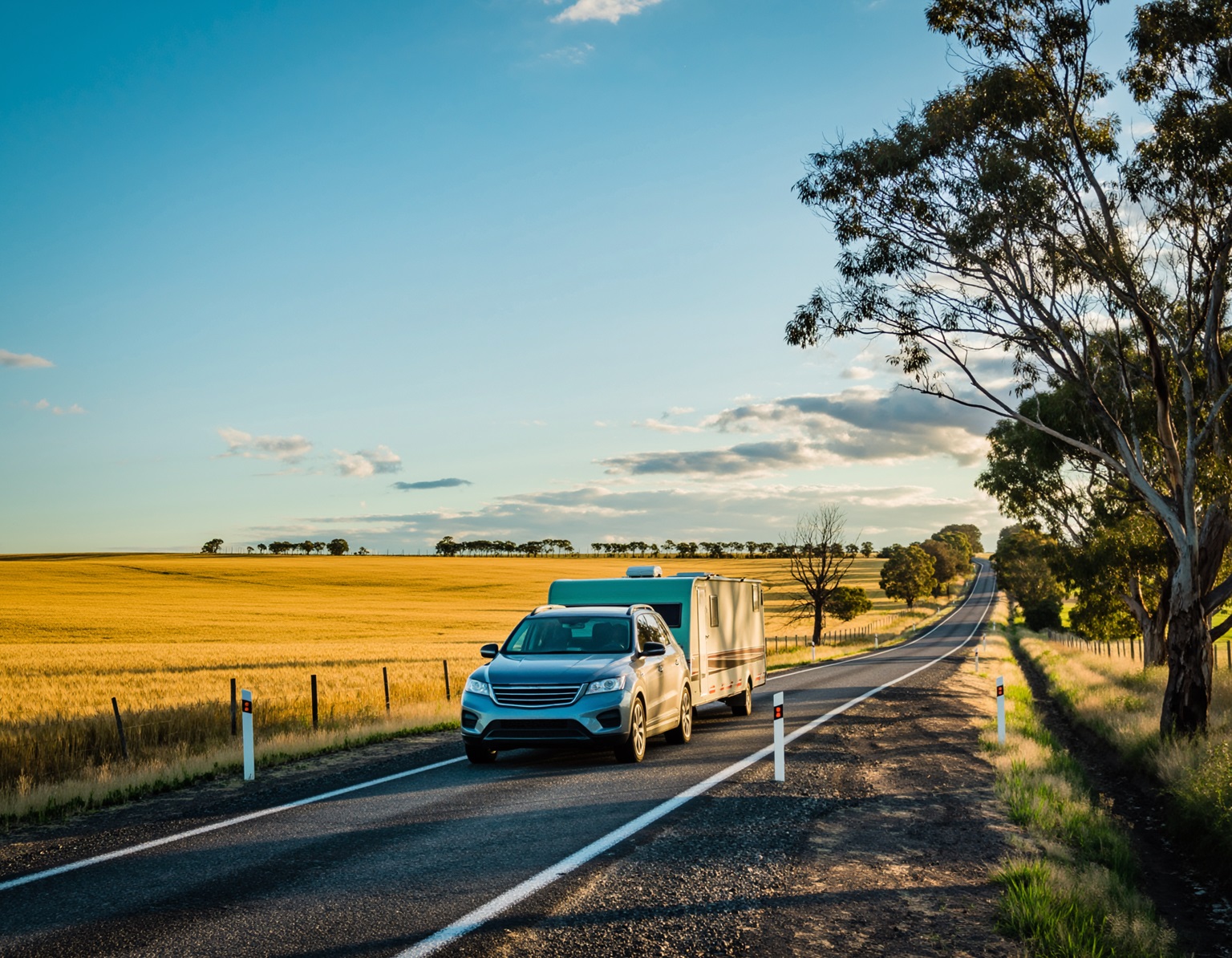
- Trucks, buses, motorhomes, and large vans
- Oversized loads and heavy machinery
- Recoveries that require advanced rigging and complex load management
Heavy-duty towing is specialised work that relies on proper weight distribution, anchor points, and route planning. For commercial or oversized needs, see truck towing services and heavy machinery towing.
Motorcycle and Specialty Transport
Motorbikes require purpose-built chocks, soft straps, and secure tie-down geometry to prevent movement. Specialty towing also covers vintage, kit, and modified vehicles that need tailored loading angles and extra underbody protection.
If you are moving a prestige or classic car, a tilt tray with extended ramps and soft rigging is the safest option. For high-value vehicles, consider prestige car towing.
Which Tow Truck Do You Actually Need
Choose a tilt tray when:
- The vehicle is AWD/4WD, lowered, prestige, or accident-damaged
- There is drivetrain failure or unknown mechanical damage
- You want minimal risk during long-distance transport
Choose a wheel-lift when:
- The vehicle is 2WD, rolls freely, and needs a short urban tow
- Access is tight and the car has normal ground clearance
Choose heavy-duty when:
- You have a truck, bus, motorhome, or oversized load
- The weight or dimensions exceed standard flatbed capacity
Choose motorcycle or specialty transport when:
- You are moving motorbikes, classics, or modified cars that need special gear
Think of it like footwear: a tilt tray is the sturdy boot that protects in tough conditions, a wheel-lift is the runner for quick local moves, and heavy-duty rigs are the steel-caps for major jobs.
WA Conditions That Change the Plan
Western Australia varies from sealed metro roads to soft sand, gravel, and remote tracks. Local conditions affect the safe choice:
- Soft sand and verges: Tilt trays with strong winches prevent digging in and reduce recovery risk
- Gravel and corrugations: Securement and strap condition are critical to prevent load shift
- Distance and heat: Cooling breaks, proper tie-downs, and tyre checks protect the load on long runs
For metro and regional moves, All Out Towing operates across Perth and beyond with the right truck for the terrain.
Safety and Cost: Why the Right Truck Matters
Using the wrong method can damage drivetrains, differentials, suspension, and underbodies. That might turn a small repair into a major claim. There is also time risk: if the wrong truck arrives, you wait again while the correct unit is dispatched. Choosing correctly at the start protects both your vehicle and your schedule.
How to Brief Your Tow Operator
To help send the right truck first time, share:
- Make, model, year, and whether it is 2WD, 4WD, or AWD
- Ground clearance or any lowering kits/body kits
- The fault if known: accident damage, no drive, locked wheels, flat battery, or fluid loss
- Location context: verge, freeway shoulder, sand, car park, low-height access
If you only remember one thing, make it this: AWD and low vehicles belong on a tilt tray.
When You Need More Than a Tow
Not every call requires transport. Many issues can be resolved roadside with jump starts, tyre changes, or emergency fuel. If a simple fix is safer and faster, it should be offered first. See roadside assistance for quick on-the-spot help.
Professional Help When You Need It
When you are ready, our team at All Out Towing will ask the right questions, match the correct truck, and handle the load with damage-minimising techniques. For urgent jobs any time, contact our 24 hour team. We will provide clear ETAs, transparent pricing, and careful handling from pickup to drop-off.