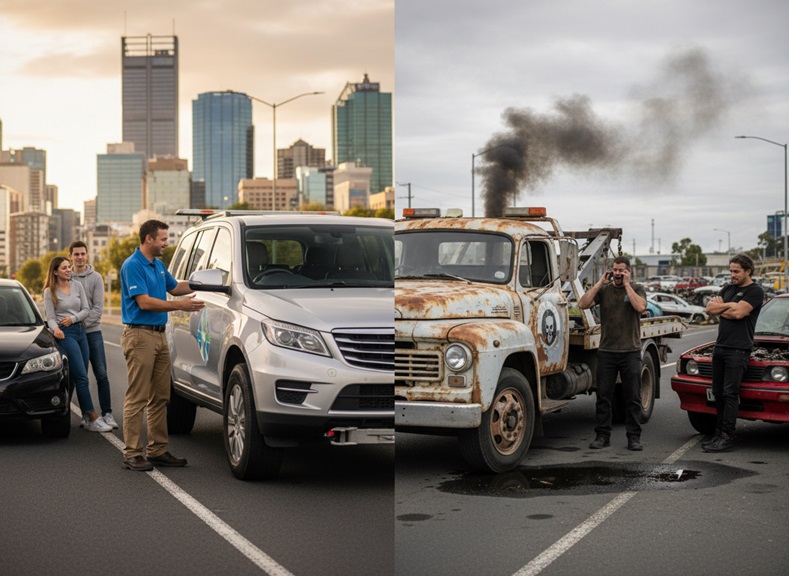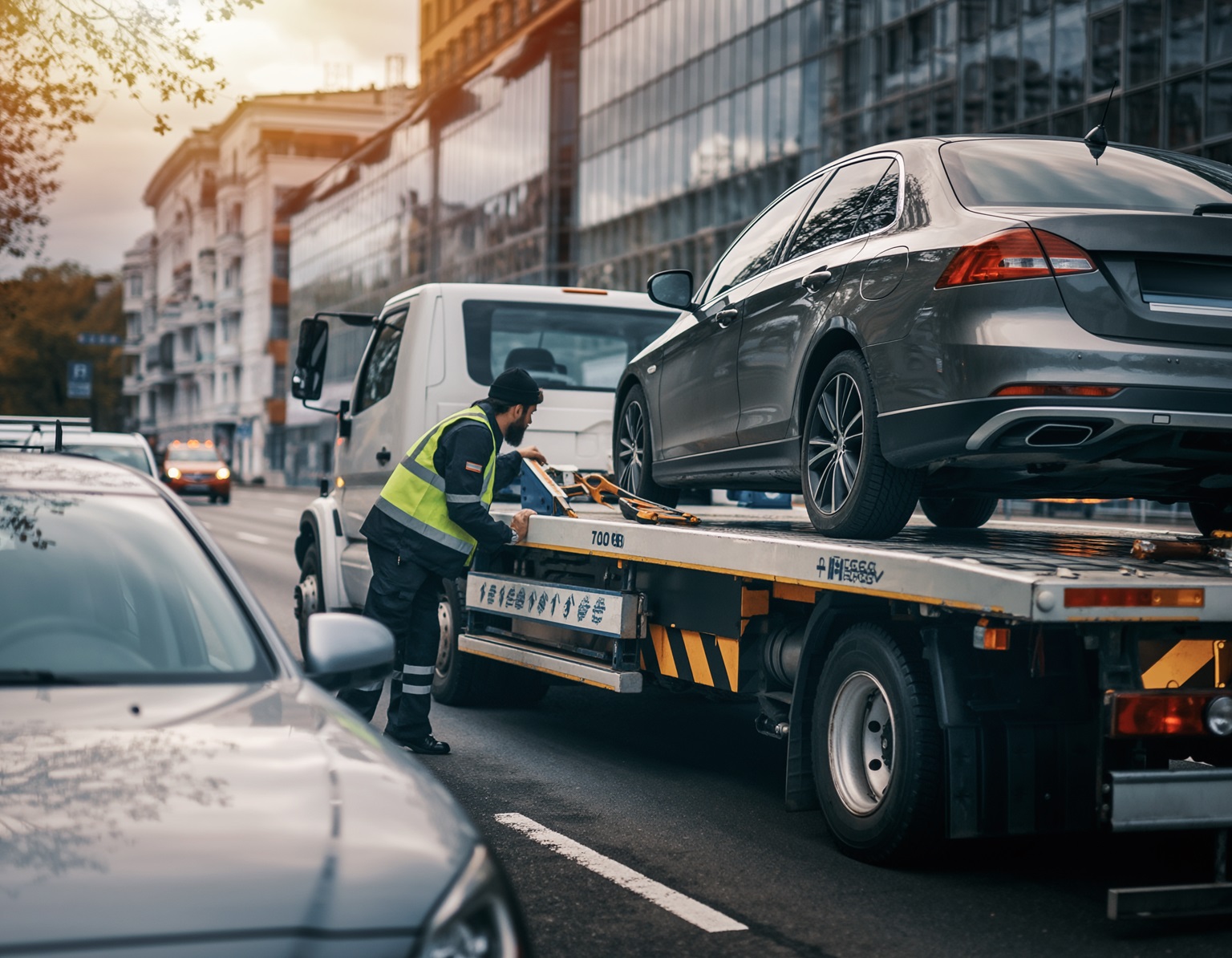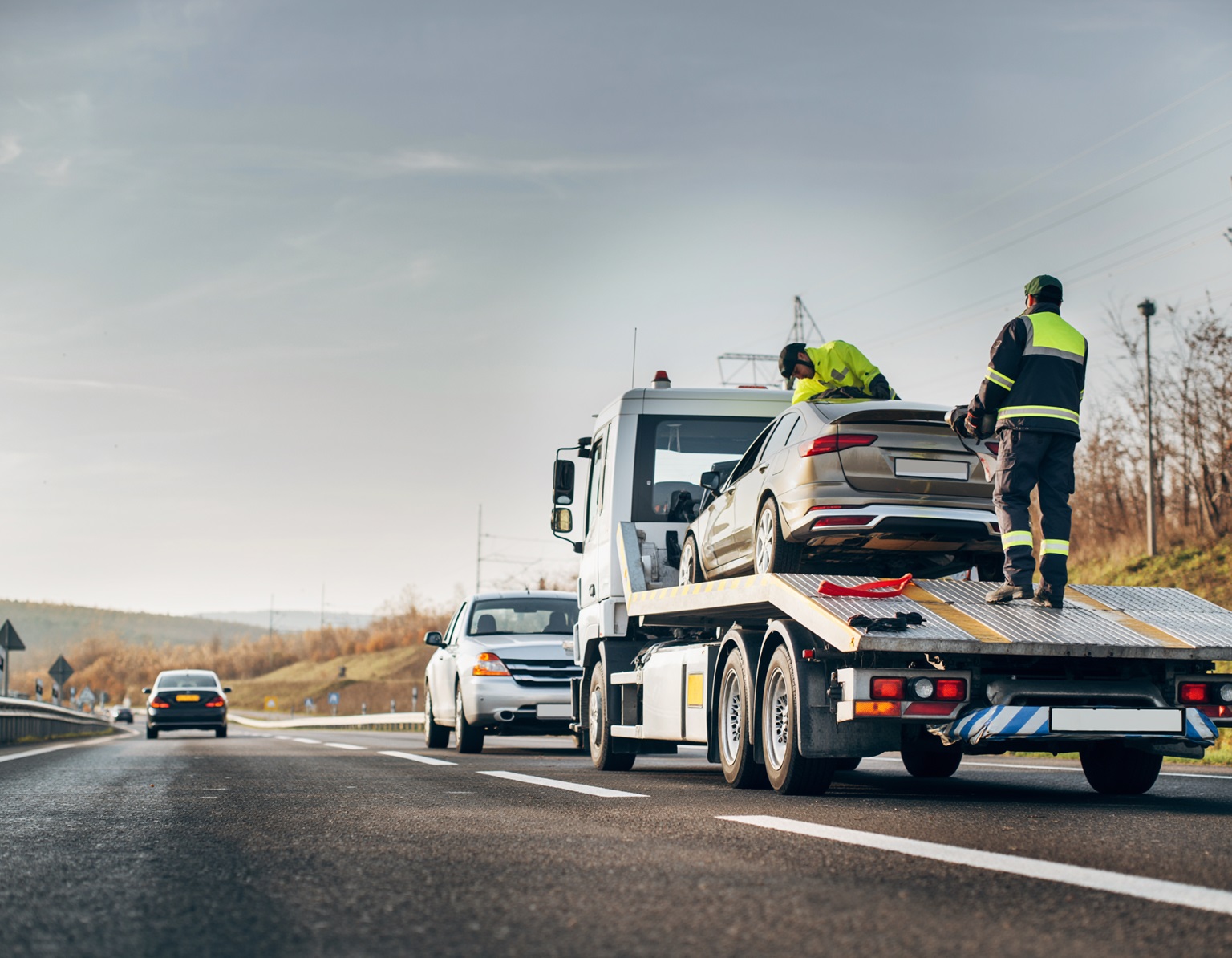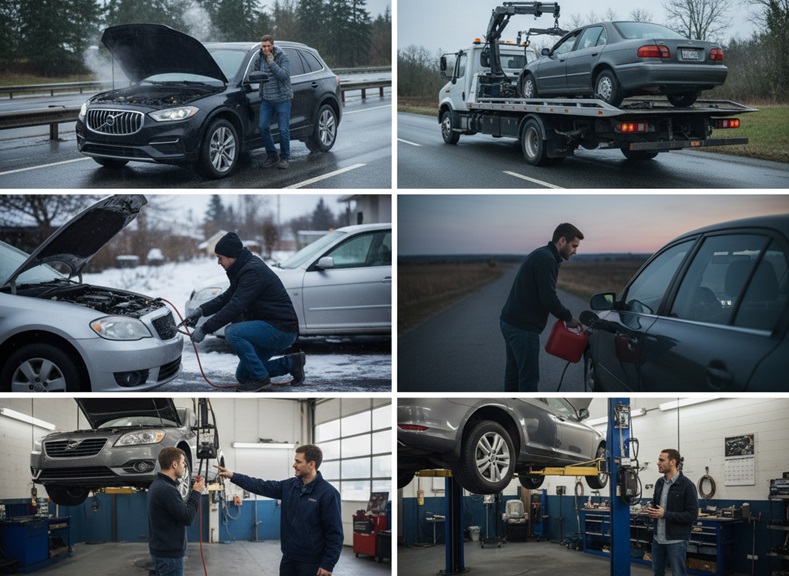
Breakdowns in WA often strike at the worst time, but most are preventable. Understanding the car breakdown causes WA drivers face – and acting on early warning signs – keeps you off the shoulder and on schedule. The tips below explain what fails most in our climate, why it happens, the symptoms to watch, and practical breakdown prevention WA steps you can take today.
Battery Failures
Hot WA summers accelerate battery wear. Heat speeds up chemical reactions, evaporates electrolyte, and shortens battery life. Short, stop-start trips make it worse because the alternator never gets long enough to fully recharge.
Warning signs
- Slow cranking on start
- Headlights dim at idle but brighten when revved
- Electrical accessories cut out under load
What to do
- Test the battery annually before summer
- Replace at 3 years old or earlier if cranking slows
- Take a 20 minute highway drive weekly if you mainly do short trips
- Park in shade where possible
Analogy: Treat your battery like a reusable water bottle. If you sip all week and never refill properly, it will run dry when you need it most.
Overheating Engines and Cooling System Issues
High ambient temperatures and long distances push cooling systems hard. Old coolant, minor leaks, blocked radiators, worn pumps, or a sticking thermostat quickly turn into overheating on a 40 degree day.
Warning signs
- Temperature gauge creeping higher than normal
- Sweet smell or steam after stopping
- Heater blowing cold when it should be warm
What to do
- Check coolant level monthly when the engine is cold
- Flush and refill coolant every 2 to 3 years
- If the gauge rises, pull over safely and switch off
- Arrange roadside assistance or a tow rather than risking engine damage
Tyre Problems and Blowouts
Heat changes tyre pressure and WA roads can be unforgiving. Underinflated tyres overheat and can fail. Overinflated tyres wear unevenly and are vulnerable to pothole damage.
Warning signs
- Vibration or thumping at speed
- Visible cuts, bulges, or embedded objects
- Uneven tread wear patterns
What to do
- Check pressures monthly when tyres are cold, including the spare
- Inspect tread and sidewalls often and rotate on schedule
- Replace when tread reaches wear indicators
- Do not drive on a flat. If you cannot change it safely, request safe car towing services
Fuel System Issues and Running Out
Running out of petrol or diesel still happens frequently. Diesel systems are particularly sensitive because fuel also lubricates pumps and injectors. Blocked filters, weak pumps, or contaminated fuel cause rough running and stalling.
Warning signs
- Hard starting or hesitation on acceleration
- Engine surging at steady speeds
- Recent fill followed by immediate rough running
What to do
- Refuel by one quarter tank rather than gambling on the light
- Replace fuel filters per schedule
- If you run out, avoid repeated cranking and call for help
- Choose reputable servos to reduce contaminated fuel risk
Alternator and Electrical Failures
The alternator charges the battery and powers vehicle electronics. Heat and dust can wear bearings and stress the voltage regulator, especially on country or unsealed roads.
Warning signs
- Battery warning light while driving
- Dimming headlights or slow power windows
- Whining or grinding from the front of the engine
What to do
- Test alternator output if the battery light appears
- Reduce electrical load and head to a workshop if safe
- If the engine dies after a jump start, suspect the alternator and arrange a tow
Simple Prevention That Works
Monthly five minute check
- Oil, coolant, brake fluid, washer fluid
- Tyre pressures and tread
- Battery terminals clean and tight
Service discipline
- Follow the logbook schedule
- Fix new noises, smells, or warning lights promptly
- Keep a basic roadside kit: reflective triangle, vest, torch, water
Planning ahead
- Save All Out Towing in your phone so help is one tap away
First mention link: All Out Towing
What To Do When Prevention Is Not Enough
Even well maintained vehicles can fail. Prioritise safety first.
- Move to a wide shoulder or emergency bay if the vehicle still drives
- Use hazard lights immediately and set a reflective triangle where safe
- On high speed roads, staying belted inside can be safer than standing outside
- If you need help right now, our 24 hour emergency towing is available across Perth
- Unsure whether to keep driving with a rising temperature gauge? Do not risk it. Arrange roadside assistance or a tow
Why Acting Early Saves Money
Small issues become expensive failures when ignored. A weak battery strains the alternator. Low coolant leads to head gasket damage. Thin tyres turn into blowouts. Acting on the first sign typically costs less than an emergency repair. Why wait for a breakdown when a quick check today avoids a tow tomorrow?
Ready When You Need Us
If you are already stranded, we will get you moving safely. Our team provides our 24 hour emergency towing, roadside assistance, and towing your car in Perth with clear communication and careful handling. If you need a hand now, get in touch and we will organise the safest solution.