Motorcycles aren’t cars. They can’t be dragged onto a flatbed with a winch cable alone, and they definitely shouldn’t be strapped down like furniture. A bike’s suspension, frame geometry, and weight distribution demand a completely different approach, one that most general towing operators simply don’t understand or recognise.
We’ve witnessed the aftermath of rushed motorcycle recoveries: cracked fairings, bent forks, snapped handlebars, and damaged fuel tanks. These aren’t just cosmetic issues. They’re expensive repairs that could’ve been avoided with the right equipment and technique. The difference between professional care and amateur improvisation shows immediately in your motorcycle’s condition upon delivery.
Perth’s northern suburbs present unique challenges for motorcycle riders. Marmion Avenue runs narrow along the coast with heavy traffic creating constant pressure for stranded riders. Wanneroo Road creates a high-speed corridor where breakdown lanes offer minimal protection from passing vehicles travelling at 80-100 kilometres per hour. Remote areas like Yanchep and Two Rocks leave riders genuinely stranded without nearby mechanical assistance or safe waiting locations.
If you’re in Perth’s northern suburbs, Joondalup, Wanneroo, Butler, Yanchep, or anywhere along Marmion Avenue, and your bike’s broken down, been in an accident, or needs transport, you need a towing service that treats your motorcycle like the precision machine it is. Not like a lawnmower. All Out Towing understands these requirements and provides motorcycle towing in Perth that protects your investment from unnecessary damage.
Why Motorcycles Demand Specialised Towing Equipment
Think of a motorcycle like a high-performance athlete. It’s built for balance, agility, and speed, not for being hauled sideways or suspended by a single point. Unlike a car with four wheels and a rigid chassis, a bike’s weight concentrates in the engine and frame, and its tyres are narrow. That makes it unstable when stationary, and even more vulnerable during transport.
Standard tow trucks aren’t designed for motorcycles. A hook-and-chain setup can damage the frame through concentrated pressure points that motorcycle construction never anticipated. A wheel-lift mechanism designed for cars will crush the front forks when applied to components built for vertical compression during riding, not horizontal lifting force. Even a basic flatbed without proper anchoring points can lead to a bike tipping over mid-transport, causing catastrophic damage.
How Standard Equipment Damages Motorcycles
Hook towing lifts the front wheel whilst leaving the rear on the ground. This configuration damages steering bearings not designed for suspended weight. The loading angle scrapes fairings and exhaust systems against the deck surface. Furthermore, bikes become unstable with only one wheel supporting their mass, risking catastrophic tips during transport that can bend frames and crack engine casings.
Wheel-lift mechanisms concentrate pressure on fork tubes and triple clamps. The force transfers through components designed for vertical compression, not lateral stress. Consequently, fork tubes bend, hydraulic seals rupture, and internal damage occurs before the bike even leaves the breakdown site. These failures often manifest weeks later when oil leaks become apparent and handling deteriorates significantly.
Purpose-Built Motorcycle Transport Solutions
Professional secure bike transport in Perth uses equipment manufactured specifically for two-wheeled vehicles. Soft loop straps distribute pressure across frame rails without scratching paint or damaging delicate components. Wide, fleece-lined surfaces protect chrome and fairings from the marking that metal chains and hooks inevitably cause.
Wheel chocks hold the front tyre upright without requiring rider balance or external support. These padded cradles prevent forward and backward movement whilst the bike remains stable throughout loading and transport. The design accommodates different tyre widths from sport bikes to cruisers without modification, ensuring universal compatibility across motorcycle types.
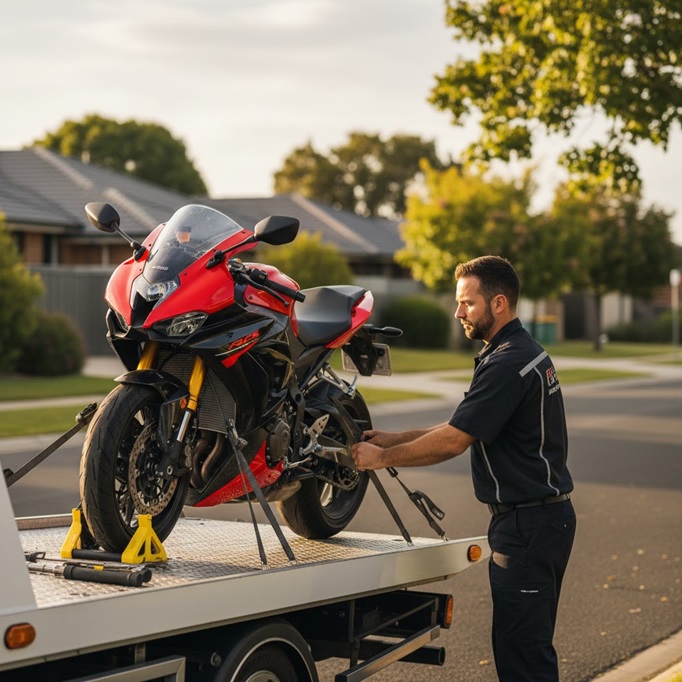
That’s why experienced operators deliver professional tilt tray services that keep all wheels off the ground during transport, preventing drivetrain damage that commonly occurs with hook towing methods. Our tilt tray trucks allow the deck to lower completely flat to ground level, eliminating steep ramps that risk belly pan scrapes or balance loss. Bikes wheel straight onto the platform without lifting, tilting, or navigating precarious angles that threaten expensive bodywork.
Why Loading Angles Matter for Different Bike Types
Sport bikes sit low with minimal ground clearance. Their aerodynamic fairings extend below the frame, and underslung exhausts protrude toward the road. Standard loading ramps create angles that drag these components across metal surfaces, causing immediate and expensive damage that insurance rarely covers as “transport-related.”
Cruisers present opposite challenges with their long wheelbases and heavy touring equipment. Highway pegs, saddlebags, and wide fairings extend well beyond the frame’s footprint. Loading these bikes requires straight, level approaches that accommodate their dimensions without forcing contact with deck edges or side rails. Additionally, the substantial weight of fully-dressed touring bikes demands proper weight distribution throughout the loading process.
Damage Risks From Improper Motorcycle Transport
Recovery methods that work adequately for cars create specific, predictable damage patterns when applied to motorcycles. Understanding these risks explains why professional motorcycle towing in Perth costs less than amateur attempts that seem initially cheaper but result in repair bills exceeding proper service charges.
Suspension and Fork Damage
Front suspension systems compress during normal riding as tyres absorb road irregularities. The travel distance has designed limits that protect internal components from excessive force. Over-tightening tie-down straps compresses suspension beyond these safe parameters, bending fork tubes and rupturing hydraulic seals that cost hundreds of dollars to replace.
Damaged fork seals leak oil gradually, reducing suspension performance until complete failure occurs. The damage often goes unnoticed initially, manifesting weeks later as reduced handling quality and safety concerns during cornering. Proper securing compresses suspension approximately 30 percent, maintaining stability without exceeding design limits or causing permanent damage.
Frame Stress and Structural Damage
Motorcycle frames use different materials and construction methods than car chassis. Aluminium frames in sport bikes flex intentionally during cornering but crack under point-load pressure from incorrect tie-down locations. Steel frames in cruisers resist bending but weld joints fail when stressed at angles the designers never intended.
Attaching straps to handlebars transfers force through steering components into the frame at vulnerable connection points. Bodywork and plastic fairings compress inward, cracking paint and creating stress fractures that compromise structural integrity. Professional operators anchor straps to reinforced frame sections specifically designed to withstand securing forces without permanent deformation.
Cosmetic Damage to Paint and Chrome
Metal hooks and chains leave permanent scratches across painted surfaces and chrome components. Even padded hooks concentrate pressure into small contact areas that mark softer materials like aluminium and plastic. Fairings crack when pressure points exceed their structural capacity, and fuel tanks dent when bikes shift during transport over rough road surfaces.
Custom paint, powder coating, and show-quality finishes require additional protection beyond standard methods. The investment riders make in appearance deserves corresponding care during transport. Damage-free motorcycle transport uses multiple contact points with distributed pressure that maintains surface integrity throughout the journey.
Tyre and Wheel Complications
Motorcycle tyres use softer compounds than car tyres for improved grip during cornering. Extended compression from over-tightened straps creates flat spots that affect handling and ride quality. The damage becomes permanent when bikes remain secured for hours without proper support distribution across the tyre’s contact patch.
Wheel bearings experience abnormal loading when bikes tilt sideways during transport. The lateral forces differ significantly from normal riding stresses, potentially causing bearing damage that manifests as wheel wobble or noise. Keeping bikes upright and stable prevents these complications entirely whilst ensuring safe, damage-free delivery.
Professional Motorcycle Securing Process
Thousands of motorcycle recoveries across Perth’s northern suburbs have refined our securing process into a systematic approach that eliminates damage risk whilst maintaining efficiency. Each step addresses specific vulnerabilities that amateur methods overlook or underestimate.
Initial Assessment and Planning
Before touching your motorcycle, operators assess its position and condition comprehensively. Is the bike upright or on its side? Are fluids leaking from damaged cases or hoses? Is the steering locked in position? These observations determine the appropriate approach for safe loading without causing additional complications or worsening existing damage.
Damaged bikes from accidents require different handling than mechanical breakdowns. Bent forks affect steering stability during loading and need extra support. Cracked fairings need additional padding at contact points to prevent further separation. Fuel leaks demand immediate containment before transport begins to protect the environment and prevent fire hazards. Professional assessment identifies these factors immediately through years of experience.
Tilt Tray Positioning for Safe Loading
Our secure bike transport in Perth begins with proper truck positioning that prioritises safety over speed. The tilt tray lowers completely flat to ground level, creating a gradual transition rather than a steep ramp that risks scraping or tipping. This positioning matters especially for sport bikes with limited ground clearance and lowered suspension setups that sit mere centimetres from the road.
The flat approach accommodates bikes that won’t roll due to seized engines or locked brakes. Winching becomes safer when the angle stays minimal, reducing the force required and the stress placed on damaged components. Operators maintain full control throughout the loading process, preventing sudden movements that could cause additional damage.
Wheel Chock Installation and Bike Positioning
The front wheel slots into a padded chock designed specifically for motorcycle tyre widths. This device holds the bike upright without manual support, critical for solo operators managing heavy touring bikes or unstable sport bike geometries that balance precariously when stationary. The chock prevents forward and backward movement during the securing process and throughout transport.
Bikes position centrally on the deck with adequate clearance from side rails and rear equipment. This placement prevents contact damage during transport and allows proper strap angle application that distributes force evenly. Centre positioning also maintains optimal weight distribution for the towing vehicle, ensuring stable handling during the journey to your destination.
Soft Loop Strap Application
Wide, soft-coated straps attach to reinforced frame sections rather than handlebars or bodywork that can’t withstand securing forces. Two straps secure the front, connecting to the fork tubes or triple clamps at 45-degree angles that pull forward and downward simultaneously. This configuration compresses the front suspension slightly whilst maintaining lateral stability.
One or two rear straps anchor to the subframe or swingarm, pulling straight backward to complete the triangulated support system. The combination prevents lateral movement in all directions without over-compressing components beyond their design limits. Strap tension receives careful calibration to provide security without excessive force that damages seals or bends tubes.
Suspension Compression and Final Checks
Proper suspension compression maintains approximately 30 percent travel, enough to lower the centre of gravity and reduce bounce during transport. The suspension retains movement capability rather than bottoming out completely, protecting seals and internal components from damage that would require expensive repairs.
Final stability checks involve gently rocking the motorcycle to verify secure attachment without excessive rigidity. The bike should resist movement in all directions whilst the suspension maintains slight give, not locked rigid like a vice. This balance ensures safe transport over Perth’s varied road conditions without damage risk from potholes or speed humps.
Additional Protection for High-Value Motorcycles
Sport bikes with extensive fairings, classic motorcycles with original paint, and custom builds receive extra padding at all contact points. Protective material prevents even minimal marking during transport over rough roads. For maximum protection, covered transport options shield bikes from road debris, weather exposure, and environmental contaminants that can damage finishes.
Immediate Actions During Motorcycle Breakdowns
Breakdown situations create stress that sometimes leads to poor decisions. Understanding the correct response sequence protects both rider safety and motorcycle condition whilst professional assistance travels to your location.
Prioritising Personal Safety
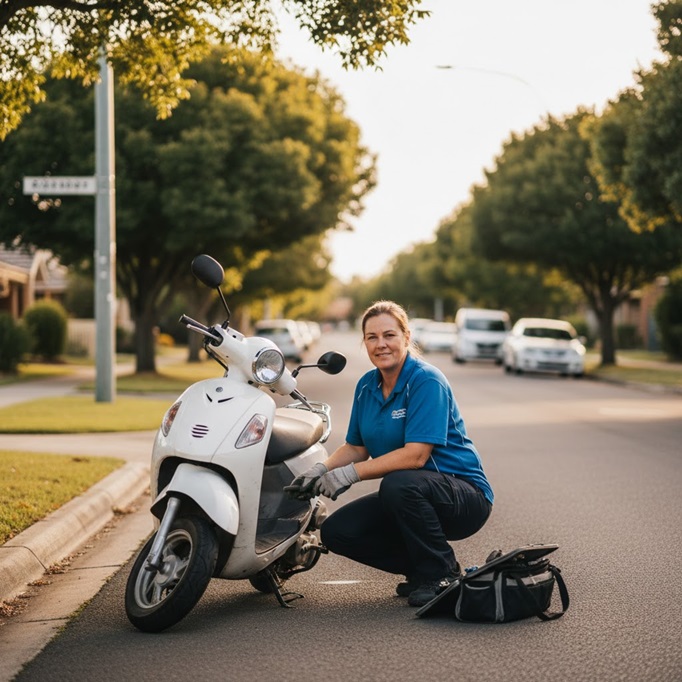
Moving to a safe location takes absolute priority over motorcycle protection. If possible, push your bike onto the verge, behind barriers, or into parking areas away from traffic flow. Wanneroo Road and Marmion Avenue carry high-speed traffic with minimal breakdown protection, making immediate relocation essential for personal safety.
Activate hazard lights if your motorcycle’s electrical system still functions. Position yourself away from traffic lanes where approaching vehicles can see you clearly without creating additional hazards. High-visibility gear improves your visibility to drivers who may not expect roadside activity in certain locations, particularly during dusk or dawn periods.
Why DIY Towing Attempts Cause Damage
Tying your motorcycle to a ute with rope creates multiple failure points that risk both vehicles. Bikes don’t track straight when towed because their narrow tyres follow road irregularities that four-wheeled vehicles ignore. The inevitable weaving damages transmission components and rear wheel bearings whilst creating dangerous situations for both vehicles and surrounding traffic.
Improvised loading onto trailers or ute trays often results in dropped bikes, bent levers, and cracked fairings. The temptation to save immediate costs by borrowing equipment from friends seems reasonable until you calculate repair expenses from damage during amateur transport attempts. These costs typically exceed professional service charges by substantial margins.
Contacting Professional Motorcycle Recovery
When you contact our team for motorcycle towing in Perth, provide your exact location, bike make and model, and the nature of your breakdown. GPS coordinates work exceptionally well in remote areas where street addresses don’t exist or prove difficult to describe. This information helps us dispatch appropriate equipment and arrive prepared for your specific situation.
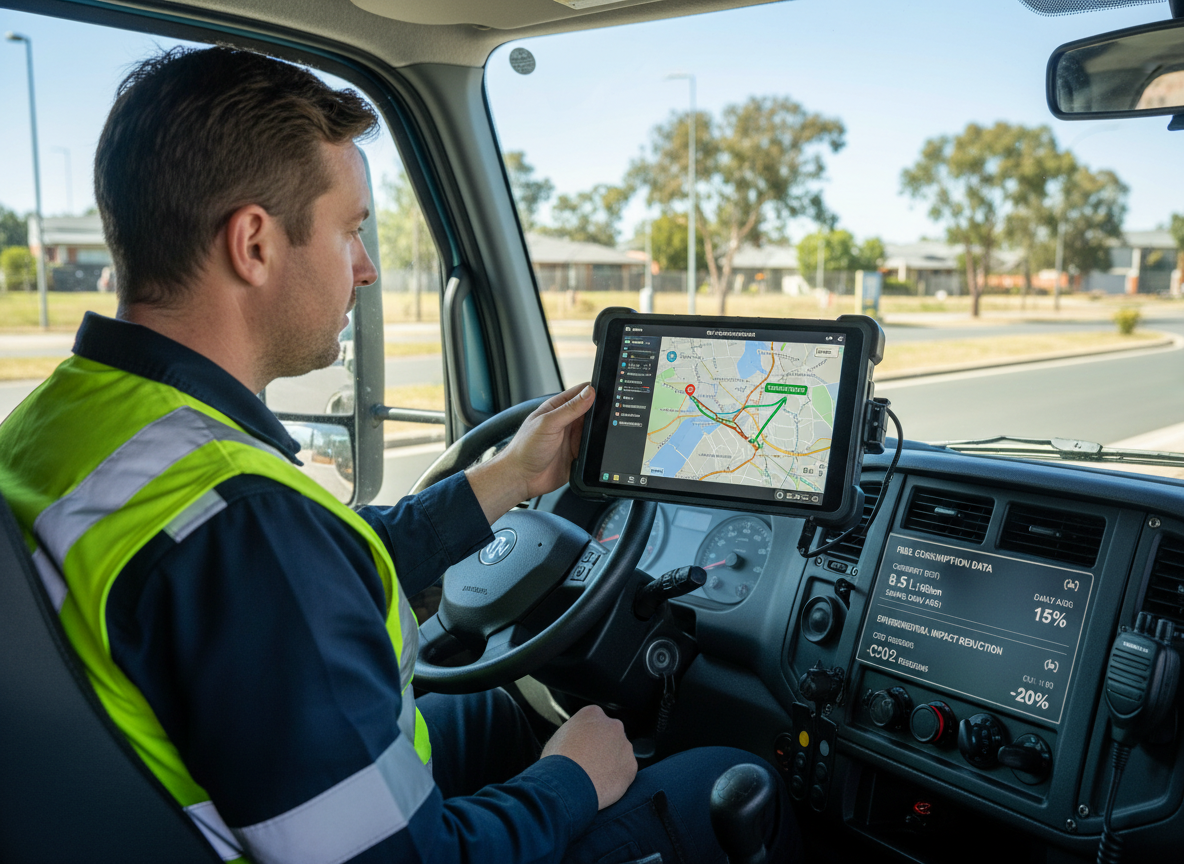
Perth drivers experiencing breakdowns receive immediate emergency assistance with GPS-tracked trucks and average response times under 30 minutes for metro locations. Emergency situations receive priority dispatch to minimise your exposure to traffic hazards and weather conditions that create additional risks.
Preparing Your Motorcycle for Transport
Remove loose items from saddlebags, panniers, and top boxes before recovery arrives. These items shift during loading and transport, potentially falling or causing damage to your bike or the transport vehicle. Personal belongings remain your responsibility and shouldn’t be left unsecured on the bike during transport.
Document your motorcycle’s condition with photos before loading begins. This practice protects both parties by establishing a clear record of pre-existing damage. Professional operators welcome this documentation because it confirms their damage-free handling throughout the transport process and prevents disputes about responsibility.
Post-Accident Recovery Protocols
Accident scenes require additional considerations beyond mechanical breakdowns. Don’t move your motorcycle until police clear the scene and complete their investigation. Evidence preservation matters critically for insurance claims and potential legal proceedings that may follow serious collisions.
We coordinate with WA Police for crash scene towing that preserves evidence whilst removing damaged vehicles from roadways safely. Our operators understand accident scene protocols and work within established procedures to support your insurance claim process without compromising evidence integrity.
Common Recovery Scenarios In Northern Suburbs
Perth’s northern corridor encompasses diverse riding environments from coastal roads to semi-rural highways. Each location presents specific recovery challenges that local expertise addresses more effectively than metro-based services unfamiliar with the area’s unique characteristics.
Post-Accident Motorcycle Recovery
Accident damage often leaves motorcycles in awkward positions that complicate recovery operations. Bikes on their sides, wedged against kerbs, or with structural damage require specialised lifting equipment that maintains control without worsening existing damage. Professional bike recovery northern suburbs services include equipment for these challenging scenarios that amateur operators can’t handle safely.
Damaged fairings, bent forks, and leaking fluids all require careful handling during loading procedures. We secure damaged components to prevent further separation during transport and contain fluid leaks to protect the environment and transport vehicle. Your motorcycle reaches your chosen repairer in the best possible condition given the circumstances, maximising repair options.
Non-Running and Project Bike Collection
Purchasing classic motorcycles, project bikes, or non-running machines often requires transport from private sellers who can’t deliver. These bikes may lack registration, insurance, or even complete running gear that would allow legal road use. We collect them from garages, sheds, and storage facilities regardless of their operational status or completeness.
Seized engines, missing parts, and incomplete modifications don’t prevent safe transport when you have proper equipment. Our systems accommodate bikes that won’t roll freely, using winching assistance that maintains control throughout the loading process. Project bikes reach your workshop ready for restoration work without additional damage from transport.
Track Day and Event Transport Services
Barbagallo Raceway attracts sport bike enthusiasts who prefer not to ride their track-prepared machines on public roads. Pre-arranged transport delivers your bike clean and ready for competition without accumulating street miles or risking mechanical issues before the event begins.
We coordinate pickup times and delivery locations to match your schedule, whether you’re heading to track days, bike shows, or group rides throughout Perth and regional areas. Return transport remains available if mechanical issues or weather concerns affect your original plans. Your bike travels safely whilst you focus on the event itself.
Interstate and Long-Distance Motorcycle Moves
Relocating from interstate or moving motorcycles across regional Western Australia requires planning beyond local recovery services. We coordinate long-distance transport using enclosed trailers for added protection against extended road exposure, stone chips, and weather damage.
Interstate purchases benefit from professional transport that eliminates the need to ride unfamiliar machines across thousands of kilometres. New owners receive their motorcycles without the mechanical wear and fatigue that long-distance riding inevitably creates, particularly on bikes with unknown service histories.
Group Ride Breakdown Support
Group rides through Perth’s northern suburbs and beyond create memorable experiences until mechanical failure affects one rider. We provide rapid response that collects the broken-down motorcycle whilst allowing the group to continue their ride without everyone abandoning their plans.
The disabled bike reaches a designated meeting point or returns directly home, depending on your preferences. This service maintains group cohesion without forcing everyone to abandon their ride due to one mechanical issue. Riders enjoy their day whilst we handle the recovery logistics professionally and efficiently.
Local Expertise For Northern Corridor Roads
Understanding Perth’s northern suburbs means knowing road conditions, traffic patterns, and geographic challenges that affect response times and recovery procedures. This local knowledge separates regional operators from metro-based services unfamiliar with the area’s unique characteristics.
Specific Road Challenges
Marmion Avenue runs along the coast through Sorrento, Hillarys, and Mullaloo. The narrow road carries significant traffic with limited shoulder space for breakdowns. Recovery in this corridor requires careful traffic management and rapid response to minimise exposure to passing vehicles that often travel at excessive speeds.
Wanneroo Road creates a high-speed arterial connecting Joondalup to Bullsbrook and beyond. The road carries mixed traffic from commuters to heavy commercial vehicles that dominate certain sections. Breakdown lanes exist but offer minimal protection from passing traffic travelling at 80-100 kilometres per hour. Fast response becomes critical for rider safety in these exposed locations.
Remote Area Coverage
Yanchep and Two Rocks represent the northern extent of suburban development, with semi-rural roads and limited mobile coverage in some areas. Breakdowns in these locations leave riders genuinely stranded without nearby assistance options or mechanical services. Our service area extends throughout these remote zones with appropriate response planning that accounts for distance and access challenges.
GPS coordinates help locate riders in areas without clear street addresses or recognisable landmarks. We navigate to exact positions using satellite tracking, ensuring we find you even when verbal directions prove difficult in unfamiliar territory. This capability matters especially during after-hours recovery when landmarks become harder to identify in darkness.
24-Hour Emergency Response Capability
Motorcycle breakdowns ignore business hours and weekend schedules completely. Operators providing 24/7 roadside assistance operate continuously across Perth’s northern suburbs, responding to emergencies regardless of timing. Whether it’s 3 AM Sunday or peak hour Friday, professional assistance remains available through our dispatch centre.
Night-time recoveries require additional safety precautions including proper lighting and increased visibility measures. Our trucks carry equipment for safe operations during all conditions, protecting both our operators and stranded riders from traffic hazards that intensify during darkness.
Knowledge of Local Traffic Patterns
Peak hour traffic affects response times and recovery procedures significantly. Understanding when Wanneroo Road banks up from Joondalup, where Mitchell Freeway bottlenecks occur, and which alternative routes provide faster access helps us reach riders more quickly during congested periods.
This knowledge allows realistic time estimates when you call for assistance. We provide accurate ETAs based on current conditions rather than optimistic guesses that leave you waiting longer than expected. Clear communication about arrival times reduces stress during already difficult situations.
Selecting Trustworthy Motorcycle Towing Services
Not every towing company handles motorcycles competently. Some operators attempt bike recovery using car equipment and improvised methods that risk substantial damage. Verifying capability before you need emergency assistance ensures you contact qualified professionals during stressful breakdown situations.
Essential Equipment Verification
Ask potential towing services about their motorcycle-specific equipment in detail. Proper operators maintain wheel chocks, soft loop straps, and tilt tray services configured specifically for bike transport. If they mention chains, hooks, or wheel-lift systems, they lack appropriate equipment for safe bike handling perth motorcycles.
Request photos of their equipment and loading procedures before committing to service. Professional services willingly demonstrate their capability because it differentiates them from general towing companies. This transparency protects your investment and confirms you’re choosing qualified operators with proper tools.
Experience with Different Motorcycle Types
Sport bikes, cruisers, adventure bikes, and scooters require different handling approaches that experienced operators understand instinctively. Operators experienced with various motorcycle types recognise these distinctions and adjust their methods accordingly. Ask about their familiarity with your specific bike category during initial contact.
Custom modifications, lowered suspensions, and aftermarket accessories add complications that experienced operators handle routinely. Ensure your chosen service has encountered similar situations and knows how to accommodate non-standard configurations safely without damaging expensive modifications.
Insurance Coverage and Licensing
Professional towing services carry public liability insurance covering vehicles during transport operations. This protection matters especially for high-value motorcycles where damage claims could reach thousands of dollars. Verify insurance coverage before allowing any operator to handle your bike.
Western Australian transport regulations require appropriate licensing for commercial towing operations. Legitimate services maintain current licensing and insurance documentation that they can provide upon request. This verification ensures legal operation and protects your interests during claims if damage occurs.
Transparent Pricing Structure
Reputable operators provide upfront quotes based on distance, bike type, and timing without hidden fees. You shouldn’t have to guess what transport will cost or discover unexpected charges when invoices arrive. Clear pricing reflects professional operations that value customer trust over exploiting emergency situations.
Distance-based rates make sense because fuel costs and time investment increase with longer transports proportionally. After-hours surcharges cover the premium for 24-hour availability and operator compensation. These charges should be explained clearly before service begins, allowing you to make informed decisions.
Local Presence Advantages
Towing companies based in Perth’s northern suburbs reach riders faster than metro services dispatching from the CBD or southern suburbs. Local operators understand regional roads, traffic patterns, and geographic challenges that affect response efficiency significantly.
This proximity translates to shorter wait times during emergencies and better knowledge of local mechanics, repair facilities, and storage options. Local operators develop community relationships that benefit customers through recommendations and coordinated service arrangements that metro operators can’t match.
Conclusion
Professional motorcycle towing in Perth protects your investment through proper equipment, experienced handling, and damage-prevention protocols that amateur operators simply can’t replicate. The difference between amateur attempts and qualified service shows immediately in your bike’s condition upon delivery to your chosen destination.
Perth’s northern suburbs demand local expertise that understands specific road challenges, traffic patterns, and geographic complications unique to this region. Our specialist towing solutions address these requirements whilst maintaining the safe bike handling perth riders expect from professional operators with years of experience.
Whether you’re experiencing mechanical breakdown, accident damage, or planned transport needs, proper motorcycle recovery eliminates stress and prevents complications that amateur attempts inevitably create. To arrange immediate assistance, call 0418 959 216 to speak with our dispatch team about your specific situation.