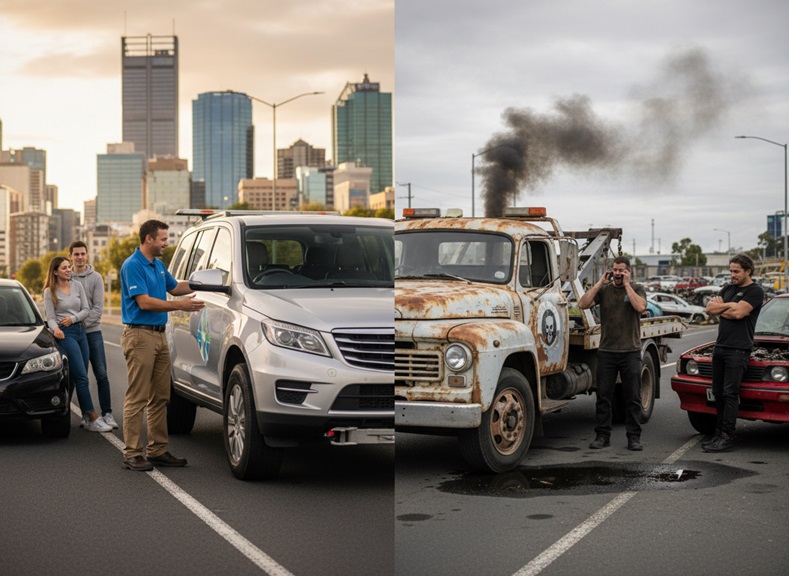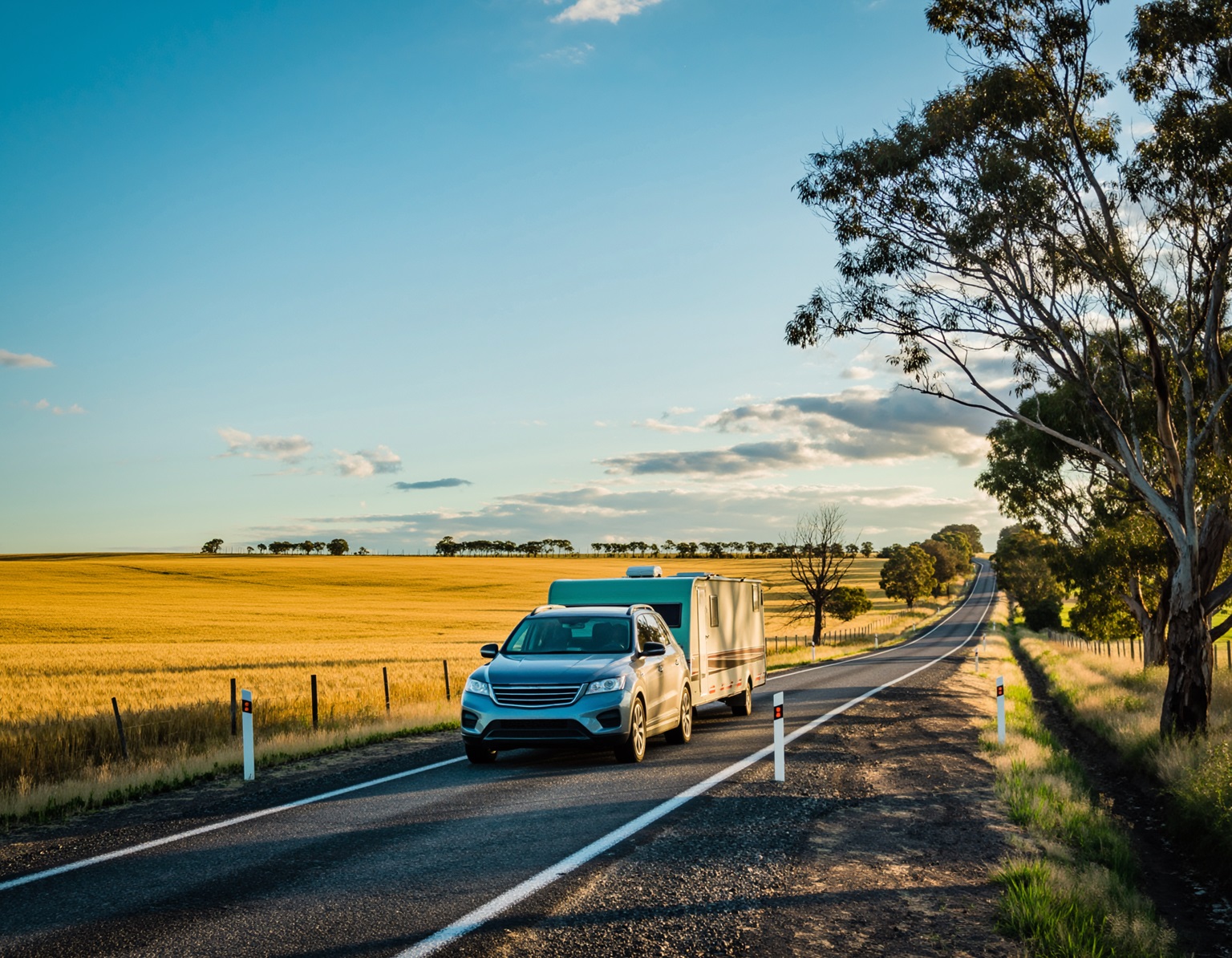
You’re halfway to Margaret River when your car starts making a noise that shouldn’t exist. Or you’re stuck on the Mitchell Freeway during peak hour with a flat tyre and no jack. These moments happen more often than you’d think, and they’re stressful because you’re suddenly vulnerable on the side of the road with cars screaming past at 100 kilometres per hour.
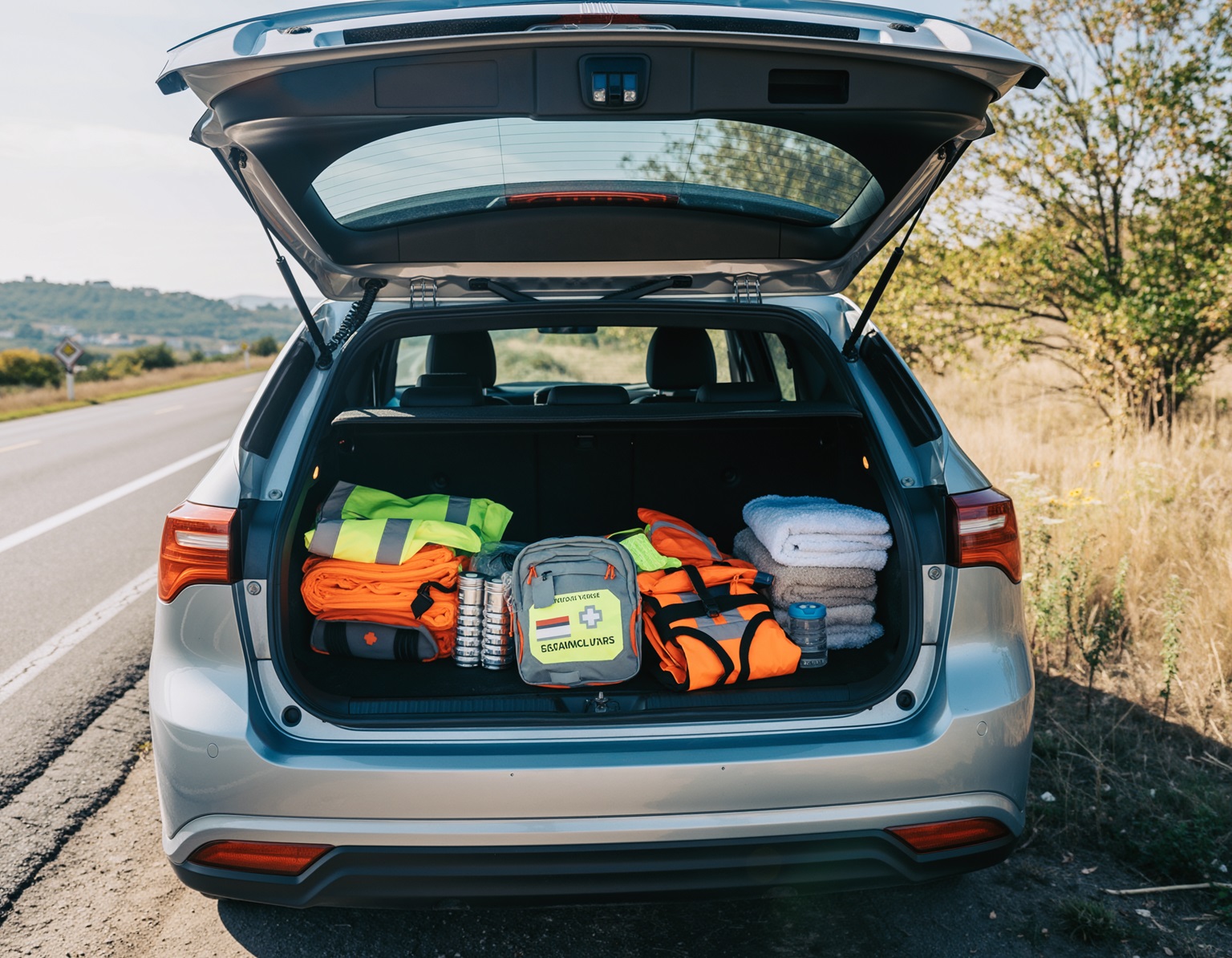
Here’s the thing: most breakdowns aren’t catastrophic failures. They’re fixable problems that become crises because you don’t have the right gear in your boot. A proper roadside emergency kit WA drivers can rely on won’t prevent every breakdown, but it’ll turn a potential disaster into a manageable inconvenience. And in WA, where distances between towns can stretch for hundreds of kilometres, that difference matters.
At All Out Towing, our team has spent more than 15 years helping drivers out of trouble across Perth and regional WA. The ones who stayed calm and sorted? They had the basics covered. The ones who panicked? They were waiting in 40-degree heat with no water and a phone at 3% battery. You don’t want to be in that second group.
Why WA Conditions Demand Better Preparation
Our state isn’t like driving around the eastern suburbs of Sydney. We’ve got extreme heat that’ll cook your car’s internals, long stretches of road with patchy mobile coverage, and wildlife that treats highways like their personal crossing. You might drive an hour without seeing another vehicle on some regional routes.
That isolation changes the stakes. If something goes wrong near Cervantes or out past Gingin, you can’t just pop into a servo or flag down help every five minutes. You’re on your own until someone notices you’re missing or until help arrives. This isn’t meant to scare you; it’s just the reality of driving in WA, and it’s why a roadside emergency kit WA drivers trust isn’t optional.
The other factor is our weather extremes. Summer temperatures regularly hit 40 degrees, and your car feels every degree of it. Batteries fail, tyres blow, and radiators boil over. Winter brings its own problems with heavy rain causing flash flooding and reduced visibility. Your emergency kit needs to account for both scenarios.
The Guilt You’re Probably Feeling
You know you should have a proper kit in your boot. You’ve thought about it after every news story about someone stranded in the heat or every time you’ve driven past a broken-down car. But you haven’t actually done it yet, and now it feels like one more thing on an endless list.
That’s completely normal. Most drivers don’t have a comprehensive emergency kit, not because they’re careless, but because it feels overwhelming to figure out what you actually need versus what’s just nice to have. You’re also probably thinking it won’t happen to you – which is what every driver our team has helped thought right up until their car stopped working.
Here’s the truth: putting together a roadside emergency kit WA drivers can depend on takes about an hour and costs less than a tank of fuel. You’re not preparing for the apocalypse – you’re just giving yourself options when something goes wrong. And something will eventually go wrong because cars are mechanical devices that wear out and fail.
What Actually Matters in an Emergency
Before we get into the specific items, let’s talk about what you’re really preparing for. There are three main scenarios your kit needs to address: immediate safety, basic repairs, and extended waiting.
Immediate safety means making sure you and your passengers don’t get hit by another vehicle. That’s your first priority, always. Basic repairs cover the simple fixes that’ll get you moving again without needing a tow truck. Extended waiting is about staying comfortable and safe if you’re stuck for hours waiting for help to arrive.
Most pre-made kits focus heavily on first aid and ignore the practical realities of breakdowns. First aid is important, but you’re more likely to need a working torch and water than a tourniquet. Your kit should reflect actual breakdown situations, not theoretical worst-case emergencies.
High-Visibility Warning Triangle or Flares
This is the single most important item in your kit because it protects you from other drivers. When your car breaks down, especially on a highway or busy road, you’re at serious risk of being hit by someone who doesn’t see you in time.
A warning triangle sits on the road about 50 to 100 metres behind your vehicle, giving approaching drivers advance notice. The reflective surface catches headlights and works day or night.
Road flares are an alternative that works well in low-visibility conditions like fog or heavy rain. They’re particularly useful in regional WA where you might break down at night on an unlit road. The bright red flame is impossible to miss and burns for 15 to 30 minutes depending on the type.
Heavy-Duty Torch with Spare Batteries
Your phone’s torch is convenient but useless when your battery dies or when you need both hands free. A proper torch with a strong beam lets you see what you’re doing under the bonnet, change a tyre in the dark, or signal for help.
Look for something with at least 200 lumens and sturdy construction. LED torches are ideal because they’re bright, efficient, and long-lasting. Keep spare batteries in a sealed bag to prevent corrosion.
A head torch is even better because it keeps both hands free. Trust us – trying to hold a torch in your mouth while you’re wrestling with wheel nuts is miserable and ineffective.
Jumper Leads or Portable Jump Starter
Flat batteries are the most common breakdown cause we’ve seen over the years. They fail without warning, especially in extreme heat when battery fluid evaporates.
Traditional jumper leads work if you can flag down another driver, but that’s not always possible on quiet roads. A portable jump starter is better because you don’t need another vehicle. These battery packs can start most cars several times on a single charge and are about the size of a thick paperback.
Make sure you know how to use them before you need them. Connecting leads incorrectly can cause damage or sparks near the battery. It’s simple once you’ve practised – and that quick check can save you a long wait for help.
If your car still won’t start, our roadside assistance team is always ready to help anywhere in Perth.
Basic Tool Kit and Duct Tape
You don’t need a full workshop in your boot, but a few tools can solve common problems. A socket set, screwdrivers, pliers, and an adjustable spanner will handle most roadside fixes.
Duct tape is the universal problem-solver. It’ll temporarily seal a split hose, hold a loose bumper in place, or patch a hole long enough to reach a service station. A can of WD-40 or similar oil is worth including too – especially for loosening rusted bolts.
First Aid Kit and Medications
A basic first aid kit should include bandages, antiseptic wipes, pain relievers, and any personal medications you need regularly. Most roadside injuries are minor: cuts, burns, or twisted ankles. You’re just managing small issues until you can get proper help.
Include any prescription medications you take daily, especially if you’re travelling long distances. If you end up stuck overnight, you’ll need access to those.
Water and Non-Perishable Snacks
This is where WA’s climate makes the difference. Dehydration happens fast in summer heat, and if you’re stuck waiting for help, you’ll need water.
Store at least two litres per person in your vehicle and rotate it every few months. Non-perishable snacks like muesli bars or nuts keep energy up and stress down. Low blood sugar makes everything worse, so having food on hand helps you stay calm.
Reflective Vest and Work Gloves
If you need to get out of your car on a busy road, a reflective vest keeps you visible. They’re cheap, compact, and reduce the risk of being hit.
Work gloves protect your hands when changing a tyre or handling tools. Car parts get hot, sharp, and dirty – gloves make it safer and easier.
Spare Tyre, Jack, and Wheel Brace
Most cars come with these, but few drivers check whether they actually work. Your spare tyre might be flat, or the jack might be seized.
Check your spare’s pressure regularly and know where your jack points are. Practice changing a tyre once in your driveway – it’s awkward, but far better than learning under stress. If your car has locking wheel nuts, keep the key in the vehicle, not your garage.
Tyre Pressure Gauge and Pump
Incorrect tyre pressure causes blowouts and uneven wear. A simple gauge helps you check pressures, and a portable pump fixes issues without finding a service station.
Modern pumps plug into your cigarette lighter and inflate a tyre in minutes. They’re compact, affordable, and essential for long drives in regional WA.
Mobile Phone Car Charger and Power Bank
Your phone is your lifeline. A dead battery turns a small issue into a serious emergency. Keep a car charger in your vehicle and a power bank charged as backup.
Check it monthly – even the best devices lose charge over time.
Blanket and Change of Clothes
WA’s temperature swings are extreme. A blanket keeps you warm if you’re stuck overnight, and a change of clothes ensures you can work safely if you’re dressed for another occasion.
Store these in a sealed bag to keep them clean and dry.
Why This Feels Harder Than It Should
You’re looking at this list and thinking it’s a lot to manage. Start small. You don’t need everything at once. Pick up a few items each time you’re at the shops until you’ve built a full kit.
Use a clear plastic tub with a lid to keep everything organised and easy to find. Label it clearly so everyone in your household knows it’s the emergency car kit WA drivers should always keep handy.
Start Here, Not with Perfection
The perfect emergency kit that’s still on your to-do list is useless. A basic kit that’s already in your boot is valuable. Start with essentials: warning triangle, torch, water, and jumper leads. Build from there as budget and time allow.
Your goal isn’t to be a mobile mechanic. You’re just giving yourself options when something goes wrong. Most breakdowns are simple problems that become complicated because you don’t have the basics.
If your kit isn’t enough to get you going, contact our team for quick and professional help. We provide 24-hour emergency towing across Perth and regional WA, keeping you safe when it matters most.
Think of your emergency kit like your spare tyre – you hope you’ll never need it, but you’ll be grateful it’s there when you do. Preparation isn’t panic. It’s peace of mind.