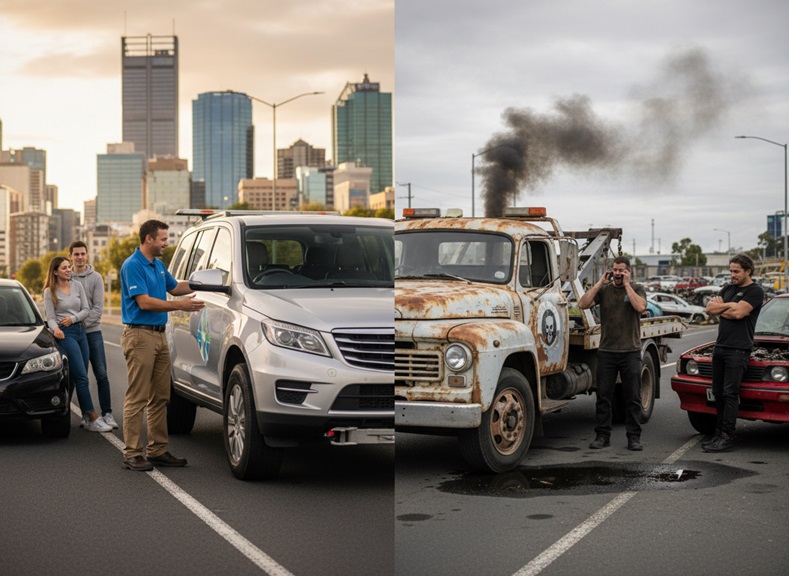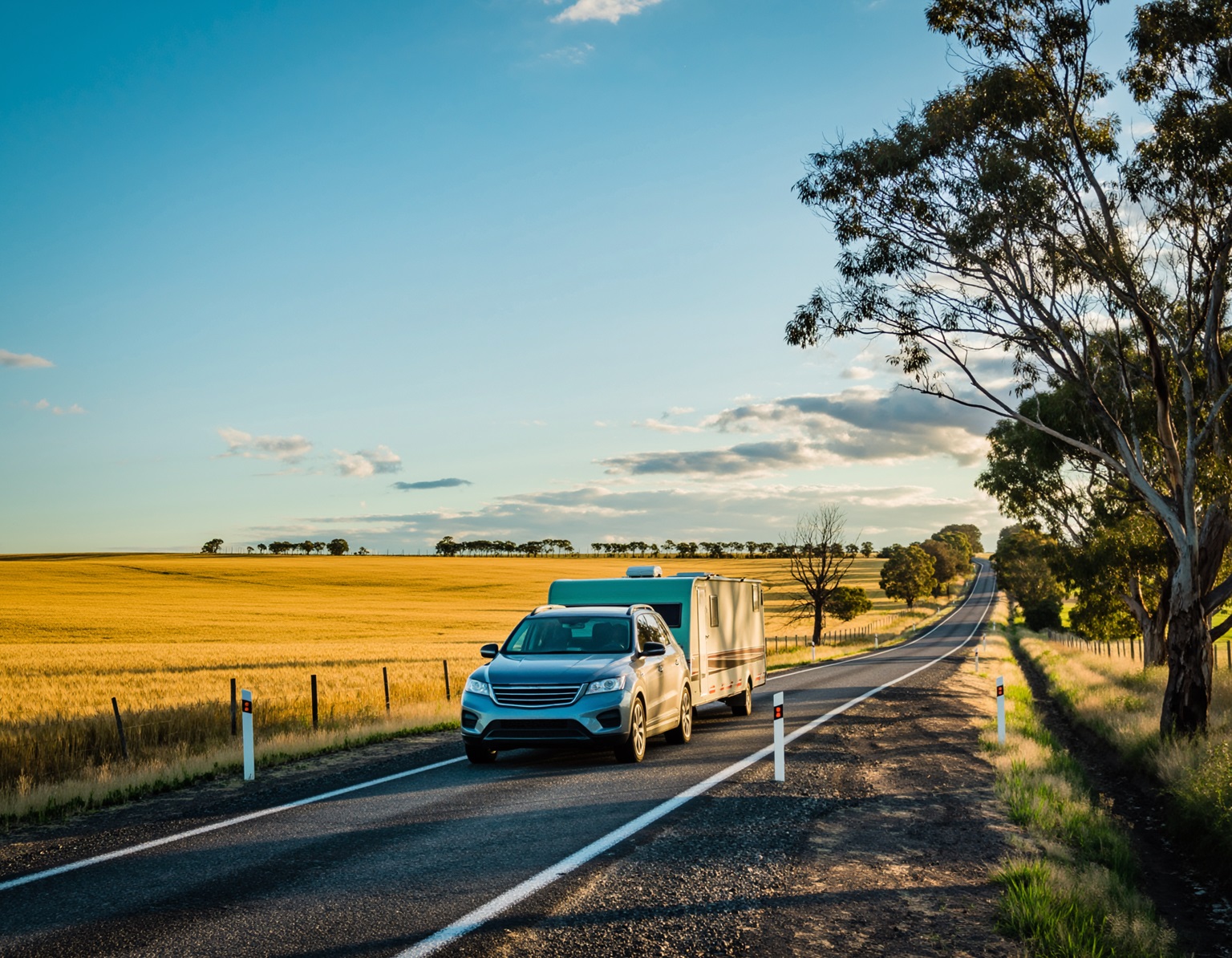
You’re halfway between Gingin and Lancelin when the temperature gauge starts climbing. Or you’re heading home from work along Wanneroo Road when the engine just stops. These moments hit harder than you’d expect because they’re not just inconvenient – they’re isolating, a bit scary, and they make you feel unprepared even if you’re usually organised.
Most WA drivers will face at least one serious roadside emergencies WA experience in their lifetime. The distances here don’t forgive poor preparation, and our climate – scorching summers, sudden winter storms – tests vehicles in ways that city driving rarely does. You’re not being paranoid by wanting to prepare. You’re being smart.
The thing is, knowing you should have an emergency kit and actually putting one together are two different things. You might think about it after hearing a mate’s breakdown story, then life gets busy and it slips away. That’s normal. But here’s what makes emergency preparedness WA drivers need easier: you don’t need to become a mechanic or spend hundreds on gear. You just need the right basics and a plan that works for WA’s unique conditions.
Why WA Roads Demand Better Preparation
Western Australia’s road network spans over 161,000 kilometres, much of it through remote areas where mobile coverage is patchy and the next town might be 100 kilometres away. When something goes wrong out here, you can’t just pop into a service station or wait ten minutes for help.
Our team at All Out Towing once helped a family about 40 kilometres south of Jurien Bay one February afternoon. Their radiator had cracked, they’d run out of water trying to top it up, and they had three kids under ten in the back. The mum was calm on the phone but you could hear the stress underneath – they’d been stuck for nearly two hours in 38-degree heat. They had no water, no shade, and only half a tank of fuel left to run the air conditioning.
That situation could’ve been manageable with some basic supplies and knowledge. Instead, it became genuinely dangerous. The gap between “this is annoying” and “this is serious” closes fast when you’re dealing with extreme heat, isolation, or limited resources.
Our roadside assistance teams respond to hundreds of these calls every month, and the pattern’s always similar: good people caught out by circumstances they didn’t expect, without the simple tools that would’ve made everything easier.
The Roadside Kit You Actually Need
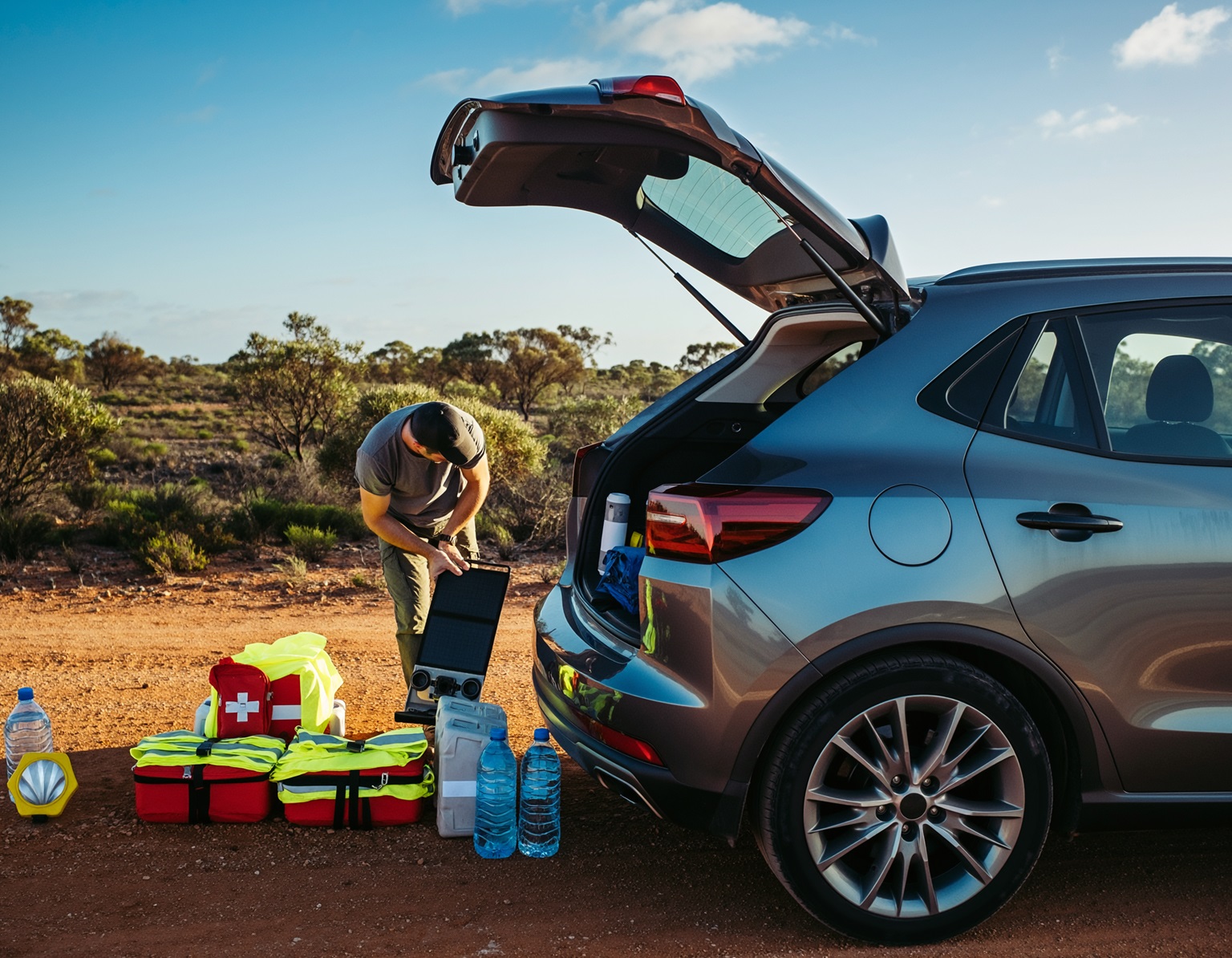
Forget the fancy pre-made kits with 47 items you’ll never use. Your emergency kit should be practical, tailored to WA conditions, and actually accessible when you need it – not buried under camping gear in the boot.
Start with water. Not a single bottle, but at least five litres for drinking plus another five for the vehicle. In summer, you can become dangerously dehydrated within a couple of hours if you’re stuck without shade. Your radiator might also need topping up, and that extra water could be the difference between limping to the next town or cooking your engine completely.
A proper first aid kit matters more than most people think. Not the tiny plastic box with three bandaids, but something comprehensive that includes bandages, antiseptic, pain relief, burn cream, and any personal medications you need regularly. St John Ambulance provides excellent guidance on what a vehicle first aid kit should contain.
You’ll want a quality torch with spare batteries, not just your phone’s flashlight. Phone batteries drain fast when you’re using them for light, navigation, and calls. A dedicated torch with a red flashing mode can also make you visible to other drivers if you’re stuck after dark.
Jumper leads or a portable jump starter pack are non-negotiable. Flat batteries are one of the most common roadside emergencies WA drivers face, and they’re also one of the easiest to fix if you’ve got the right equipment. The portable packs are brilliant because you don’t need another vehicle – you can jump-start yourself.
Pack a high-visibility vest, warning triangle, and a small fire extinguisher rated for vehicle fires. These aren’t just safety theatre – they’re practical tools that protect you when you’re vulnerable on the roadside. Main Roads WA recommends keeping warning devices in your vehicle at all times, particularly if you regularly travel on highways or rural roads.
Add a basic tool kit with screwdrivers, pliers, adjustable spanner, and duct tape. You won’t fix major mechanical problems with these, but you can secure loose parts, tighten connections, or make temporary repairs that get you safely to proper help.
Include a phone charger that works from your cigarette lighter or USB port, plus a fully charged power bank as backup. Communication is everything during an emergency, and a dead phone leaves you completely isolated.
Finally, throw in some non-perishable snacks, a space blanket, sunscreen, and a hat. These comfort items become survival essentials if you’re stuck for several hours in harsh conditions.
Understanding Your Most Likely Emergencies
Not all breakdowns are equally probable, and knowing what you’re most likely to face helps you prepare more effectively.
Overheating is incredibly common during WA summers, especially if you’re towing, carrying heavy loads, or driving through hilly terrain. Your engine works harder in the heat, and if your cooling system has any weakness – old coolant, worn hoses, struggling water pump – it’ll show up on a 40-degree day. The warning signs usually appear before total failure: the temperature gauge climbing higher than usual, steam from under the bonnet, or a sweet smell that indicates coolant leaking.
If your temperature gauge starts rising, don’t ignore it hoping it’ll sort itself out. Pull over safely as soon as possible, turn off the engine, and let everything cool down for at least 30 minutes before opening the bonnet. Never remove the radiator cap while the engine’s hot – the pressure can spray boiling coolant and cause serious burns.
Flat batteries catch people off guard because they often fail without obvious warning. You might notice your engine cranking more slowly than usual, or your headlights dimming slightly, but often the first sign is turning the key and getting nothing but clicking. Batteries typically last three to five years, and WA’s extreme temperatures accelerate their decline.
Tyre problems – punctures, blowouts, or simply running low on pressure – are another frequent issue. Our roads can be rough, with potholes, debris, and long stretches of corrugated gravel that punish tyres relentlessly. Checking your tyre pressure monthly and inspecting for damage or uneven wear prevents most problems, but you should still know how to change a tyre or have access to help if you can’t manage it yourself.
Running out of fuel happens more than you’d think, particularly on unfamiliar routes where service stations are further apart than expected. When your fuel light comes on, you typically have 50-80 kilometres of range left depending on your vehicle – use it to reach fuel, not to see how far you can push it.
What to Do When Things Go Wrong
Your first priority is always safety – yours, your passengers’, and other road users’. If your vehicle becomes unsafe to drive, get it off the road if possible. Aim for a wide verge, emergency bay, or side road rather than stopping in a live traffic lane.
Once you’ve stopped, turn on your hazard lights immediately. If it’s dark or visibility is poor, leave your parking lights on as well. If you have a warning triangle or portable warning signs, place them at least 50 metres behind your vehicle to alert approaching traffic.
Assess the situation honestly. Can you fix this yourself safely, or do you need professional help? There’s no shame in calling for assistance – trying to repair something beyond your skill level on a busy roadside is dangerous and often makes things worse.
If you’re stuck in a remote area, stay with your vehicle unless you can see help within easy walking distance. Your car is visible, provides shelter, and is where rescue services will expect to find you. Walking off into the bush or along empty roads, especially in extreme heat, turns a manageable situation into a life-threatening one.
Call for help early rather than waiting to see if things improve. Our 24-hour emergency towing service exists precisely for these moments. When you call, provide your exact location using GPS coordinates if possible, describe the problem clearly, and mention any safety concerns like traffic, weather, or medical issues.
While you’re waiting, stay hydrated and protect yourself from the elements. If it’s hot, create shade using whatever you have available. If it’s cold or raining, stay in the vehicle with the engine running periodically for heat, ensuring the exhaust isn’t blocked by sand or debris.
The Mistakes That Make Everything Worse
Some common reactions to roadside emergencies actually increase danger rather than reducing it. Knowing what not to do is just as valuable as knowing the right steps.
Don’t keep driving when warning lights appear or you hear concerning noises. That grinding sound or burning smell is your vehicle telling you something’s seriously wrong. Continuing to drive can transform a repairable problem into complete engine failure.
Don’t stand or walk in traffic lanes while waiting for help. It feels natural to pace around or inspect your vehicle from different angles, but distracted or speeding drivers might not see you until it’s too late. Stay behind barriers or well off the road unless you must be near the car.
Don’t attempt repairs you’re not confident about, especially anything involving the fuel system, electrical components, or working under a vehicle supported only by a jack. The roadside isn’t the place to learn mechanical skills, and getting injured while trying to fix your car creates a much bigger emergency.
Don’t leave vulnerable passengers in the vehicle if it’s dangerously hot or cold, but also don’t let them wander near traffic. Use judgement – sometimes staying in the car with air conditioning is safest, other times finding shade is better.
Don’t accept help from strangers if something feels off. Most people who stop are genuinely trying to help, but if you feel uncomfortable, stay in your locked vehicle and explain you’ve already called for assistance. Trust your instincts.
Maintenance That Prevents Emergencies
The best roadside emergency is the one that never happens. Regular maintenance is the most effective form of emergency preparedness WA drivers can adopt.
Your cooling system needs attention before summer arrives. Have your coolant checked and replaced according to your service schedule, inspect hoses for cracks, and ensure your radiator cap seals properly. These checks prevent most overheating incidents.
Battery maintenance is straightforward but often neglected. Clean terminals if you see white or blue-green corrosion, tighten connections, and have the battery tested annually once it’s three years old. Many service stations will test batteries for free – it takes five minutes and gives you peace of mind.
Tyre care goes beyond checking pressure. Rotate tyres regularly, replace them when tread depth reaches 3mm, and don’t ignore vibrations or pulling to one side – these indicate alignment issues that can cause blowouts.
Keep your fuel tank above quarter-full, especially on long trips. This habit eliminates most fuel-related breakdowns and reduces the risk of sediment entering your system. And always check your spare tyre, jack, and wheel brace before you need them.
When to Call Professional Help
Some situations require professional assistance rather than DIY fixes. Recognising these moments saves time and prevents injury.
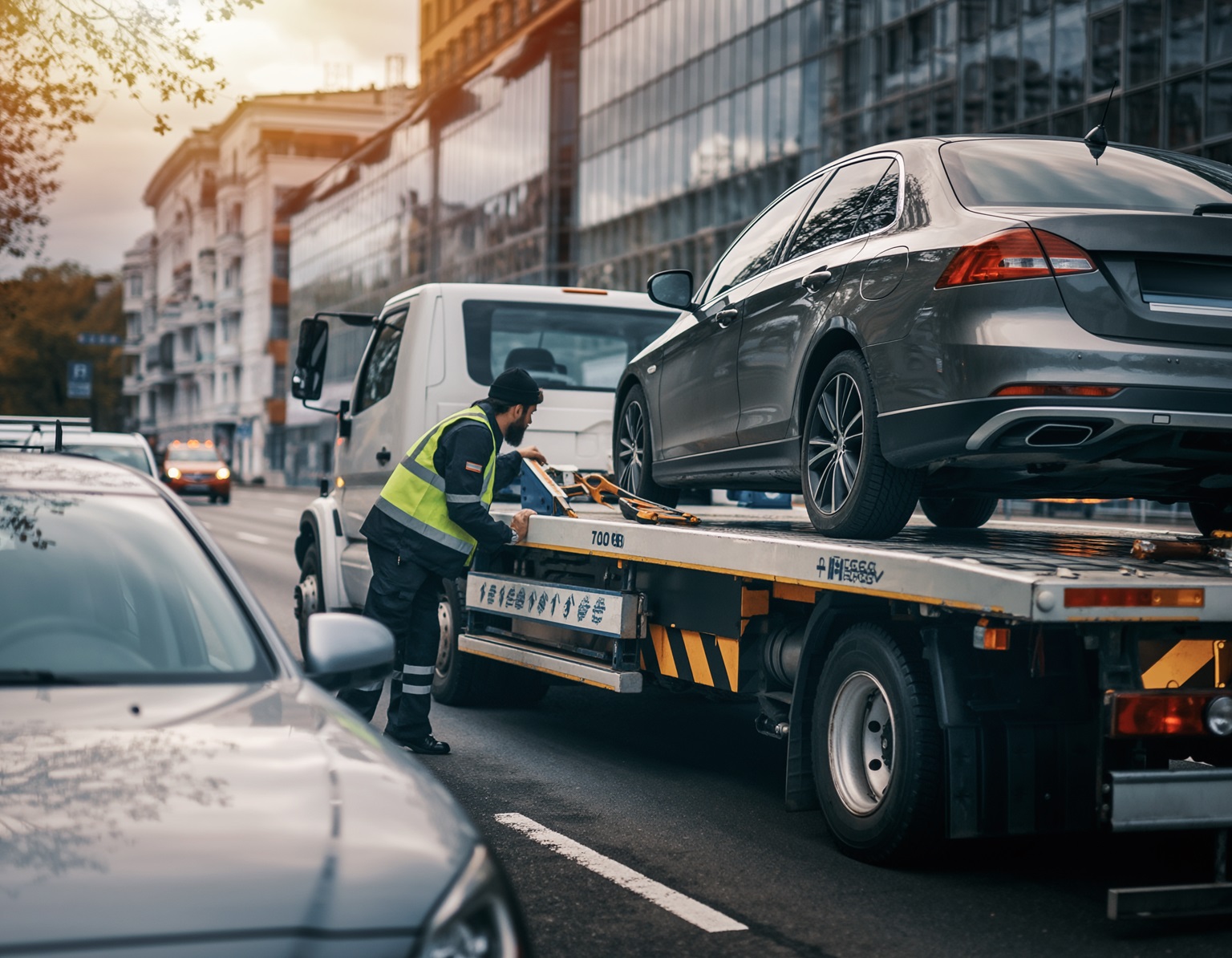
If you see or smell smoke, fuel leaks, or notice fluid pouring from under your vehicle, call for help immediately. Our towing services Perth team can transport your vehicle safely to a workshop for repairs.
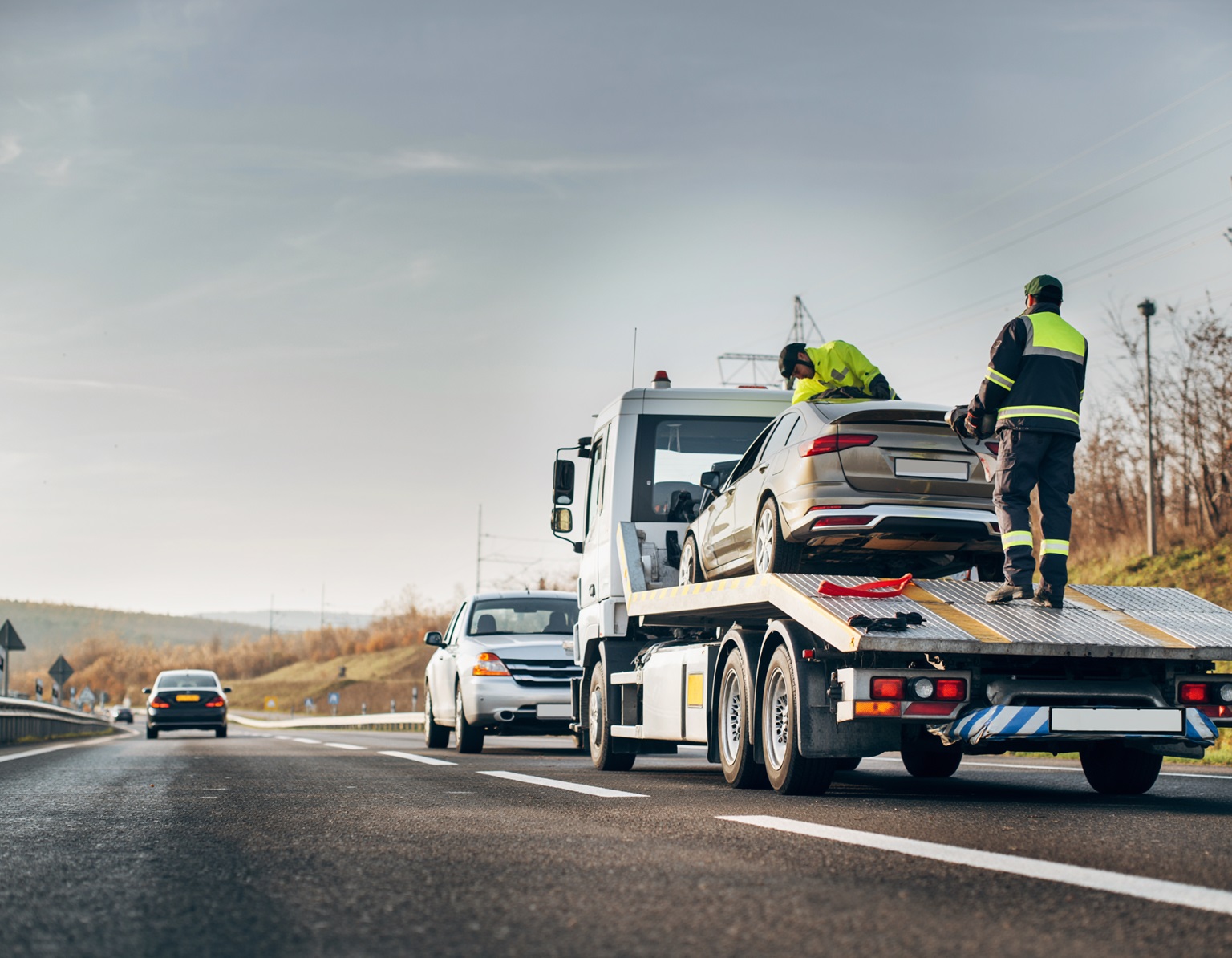
When you’re stranded in an unsafe location – narrow shoulder, blind corner, fast-moving traffic – don’t attempt repairs. The priority is getting you and your vehicle to safety, which is exactly what towing services are for.
If you’re unsure what’s wrong, calling roadside assistance gives you access to experienced technicians who can diagnose problems on the spot or arrange towing if needed. You’re not expected to be a mechanic – that’s why professional help exists.
Medical emergencies always take priority. If anyone is injured or unwell, call 000 first, then focus on the vehicle later.
Building Your Emergency Response Plan
Having supplies is only half of preparation – you also need a plan that everyone in your household understands.
Make sure all drivers know where the emergency kit lives and what’s in it. There’s no point having jumper leads if nobody knows they’re there.
Program important numbers into everyone’s phones: your preferred towing service, roadside assistance, insurance company, and a trusted mechanic. In stressful moments, having these numbers eliminates panic.
Teach everyone how to change a tyre, jump-start a battery, and use the warning triangle. Even if they never need to do it themselves, understanding the process builds confidence.
Discuss what to do if mobile coverage isn’t available. This might mean staying with the vehicle and waiting, or carefully walking to the last place you had signal. Always let someone know your intended route and arrival time for long trips.
Review your kit twice a year. Water bottles expire, batteries drain, and supplies deplete. A quick check in spring and autumn keeps everything current.
The Real Cost of Being Unprepared
Being caught unprepared for roadside emergencies WA conditions throw at you isn’t just inconvenient – it’s expensive and risky.
A flat battery that could be solved with jumper leads instead becomes a callout fee. A small coolant leak turns into engine damage. Running out of fuel adds the cost of emergency delivery plus the stress of waiting in heat or darkness.
Beyond money, there’s the emotional toll – stress, time lost, and safety concerns. The Department of Transport WA confirms that proper vehicle maintenance and emergency readiness greatly reduce the severity and duration of breakdowns. You’re not just protecting your car – you’re protecting yourself and your passengers.
Moving Forward with Confidence
Preparing for roadside emergencies isn’t about paranoia; it’s about realism. Vehicles are complex machines, and sometimes they fail.
Think of your emergency kit and maintenance routine like insurance – you hope you’ll never need them, but you’ll be grateful when you do. The small investment now prevents bigger problems later.
Start with one thing this week. Maybe that’s assembling a basic emergency kit, booking an overdue service, or checking your spare tyre pressure. Progress matters more than perfection.
If you do find yourself stranded, don’t hesitate to contact our team. We’ve helped thousands of WA drivers through challenging situations, and we know that breakdowns happen to everyone.
WA’s roads are spectacular, diverse, and sometimes unforgiving. Preparing properly means you can enjoy them confidently, knowing you’re ready for whatever comes your way.