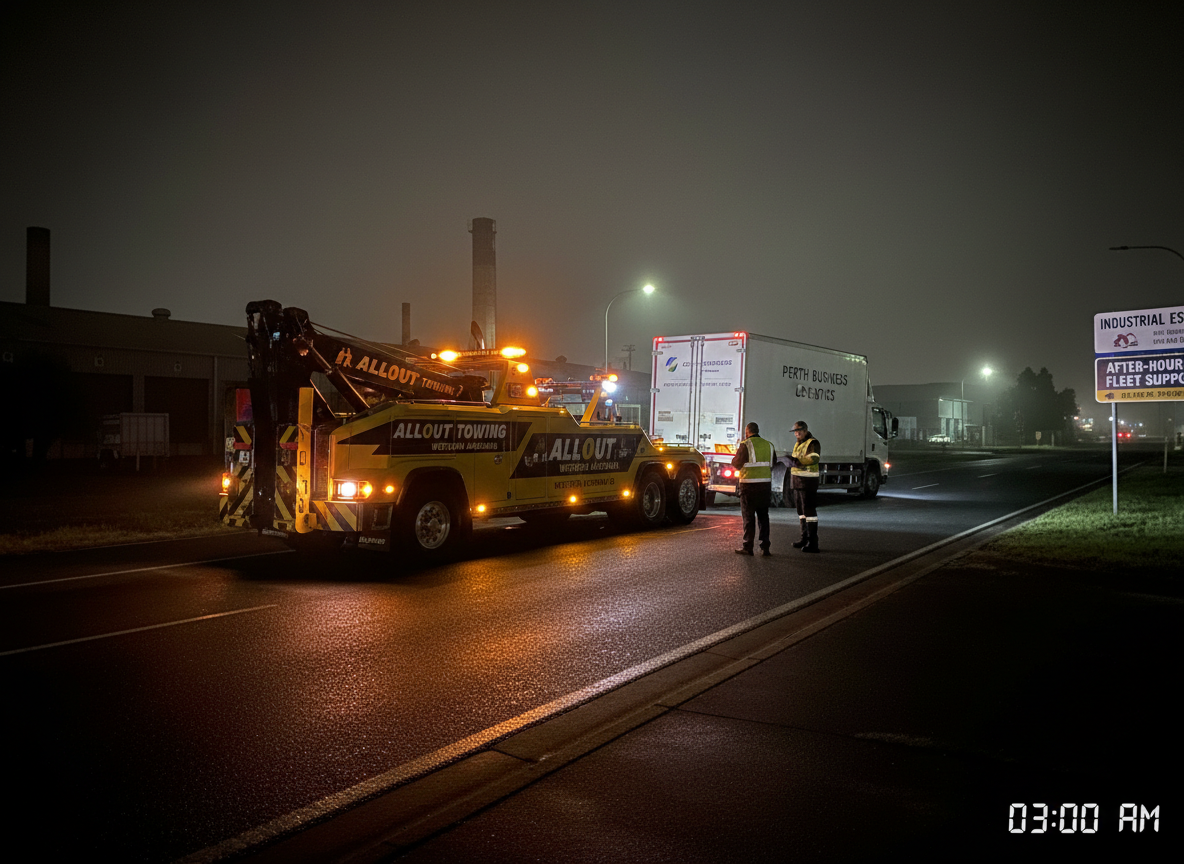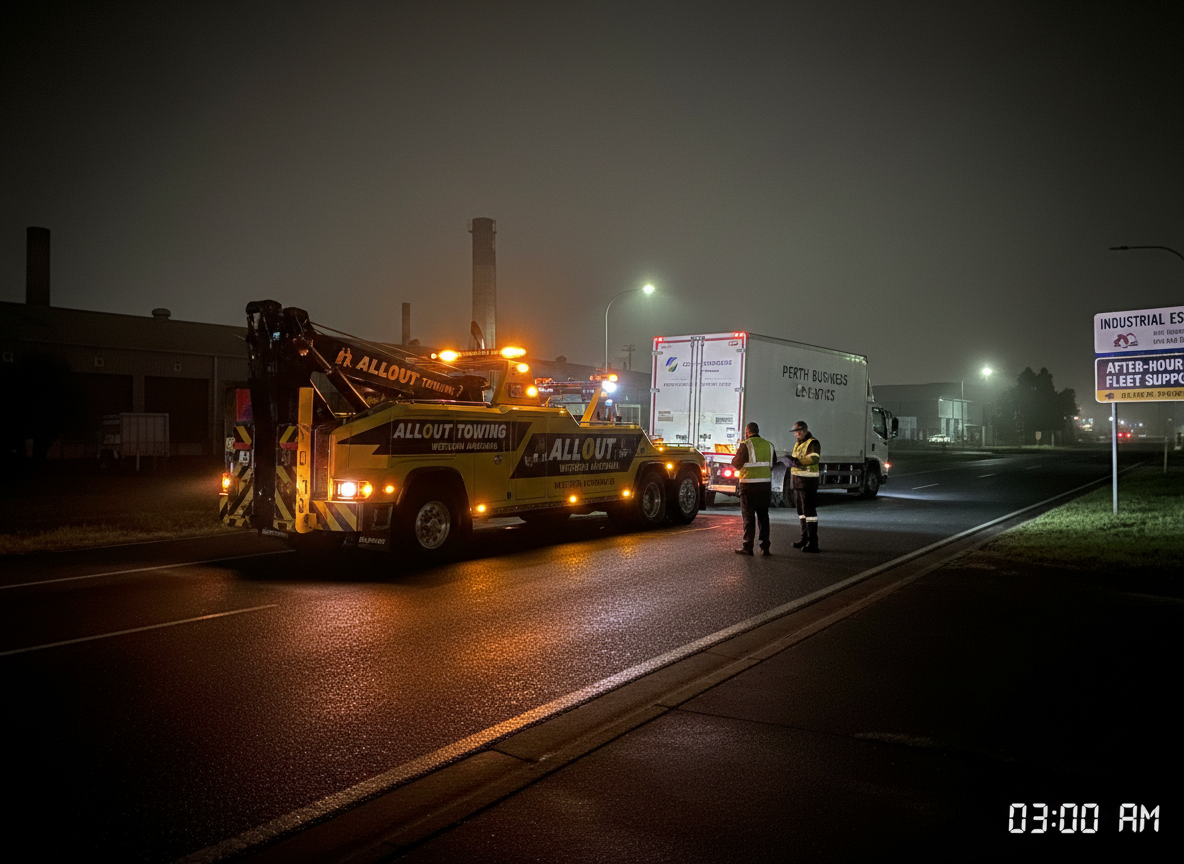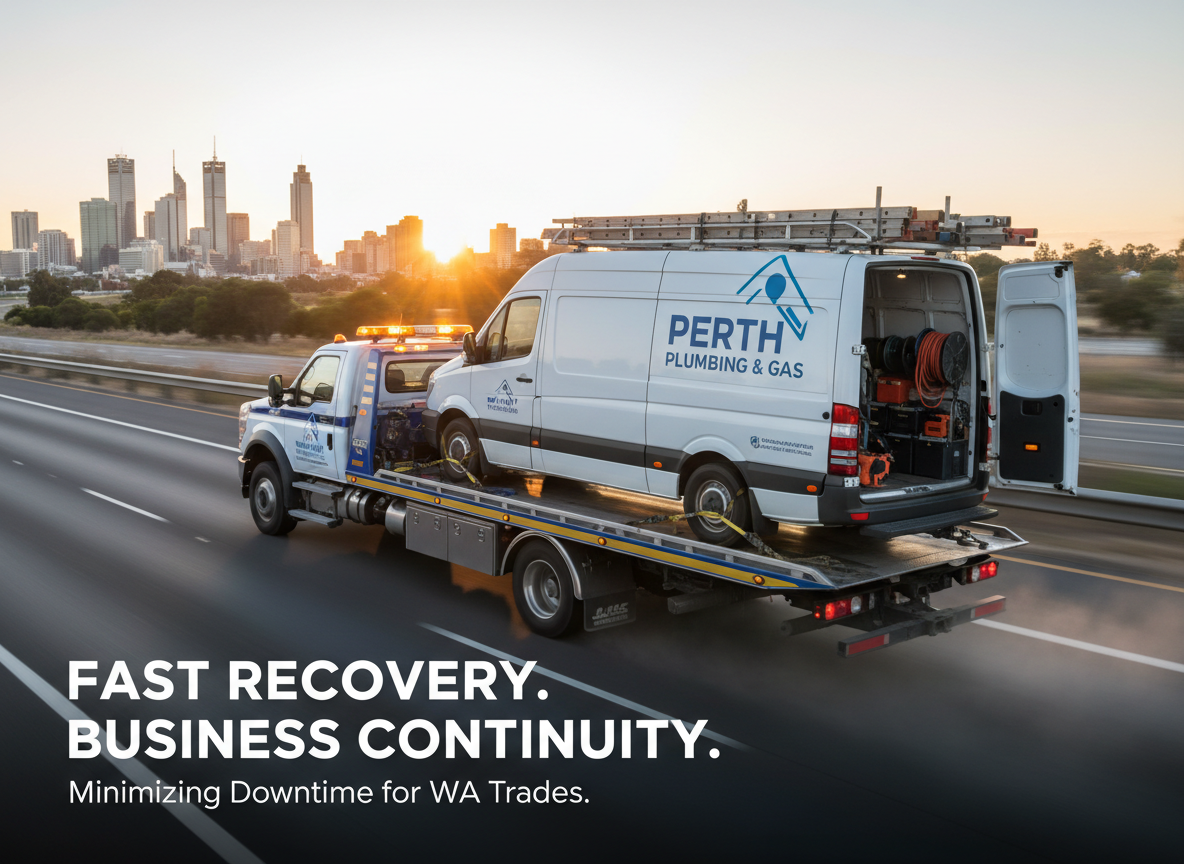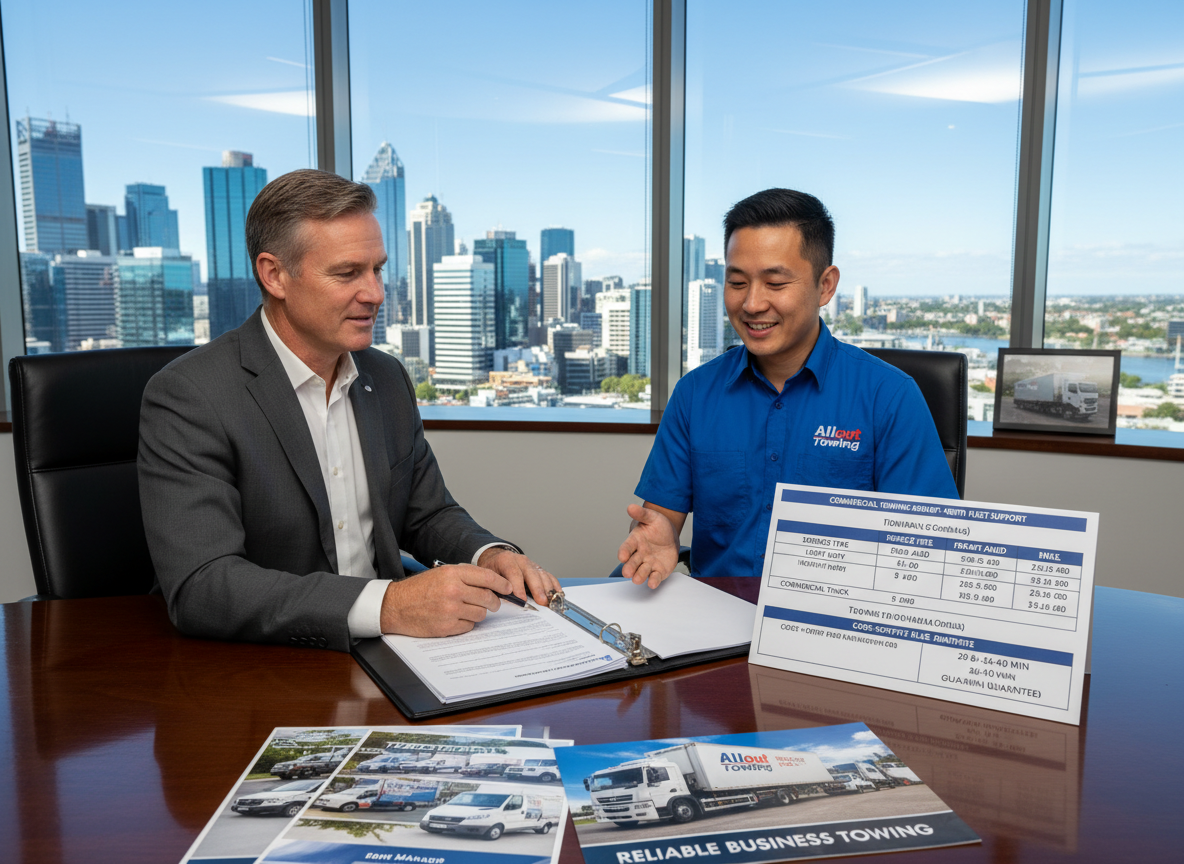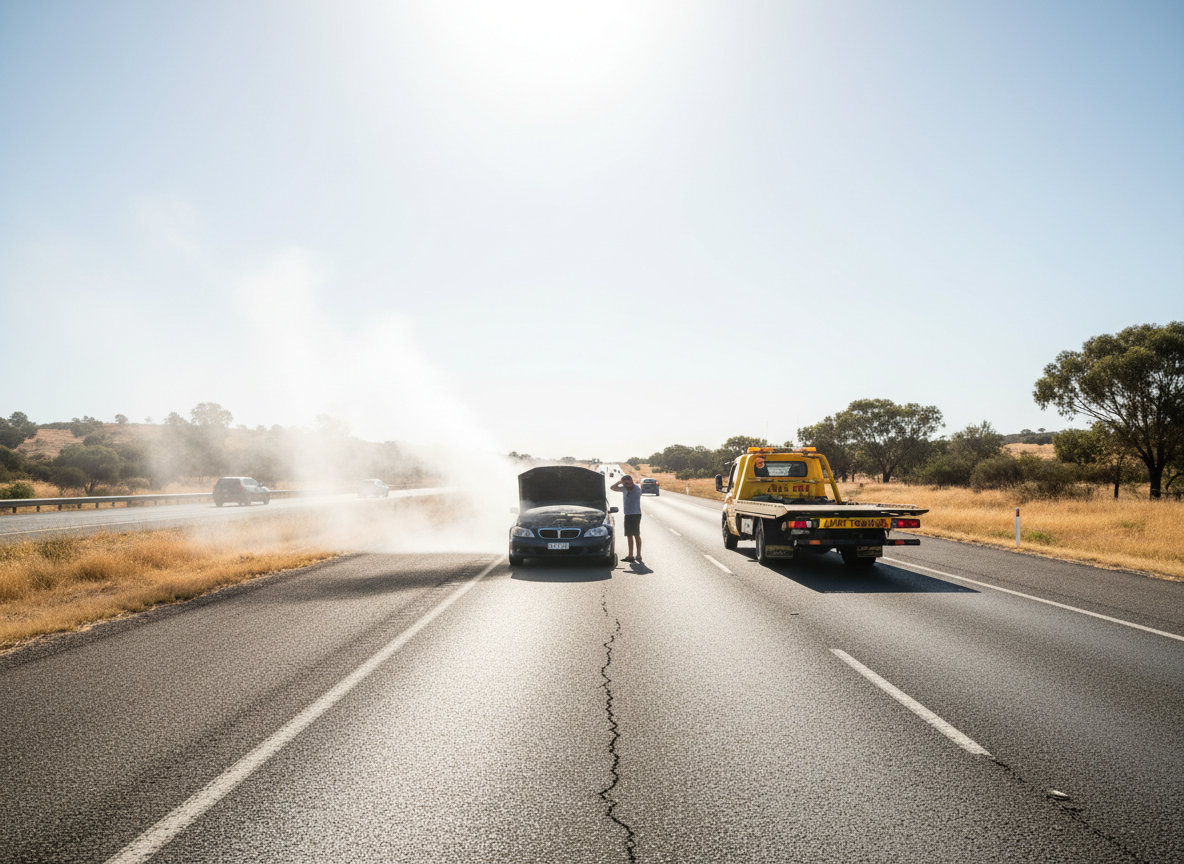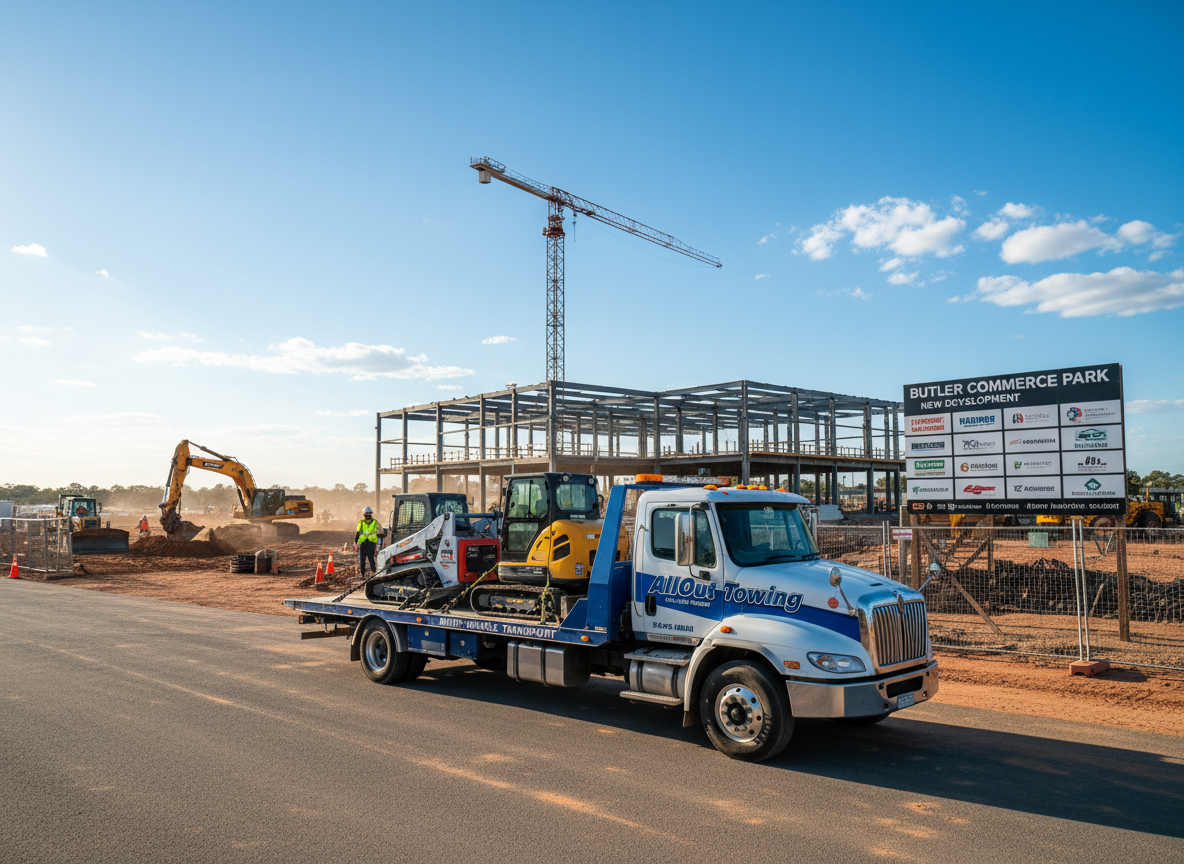
Construction sites don’t run on a single vehicle. They’re ecosystems of machinery, trucks, and equipment that need to move in sync. When multiple vehicles break down or need relocating across Perth’s northern suburbs-from Joondalup to Ellenbrook to Wanneroo-the logistics become exponentially more complex than a single tow.
We’ve handled multi-vehicle relocations for some of the largest construction projects north of the Swan River. The challenge isn’t just moving each piece safely-it’s coordinating timing, permits, route planning, and ensuring your project timeline doesn’t blow out by days or weeks. One delayed excavator can halt an entire site.
The northern suburbs present unique challenges: newer developments mean tighter access roads, residential areas require careful noise management, and peak-hour traffic on Joondalup Drive or Wanneroo Road can turn a simple transport into a logistical nightmare. You need construction site towing Perth operators who understand construction deadlines and know every back route from Mindarie to Yanchep.
Why Construction Sites Need Specialised Multi-Vehicle Towing
A standard tow truck operator moves one car at a time. That approach collapses under the weight of a construction site’s needs.
Construction projects operate on critical paths. If your bobcat, excavator, and site truck all need moving from one location to another by Monday morning, you can’t afford three separate bookings spread across three days. You need synchronized transport that treats your fleet as an interconnected system, not isolated jobs.
Equipment interdependence creates cascading delays. Your excavator can’t start earthworks until the bobcat finishes site prep. Your tipper truck can’t haul fill until both machines are operational. When multiple vehicles break down or need urgent relocation, a single-vehicle towing mindset creates bottlenecks that ripple through your entire project schedule.
Insurance and compliance multiply with vehicle count. Each piece of multi-vehicle heavy equipment Perth transport requires specific permits, load ratings, and transport documentation. Managing this paperwork across multiple vehicles demands expertise in WA transport regulations-get it wrong, and your equipment sits idle while you sort out compliance issues with Main Roads WA.
We coordinate multi-vehicle moves as single operations. That means one point of contact, one consolidated timeline, and one team that understands how your site’s equipment works together.
The Hidden Costs of Sequential Towing for Construction Fleets
Most construction managers don’t realise they’re bleeding money through inefficient towing practices until they see the invoice-or worse, the project delay costs.
Mobilisation fees stack exponentially. Every time a tow truck travels to your site, you pay for that trip. Three separate callouts for three vehicles means three mobilisation charges, three sets of travel time, and three separate invoicing headaches. A coordinated multi-vehicle operation cuts those redundant costs by 40-60%.
Downtime compounds faster than you’d think. Your site supervisor earns $65-$85 per hour. Your crew of six trades earns $50-$70 each per hour. When they’re standing around waiting for equipment that could’ve been moved simultaneously, you’re burning $400-$500 per hour in dead labour costs. A two-day delay because vehicles were towed sequentially instead of together? That’s $6,400-$8,000 in wasted wages alone.
Equipment hire extensions destroy budgets. You’re paying daily rates on hired excavators, bobcats, and trucks. When transport delays push your timeline back, those hire periods extend. A three-day delay on $800/day equipment hire costs an extra $2,400-money that evaporates because towing wasn’t treated as a critical logistics operation.
We’ve seen construction firms save $15,000-$20,000 on mid-sized projects simply by switching from reactive, single-vehicle towing to proactive, coordinated fleet transport. It’s not magic. It’s logistics.
How Multi-Vehicle Construction Towing Actually Works
Moving five pieces of heavy equipment isn’t five times harder than moving one-it’s exponentially more complex. Here’s how we break down that complexity.
Pre-transport site assessment comes first. Before any truck arrives, we visit your construction site in person. We measure access points, identify overhead hazards (power lines near Alkimos sites are notorious), assess ground stability for heavy tilt trays, and map the safest route for each piece of equipment. That bobcat stuck in soft sand near Yanchep? We’ll know we need ground mats before we arrive.
Vehicle-specific transport matching happens next. Your excavator needs a different approach than your site ute. We match each vehicle to the appropriate transport method: tilt tray services for standard machinery and site vehicles, low loaders for excavators over 8 tonnes, multi-deck car carriers for multiple light vehicles, and standard towing for operational vehicles that can be safely wheel-lifted.
Synchronized scheduling prevents site chaos. We don’t just book trucks randomly. We sequence arrivals so vehicles load in optimal order, minimizing site disruption and ensuring your crew can continue working around the operation. Your most critical equipment moves first-the excavator that’s holding up earthworks gets priority over the spare generator.
Real-time coordination keeps everyone informed. You get a single project manager who tracks every vehicle, communicates delays immediately, and adjusts the plan when site conditions change. No calling five different drivers trying to figure out where your equipment is.
Northern Suburbs Construction Challenges That Complicate Transport
Perth’s northern suburbs aren’t just “far from the city”-they’re a patchwork of brand-new estates, semi-rural properties, and infrastructure that’s struggling to keep pace with development. That creates specific construction site towing Perth challenges.
New residential developments mean tight access. Alkimos, Eglinton, and Yanchep estates often have narrow streets designed for residential traffic, not 12-metre tilt tray trucks carrying 10-tonne excavators. We’ve had to coordinate with local councils to temporarily remove bollards, arrange after-hours access, and use smaller trucks for final-mile delivery when standard equipment can’t physically navigate estate roads.
Semi-rural properties lack proper hardstanding. Construction sites in Bullsbrook or Gingin often operate on soft ground that hasn’t been properly compacted. A loaded tilt tray weighs 20+ tonnes-sink one into soft sand, and you’ve just added 4-6 hours of recovery time to your transport schedule. We bring ground mats and assess soil conditions before committing heavy equipment.
Peak-hour traffic on major arterials creates time windows. Joondalup Drive, Wanneroo Road, and Ocean Reef Road turn into parking lots between 7-9am and 4-6pm. Transporting oversized loads during these windows isn’t just slow-it’s often prohibited by Main Roads WA permits. We schedule moves outside peak hours, which means early morning (5am) or evening (7pm+) operations. Your site needs to accommodate that timing.
Distance from Perth CBD increases response complexity. When your excavator breaks down in Yanchep (45km from Perth), you’re not getting a tow truck there in 20 minutes. We pre-position equipment in northern suburbs staging areas during high-activity periods, cutting response times from 90+ minutes to under 45 minutes for urgent breakdowns.
Emergency Multi-Vehicle Recovery After Site Incidents
Construction sites don’t just need planned transport-they need rapid response when things go wrong. And when multiple vehicles are involved in an incident, the pressure multiplies with multi-vehicle heavy equipment Perth requirements.
Storm damage can disable entire equipment fleets overnight. Perth’s northern suburbs cop severe weather-the October 2022 storms flooded multiple Alkimos construction sites, leaving excavators, bobcats, and site trucks stranded in water-logged ground. We coordinated 14 vehicles off three sites in 36 hours, working around insurance assessors and site safety restrictions.
Mechanical failures cluster during high-use periods. When you’re pushing equipment hard to meet deadlines, breakdowns don’t happen one at a time. We’ve seen three vehicles fail on a single site within 24 hours-a hydraulic failure on an excavator, transmission blow on a tipper, and electrical fault in a site ute. Our 24-hour emergency towing team mobilized multiple trucks simultaneously, clearing all three vehicles before the next shift started.
Accident scenes require coordinated recovery. When a collision involves multiple site vehicles-say, a tipper backing into a parked excavator-you need more than a tow truck. You need a team that understands accident towing protocols, works with insurance companies, documents damage correctly, and removes all vehicles without disturbing evidence.
Site evacuation orders demand immediate action. Bushfire threats in semi-rural northern suburbs (Bullsbrook, Gingin) sometimes require rapid equipment evacuation. We maintain emergency response plans for construction clients in high-risk areas, with pre-approved routes and staging areas so equipment can be moved within hours, not days.
What Makes Multi-Vehicle Construction Towing Different from Standard Towing
You can’t just scale up regular towing for construction sites. The operational requirements are fundamentally different.
Standard towing optimises for single-vehicle speed. A broken-down car on Mitchell Freeway needs to be cleared in 15 minutes. That’s about rapid response and quick removal. Construction towing optimises for coordinated logistics-we’re moving multiple assets that weigh 5-20 tonnes each, require specific load sequences, and must arrive at destinations in operational order.
Construction equipment isn’t road-registered. Your excavator doesn’t have plates, insurance, or roadworthy certification. That means every transport requires permits, specific load securing methods, and compliance with heavy vehicle regulations that don’t apply to standard car towing services. We handle machinery that’s never designed to travel on public roads-the entire transport philosophy is different.
Site access dictates equipment, not vehicle type. Standard towing sends whatever truck is available. Construction sites in Yanchep or Bullsbrook might have soft sand, steep grades, narrow gates, or overhead power lines. We select trucks based on site conditions first, vehicle type second. Sometimes that means using a smaller tilt tray and making two trips instead of forcing a large truck into an unsafe position.
Downtime costs force different priority structures. A delayed car tow is an inconvenience. A delayed construction equipment move costs $500-$1,000 per hour in dead labour and extended hire fees. We treat construction transport as time-critical logistics, not standard roadside assistance.
Making Multi-Vehicle Construction Towing Work for Your Northern Suburbs Project
Perth’s northern suburbs are growing faster than infrastructure can keep pace. Construction sites from Alkimos to Gingin face unique transport challenges that multiply when multiple vehicles need moving simultaneously.
The difference between a towing company and a logistics partner comes down to understanding that your equipment isn’t just machinery-it’s the critical path that determines whether your project finishes on time or bleeds money through delays.
We’ve built our construction site towing Perth expertise specifically around the challenges of Perth’s northern development corridor. We know which councils require notification for weekend moves. We know which streets in Yanchep can’t accommodate a 12-metre tilt tray. We know where soft sand creates hazards for loaded trucks.
More importantly, we understand that when you call us about moving three excavators and two bobcats by Monday morning, you’re not asking for five separate tows. You’re asking for a coordinated logistics operation that treats your project timeline as seriously as you do.
Multi-vehicle construction towing succeeds when equipment, timing, permits, and site conditions align seamlessly. That’s what we deliver-not just trucks and drivers, but a logistics framework that keeps your project moving forward instead of grinding to a halt.
When your northern suburbs construction project needs multi-vehicle transport, contact us to discuss how we can coordinate the move without disrupting your critical path. Because at All Out Towing, we don’t just move equipment. We keep construction projects on schedule.