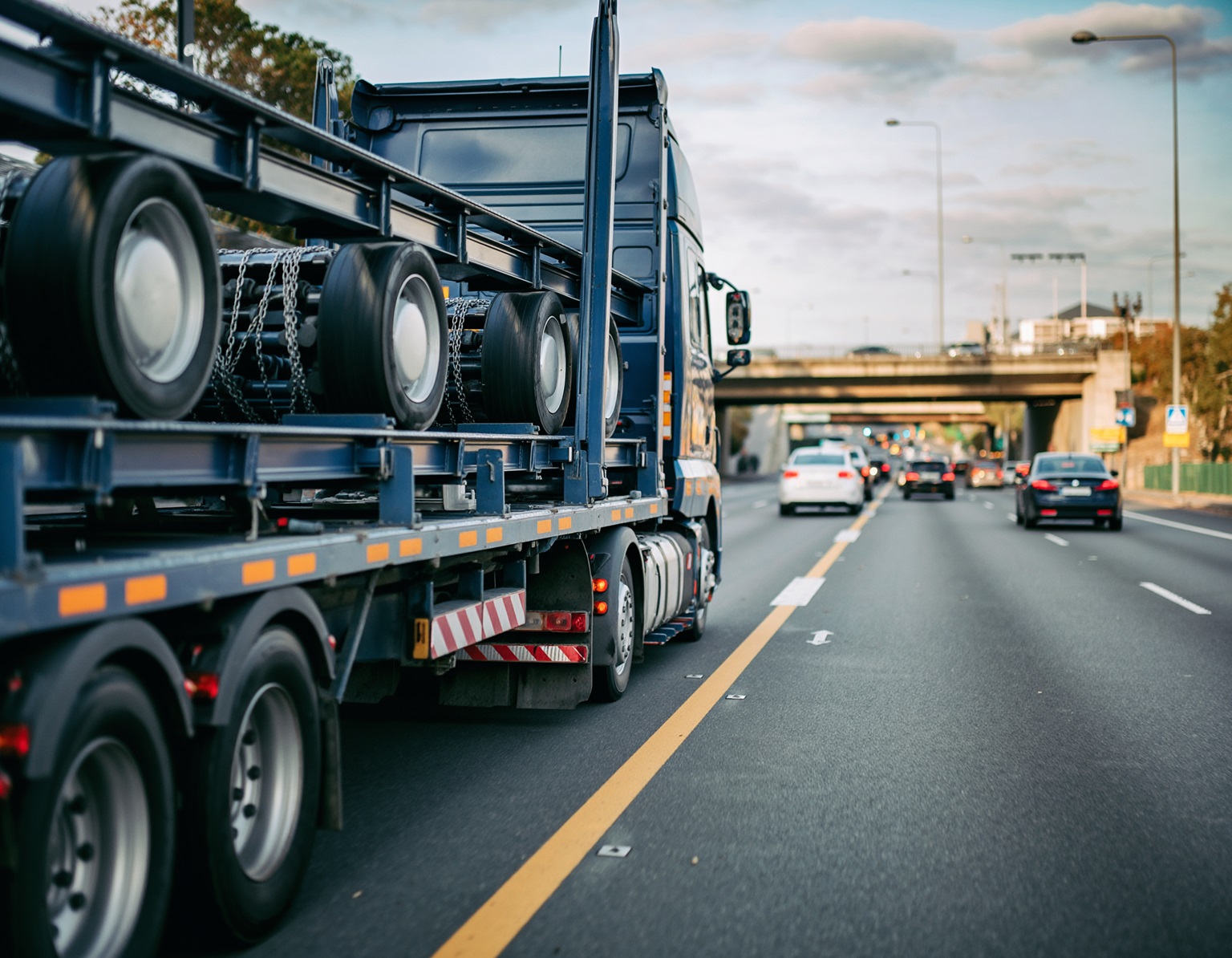
Transporting oversized machinery across Western Australia is an exercise in logistics, engineering, and patience. Mining equipment transport WA operations deal with some of the heaviest loads on the continent, and each move demands precise coordination. When you are shifting multi-tonne excavators, crushers, or graders across remote highways, every kilometre introduces risk, cost, and potential delay.
The Harsh Reality of WA Roads
Western Australia’s transport network covers enormous distances across extreme environments. Many routes servicing mining and construction projects are long, narrow, and subject to rapid deterioration under heat and heavy traffic. Asphalt cracks in summer, floods wash out gravel roads during the wet season, and unsealed sections between regional centres can leave limited room for error.
Even major highways like the Great Northern and the Great Eastern pose challenges for construction equipment transport WA operators. Limited shoulders, single lane sections, and steep gradients make manoeuvring difficult. In some areas, there are hundreds of kilometres between refuelling points or repair services, forcing drivers to plan contingencies for breakdowns or weather interruptions.
Moving machinery wider than the lane width requires escort vehicles, route closures, and constant communication with Main Roads WA. A single misjudgement in clearance or axle load can result in serious damage or multi-day recovery efforts.
Managing Weight, Width, and Balance
Mining and construction machinery often exceeds standard legal limits for vehicle dimensions. These heavy assets require Restricted Access Vehicle permits and comprehensive load configuration documentation before travel.
Key compliance points include:
• Gross weight not exceeding approved bridge and pavement ratings
• Overall width and height measured precisely for route approval
• Load distribution balanced evenly across all axles
• Verified securing points designed for the machinery type
Improperly balanced loads create stress on low loaders, increase braking distance, and heighten rollover risk on uneven surfaces. Equipment such as bulldozers, crushers, or drill rigs must be positioned with exact centre of gravity calculations to ensure transport stability.
Equipment and Fleet Considerations
A successful heavy equipment haul requires more than one strong prime mover. Operators must match trailer type and axle configuration to the specific load. Low loaders, drop decks, and extendable trailers all play different roles depending on equipment dimensions and terrain.
Professional mining and construction transport fleets also carry:
• High-capacity winches for controlled loading and recovery
• Hydraulic suspension systems to adjust deck height
• Chain and binder sets rated well above the machinery’s static mass
• Outriggers and stabilisers to maintain vehicle stability during lifting
In regions where sealed roads give way to sand or gravel, ground pressure becomes critical. Trucks distribute load weight using additional axles or load spreading mats to avoid sinking or road surface damage. When loads require complex coordination, professional support from All Out Towing ensures the right combination of vehicles and equipment is used safely.
The Permit and Compliance Framework
No heavy haulage in WA proceeds without paperwork. Each route, load, and vehicle configuration must be approved under the Main Roads WA Restricted Access Vehicle system. Permits are issued only when safety, engineering, and road integrity conditions are met.
Operators must submit:
• Engineering certificates for trailers and securing equipment
• Load dimension and weight declarations
• Route surveys confirming clearance, bridge capacity, and turning space
• Schedules aligning with approved travel times
Escorts are mandatory once loads exceed specific thresholds. Most oversized convoys require at least one pilot vehicle in front and another behind, along with communication links and traffic management plans. Compliance protects not only the operator but also road users and public infrastructure.
For those managing specialised haulage or needing expert guidance through this process, truck towing services are available to ensure compliance and efficiency on every trip.
Weather, Distance, and Communication Challenges
WA’s size makes every journey an endurance test. A trip from Perth to the Pilbara can take several days, and unpredictable weather can transform a clear route into an impassable track within hours. Floods, dust storms, and high winds regularly interrupt operations.
Effective mining equipment transport WA relies on continuous communication. Satellite systems, GPS tracking, and redundant contact protocols allow operators to report conditions, confirm safe stops, and request assistance if required. When a breakdown occurs hundreds of kilometres from the nearest town, this network ensures help can be dispatched quickly through our 24-hour emergency towing service.
Common Failures and How to Prevent Them
The most frequent incidents during heavy machinery transport involve:
• Tyre blowouts caused by overloading or road debris
• Chain failure due to improper tensioning or wear
• Load shift from uneven terrain or sudden braking
• Clearance miscalculations under bridges or overhead lines
Preventive measures start with inspection. Every component of the haulage combination is checked before departure, including tyres, brakes, lights, and binders. Operators monitor weather and adjust speeds on unsealed sections to minimise stress on securing systems.
Training and experience also play a decisive role. Skilled drivers recognise early warning signs such as steering resistance or trailer sway and can correct them before they escalate.
The True Cost of Poor Planning
Delays in mining or construction transport can cascade through entire projects. If a critical excavator or crusher fails to arrive on time, production halts, crews wait idle, and deadlines slip. Repairing or recovering damaged machinery from a transport incident can cost more than the haul itself.
Fines and legal penalties follow if operators move equipment without proper permits or exceed weight limits. Road damage liability is another hidden expense, as Main Roads WA recovers repair costs from at-fault transport companies.
Proper planning, compliance, and operator competence prevent these setbacks. A structured approach saves more time and money than any shortcut ever could.
The Role of Professional Transport Operators
Professional heavy haulage companies provide the coordination that complex moves require. Their teams manage everything from permit acquisition to on-site loading, ensuring each phase meets regulatory and safety standards.
Engaging a specialist for construction equipment transport WA offers clear advantages:
• Route surveys with clearance and bridge checks
• Communication coordination between escort vehicles and authorities
• Certified load securing methods documented for insurance protection
• Contingency planning for weather or mechanical disruption
Working with experts like All Out Towing means your equipment travels under continuous supervision and full compliance with WA transport law. If assistance is required, you can get in touch with the team for immediate coordination and expert advice.
Local Knowledge as a Safety Advantage
No document or map replaces experience. Operators familiar with WA’s roads know the trouble spots, rest areas, and safe pull over zones. They understand how local councils enforce movement restrictions and which routes remain passable during the wet season.
That practical insight helps avoid costly errors like low clearance bridges or unstable shoulders. It also ensures machinery arrives safely, intact, and ready for work.
Planning for Long-Term Efficiency
For companies running frequent equipment transfers between sites, developing an internal process for heavy haulage pays long-term dividends. Maintain updated machinery specifications, approved route lists, and contact directories for key service providers. Incorporate weather monitoring, compliance tracking, and inspection logs into every move.
The goal is not just one safe delivery but an ongoing system that handles every transport requirement efficiently. The mining and construction sectors in WA thrive on precision and preparedness, and equipment transport should follow that same standard.
If you require support with heavy machinery towing or complex route logistics, contact us for a quote to discuss your project needs.