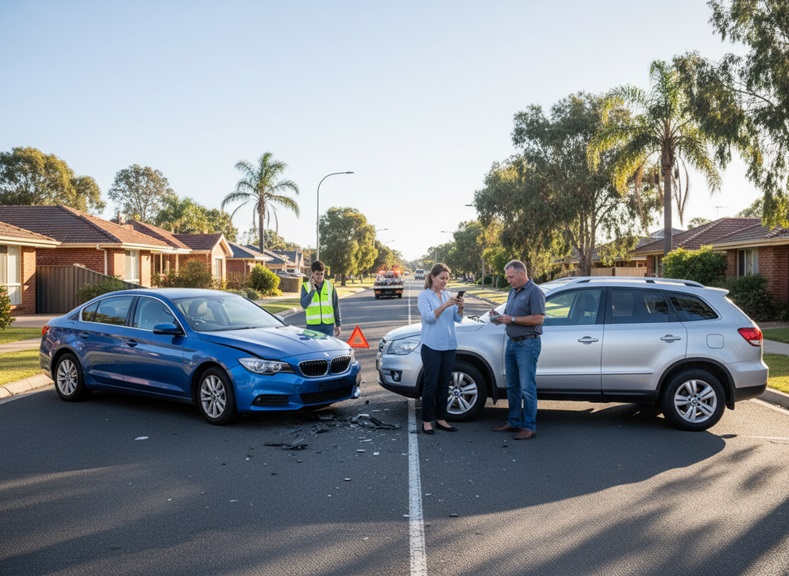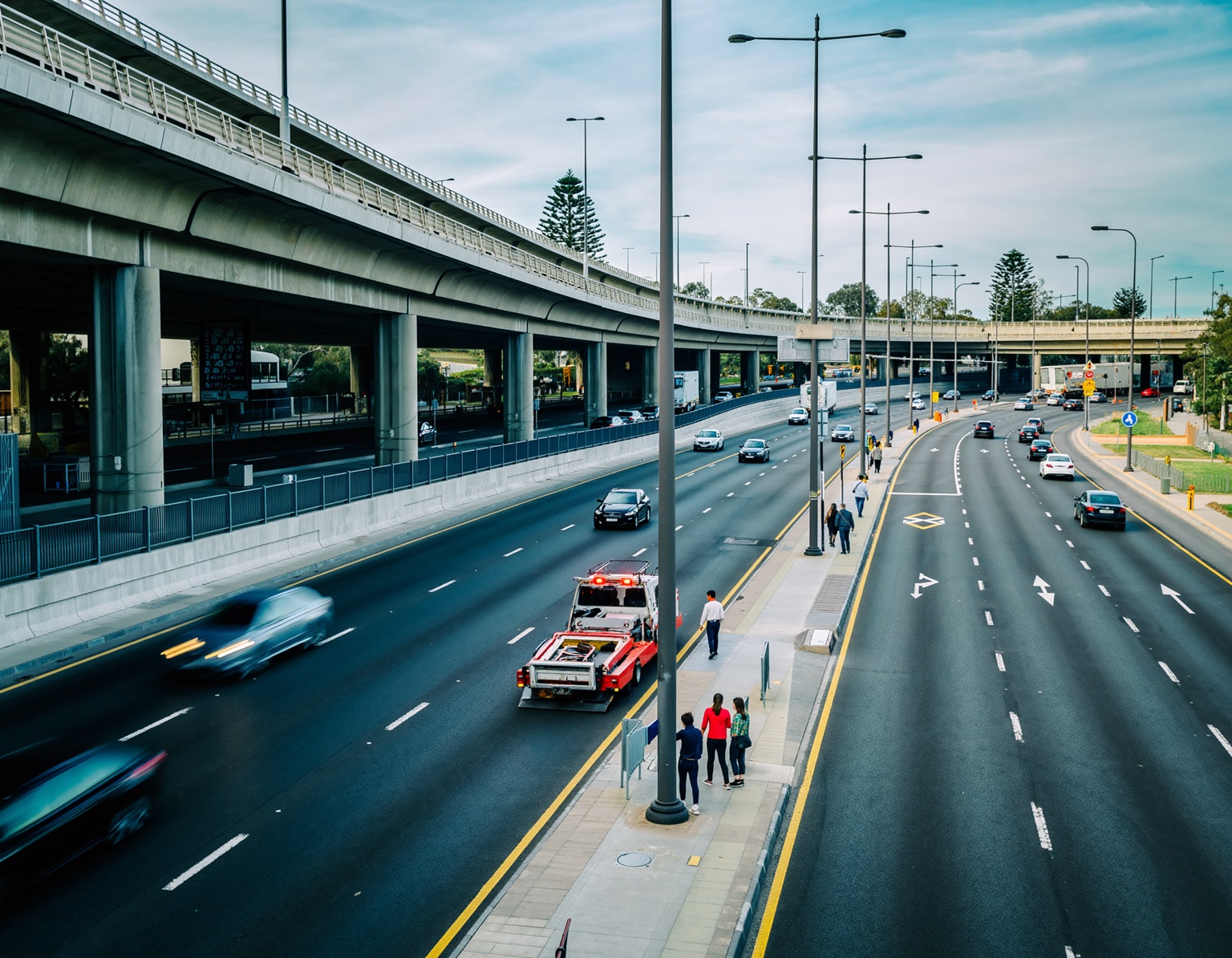
You’re cruising along Joondalup Drive during the evening rush when your engine starts making that noise. You know the one-the sound that tells you something’s about to go very wrong. Your stomach drops because you’re in the worst possible spot: peak hour traffic, nowhere safe to pull over, and a line of impatient drivers behind you.
If you’ve driven around Joondalup for any length of time, you’ll know that certain roads seem to attract breakdowns like magnets. It’s not bad luck or some cosmic joke. These roads share specific characteristics that put extra stress on vehicles, and understanding where these breakdown hotspots Joondalup are helps you prepare before you’re the one stuck on the shoulder with your hazards flashing.
Why Some Roads Break Cars More Than Others
The roads that generate the most callouts for breakdown assistance Joondalup aren’t random. They’re typically major arterials that combine heavy traffic, sustained speeds, and long distances between safe stopping points. Your car works hardest when it’s maintaining highway speeds for extended periods, especially during temperature extremes.
Mitchell Freeway through Joondalup handles over 100,000 vehicles daily during peak periods. That volume means any mechanical issue becomes immediately dangerous because you’ve got seconds to react before you’re blocking a lane. The stress on drivers compounds the mechanical stress on vehicles-you’re less likely to notice warning signs when you’re focused on merging or navigating congestion.
Temperature plays a bigger role than most people realise. On a 38-degree January afternoon, your engine bay can reach temperatures that push cooling systems to their limits. Add stop-start traffic where your engine runs hot without the cooling benefit of airflow, and you’ve created perfect conditions for overheating, battery failures, and blown hoses.
Mitchell Freeway: The Breakdown Highway
The Mitchell Freeway generates more breakdown calls than any other road in the northern suburbs. The combination of high speeds, heavy traffic, and limited emergency stopping bays means small problems escalate quickly. A minor coolant leak that you might nurse home on suburban streets becomes a full engine shutdown when you’re doing 100km/h with no safe exit for three kilometres.
Southbound traffic between Hester Avenue and Hodges Drive represents a particular trouble spot during morning peak. Vehicles have often travelled from much further north, and engines that were already working hard suddenly face stop-start conditions as traffic density increases. If your cooling system has any weakness, this is where it’ll show itself.
The northbound lanes between Ocean Reef Road and Hodges Drive see similar patterns during evening peak. You’re accelerating out of congestion, your engine’s hot from idling, and suddenly you’re asking it to maintain highway speeds. It’s like asking a runner to sprint right after they’ve been standing still in the heat. Older vehicles with marginal cooling systems or weak batteries struggle with this transition.
What Makes This Stretch So Demanding
Limited emergency stopping bays mean you can’t always pull over when you first notice a problem. By the time you find a safe spot, that small issue might’ve become a major failure. The freeway’s design prioritises traffic flow over breakdown recovery, which makes prevention critical.
High-speed traffic means less reaction time when something goes wrong. Your engine doesn’t warn you 10 minutes before it overheats-you get maybe two minutes between the first sign and serious damage. At 100km/h, two minutes gives you very few options.
Joondalup Drive’s Hidden Pressure Points
Joondalup Drive doesn’t look particularly demanding-it’s not a freeway, and speeds are lower. But this road generates consistent breakdown hotspots Joondalup because it combines several stress factors: multiple sets of traffic lights, steep gradient changes near the railway line, and long stretches where you can’t easily pull over safely.
The section between Shenton Avenue and Grand Boulevard sees frequent battery failures. You’re stopping and starting at four major intersections within two kilometres, and each stop-start cycle draws power from your battery while reducing alternator charging efficiency. If your battery’s more than four years old, this stretch will expose any weakness.
Heading westbound from the city towards Edgewater, there’s a noticeable gradient climb as you approach the railway overpass. It’s not dramatic, but it’s enough to make your engine work harder, especially if you’re accelerating from the Boas Avenue lights. Vehicles with transmission issues often struggle here-you’ll notice slipping, delayed engagement, or overheating.
The eastbound section between Lakeside Drive and Joondalup Drive near the hospital precinct creates problems because there’s nowhere safe to stop. If something goes wrong here, you’re either blocking a lane or trying to limp to the hospital carpark. Neither option is ideal, and both create dangerous situations during busy periods.
Wanneroo Road: Distance Wears You Down
Wanneroo Road’s challenge isn’t complexity-it’s relentless distance. If you’re travelling from Joondalup north towards Yanchep or south towards the city, you’re committing to sustained running at 70-80km/h with few safe stopping points between major intersections. This sustained demand exposes cooling system weaknesses, fuel system issues, and tyre problems that might not show up on shorter trips.
The section between Ocean Reef Road and Joondalup Drive generates regular calls for breakdown assistance Joondalup because it’s where northbound drivers first encounter sustained traffic after leaving the freeway area. Your vehicle’s been cruising, then suddenly you’re in stop-start mode with traffic lights every few hundred metres. The transition stresses cooling systems and reveals brake issues that weren’t apparent at highway speeds.
Southbound traffic between Hester Avenue and Ocean Reef Road faces similar challenges. You’ve potentially travelled from Quinns Rocks or further north, your engine’s been working steadily, and now you’re hitting denser traffic. If your fuel pump’s marginal or your fuel filter’s partially blocked, this is where you’ll notice hesitation, stalling, or complete power loss.
Why Long-Distance Routes Are Different
Sustained operation exposes marginal components that work fine on short trips. Your fuel pump might handle 10-kilometre suburban drives without issue but fail after 30 kilometres of steady highway running. Distance reveals what short trips hide.
Fewer service stations and safe stopping points mean you can’t easily pull over when you first notice something’s wrong. You’re committed to reaching the next major intersection or service area, which might be several kilometres away.
Marmion Avenue and the Coastal Route
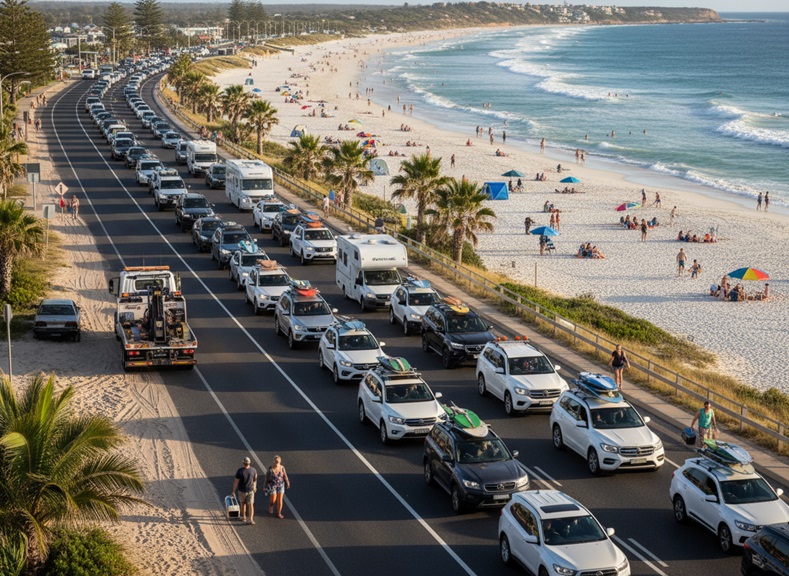
Marmion Avenue presents unique challenges because it’s the main coastal route through the northern beaches. The combination of salt air, sand, and distance from major services means breakdowns here feel more isolated than they actually are. According to Main Roads WA, this coastal corridor carries significant recreational traffic on weekends, which changes the breakdown pattern.
The stretch between Sorrento and Hillarys generates calls for different reasons than inland roads. You’re more likely to see cooling system failures from vehicles that’ve been parked at the beach, where sand gets into radiator fins and reduces cooling efficiency. Battery failures increase because salt air accelerates corrosion on terminals and connections.
Heading north from Hillarys towards Burns Beach, you’re often the only vehicle on certain sections during off-peak times. A breakdown here doesn’t create traffic chaos, but it does leave you more isolated. Mobile reception can be patchy in some sections, which makes calling for help more difficult than it should be.
What Actually Keeps You Safer
Knowing where breakdowns happen most frequently doesn’t prevent mechanical failures, but it changes how you prepare. The goal isn’t to avoid these roads-they’re major arterials you can’t reasonably bypass. Instead, you’re building awareness of where your vehicle faces the most stress and what warning signs matter most in those locations.
Cooling system health matters more on sustained high-speed roads like Mitchell Freeway. If your temperature gauge starts climbing above its normal position, you’ve got minutes, not hours, to act. Don’t convince yourself it’ll be fine until you get home. Pull over as soon as you safely can, even if it means taking the next exit and finding a side street.
Battery condition becomes critical on roads with frequent stops and starts. Joondalup Drive and Wanneroo Road’s traffic light sequences put real demand on batteries that might test fine in a workshop but struggle under actual load. If your engine’s cranking slower than usual on cold mornings, don’t wait for it to fail during evening peak on Joondalup Drive.
Tyre pressure and condition matter most on long-distance routes like Wanneroo Road and Marmion Avenue. Under-inflated tyres generate more heat, which increases failure risk during sustained driving. A tyre that looks fine in your driveway can develop a dangerous bulge or blowout after 20 kilometres of highway driving on a hot day.
The Preparation That Actually Matters
You don’t need a fully stocked roadside emergency kit with flares, first aid supplies, and emergency rations. That’s overkill for metropolitan Perth. What you need is specific preparation for the most likely scenarios on these breakdown hotspots Joondalup.
Essential Breakdown Preparation
- Keep your mobile phone charged. It sounds obvious, but dozens of breakdowns involve drivers with dead phones who can’t call for help. A car charger costs $15 and eliminates this problem entirely.
- Know your location. If you’re driving routes like Marmion Avenue where reception can be patchy, note the last cross street or landmark you passed.
- Save emergency numbers. Having All Out Towing‘s number saved means you’re not searching for breakdown assistance Joondalup while you’re stressed and traffic’s rushing past.
- Understand warning signs. That subtle vibration at highway speeds, the slightly longer cranking time, the temperature gauge sitting just higher than normal-these aren’t things to monitor and ignore.
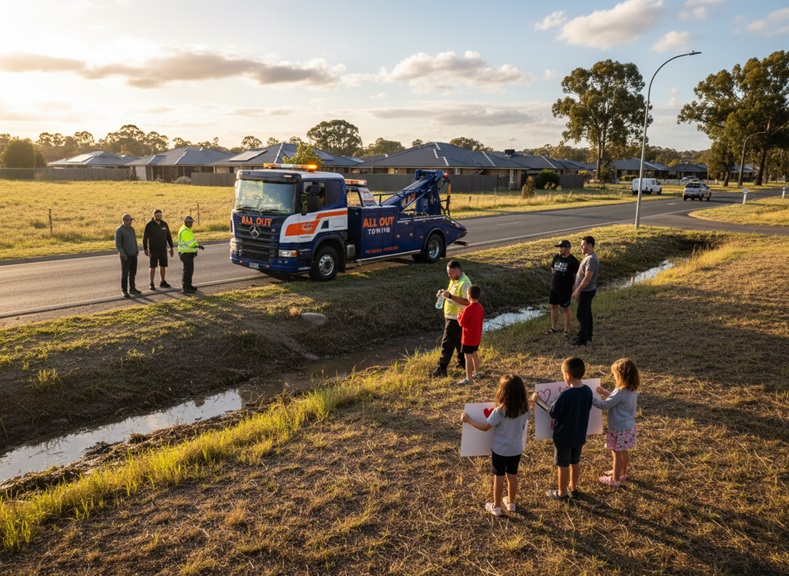
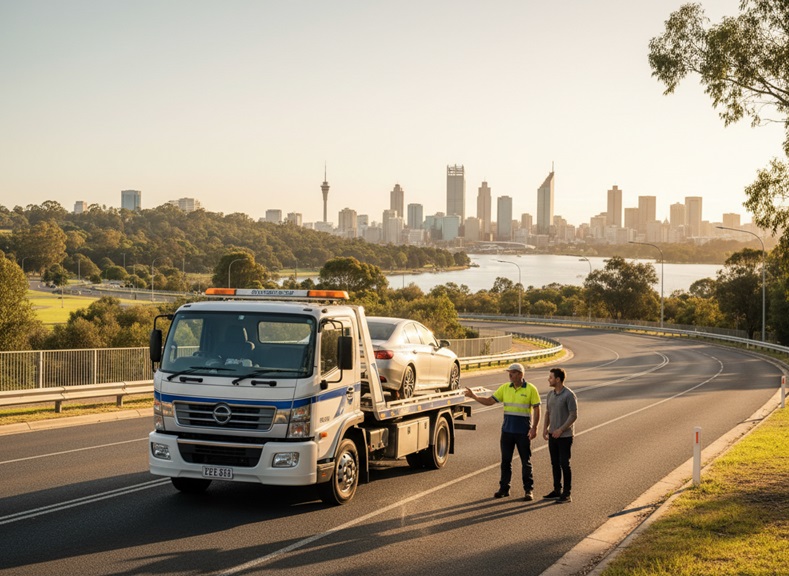
We provide 24/7 emergency towing across Perth, which matters when you break down at 11pm on Mitchell Freeway. Response time isn’t just about convenience-it’s about safety.
When Warning Signs Appear
The gap between noticing a problem and experiencing a breakdown is often shorter than you think, especially on demanding roads. Your engine doesn’t gradually overheat over 30 minutes-it runs normally until it doesn’t, and then you’ve got perhaps two minutes before you’re doing serious damage.
If your temperature gauge starts rising above normal, immediately reduce your speed and turn off your air conditioning. These two actions reduce engine load and buy you time to reach a safe stopping point. Don’t try to make it home or to your usual mechanic if you’re on Mitchell Freeway or Wanneroo Road. The cost of a tow is nothing compared to the cost of a destroyed engine.
Strange noises deserve immediate attention, not investigation. If something under your bonnet starts squealing, grinding, or knocking, you’re hearing a component failing in real-time. Pull over safely as soon as possible. That squealing belt might last another 50 kilometres or it might last another 500 metres-you don’t know, and gambling on it while you’re doing 100km/h isn’t worth the risk.
Dashboard warning lights aren’t suggestions. The engine warning light, oil pressure light, or battery light all indicate problems that can cause immediate breakdowns. Modern vehicles have sophisticated monitoring systems-when they warn you, they’re typically detecting problems you can’t see or feel yet. According to the Department of Transport WA, ignoring warning lights is a common factor in preventable breakdowns.
Why Location Changes Everything
Breaking down on a suburban side street is inconvenient. Breaking down on Mitchell Freeway during peak hour is dangerous. The location fundamentally changes the risk level, the urgency of response, and the complexity of getting help.
High-speed roads require faster response times because you’re in immediate danger from passing traffic. Even with your hazards on and your vehicle on the shoulder, you’re vulnerable. Every minute you’re stopped on Mitchell Freeway or Wanneroo Road increases your risk. Our car towing services prioritise callouts from high-risk locations because we understand this urgency.
Roads without shoulders or safe stopping points create impossible choices. If you break down on the busy section of Joondalup Drive near the hospital, you’re either blocking traffic or trying to coast into a carpark that might be hundreds of metres away. Neither option is safe, which is why prevention matters more on these routes.
High-Risk Breakdown Locations Require Different Responses
- Mitchell Freeway: High-speed traffic, limited shoulders, immediate danger from passing vehicles
- Joondalup Drive near hospital: No safe stopping points, high traffic volume, difficult access for tow trucks
- Wanneroo Road between major intersections: Long distances without safe areas, sustained high speeds
- Marmion Avenue coastal sections: Isolation, patchy mobile reception, distance from services
The Reality of Breakdown Timing
Breakdowns don’t happen randomly throughout the day-they cluster around specific times that correspond with how hard your vehicle’s working. Morning and evening peaks generate the most callouts because vehicles are under sustained load in challenging conditions.
Monday mornings see increased battery failures because batteries that were marginal on Friday have sat unused all weekend, especially during winter. If your car’s slow to start on Monday morning, don’t assume it’ll improve throughout the week. It won’t. You’re one cold morning away from a no-start situation.
Friday afternoons generate cooling system failures because vehicles have accumulated a full week of heat stress. That small coolant leak that’s been seeping slowly all week finally drops your coolant level below the critical threshold, and your engine overheats on your drive home.
Summer afternoons between 2pm and 6pm represent peak breakdown time. Ambient temperatures are highest, engines are hottest, and cooling systems are working hardest. If you’re driving an older vehicle with a marginal cooling system, this is when it’ll fail. The combination of heat and peak-hour traffic on roads like Joondalup Drive creates perfect breakdown conditions.
Building Actual Confidence
But what’s the difference between hoping your car will be fine and actually knowing you’re prepared? Confidence on these busy roads doesn’t come from wishful thinking-it comes from knowing your vehicle’s condition and having a clear plan for when things go wrong.
Schedule preventive maintenance based on how you actually use your vehicle, not just the service book intervals. If you’re commuting daily on Mitchell Freeway or Wanneroo Road, your vehicle’s working harder than one that does short suburban trips. Cooling system checks, battery testing, and tyre inspections matter more for you than for someone who drives 5km to the shops twice a week.
Learn what normal feels like for your specific vehicle. How long does it usually take to start? What’s the normal position for your temperature gauge? How does your steering feel at highway speeds? When you know your vehicle’s normal behaviour, you’ll notice changes early-that’s your warning system.
Keep the number for reliable breakdown assistance Joondalup saved and accessible. When something goes wrong, you want to make one call to someone who’ll respond quickly and professionally. We’ve helped thousands of drivers get off these exact roads safely, and we understand the urgency these locations demand. Get in touch with our team to discuss your specific needs or save our number for when you need it.
Smart Preventive Measures
- Monthly visual checks: Coolant levels, battery terminals, tyre pressure and tread depth
- Professional servicing: Every 6-12 months depending on usage, not just when something breaks
- Warning sign awareness: Don’t ignore small changes in how your vehicle performs
- Emergency contacts ready: Save towing and roadside assistance numbers before you need them
The roads around Joondalup aren’t going to get less busy or less demanding. Traffic volumes increase every year, and summer temperatures aren’t getting cooler. What you can control is your vehicle’s condition and your preparation for the most likely scenarios.
That preparation-boring as it sounds-is what keeps you moving instead of stuck on the shoulder watching traffic stream past. When you understand where the breakdown hotspots Joondalup are and why they’re demanding, you’re not driving with anxiety. You’re driving with awareness. There’s a difference.