A car accident in Perth can shake anyone. One moment you’re driving along, the next your heart’s racing and your thoughts are all over the place. It’s completely normal. In those first few minutes, your body floods with adrenaline, making it hard to think clearly.
What happens next matters. The steps you take can protect you, your passengers, and your vehicle. After more than fifteen years responding to collisions across Perth, from minor bumps on Wanneroo Road to serious crashes on the Mitchell Freeway, one thing’s clear: people who know what to do handle the situation far better.
Here’s a simple, practical guide that will help you stay calm and take the right actions when every second counts.
1. Check Yourself and Your Passengers First
Before you look at the vehicles or reach for your phone, pause and check for injuries. Ask yourself and your passengers if anyone feels pain or dizziness. Kids, in particular, might not say they’re hurt unless asked directly.
If anyone’s injured, even slightly, call 000 immediately. Internal injuries and shock can hide symptoms, so never assume you’re fine. If everyone’s okay and alert, move to the next step. But if you’re unsure, get medical help before worrying about the cars.
2. Make the Scene Safe
Your first priority is preventing another accident. If the vehicle still drives, move it off the road, onto the left shoulder or a nearby side street. Leaving it in a live lane can cause more danger, especially during peak traffic.
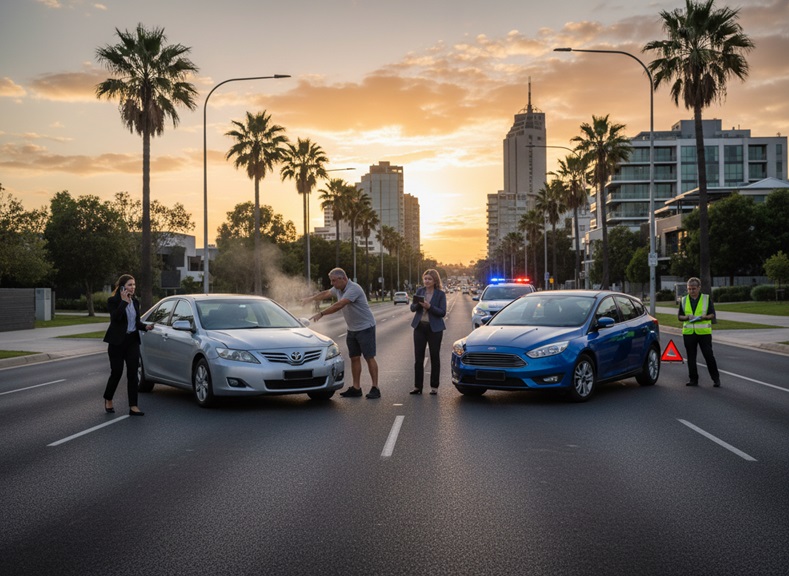
If the car can’t move, turn on your hazard lights and place your warning triangle about 20 metres behind the vehicle if you have one. At night or in poor weather, visibility becomes critical.
If you feel unsafe stepping out, stay inside with your seatbelt on until help arrives. Standing beside a damaged car on a busy road can be riskier than waiting inside.
3. Call the Police if Required
You must report the crash to WA Police if anyone’s injured, if another driver leaves the scene, or if there’s significant property damage. Reports should be made within 24 hours, but doing it sooner is always better.
For minor collisions where no one’s hurt, you can usually exchange details and contact your insurer instead. Still, if there’s disagreement about what happened or you feel uneasy about the other driver’s behaviour, it’s wise to call the police. A proper report protects you later if stories change.
4. Exchange Information Correctly
Under the Road Traffic Act 1974, all drivers involved must exchange details. Collect the other driver’s full name, address, phone number, driver’s licence, registration, and insurance information. Take clear photos of their documents, it’s faster and prevents errors.
Provide your own details in return. Leaving without doing so is an offence, even if you weren’t at fault.
If the other driver becomes aggressive or refuses to cooperate, stay in your car with the doors locked and call the police. Keep your focus on safety, not arguments about blame.
5. Document Everything with Photos
Use your phone to record the entire scene. Capture all vehicles from multiple angles, showing both overall positions and close-ups of damage. Photograph skid marks, debris, signage, and road conditions. If the sun or a blind corner contributed, include that too.
Get at least one clear photo of the other car’s number plate and take wide shots of the scene. These details can make insurance claims smoother and prevent disputes later.
6. Get Witness Details
If anyone saw the accident, politely ask for their name and phone number. You don’t need formal statements, just enough information so your insurer or police can follow up.
Witnesses are valuable if the other driver disputes fault. Even one neutral account can make all the difference in clarifying what really happened.
7. When You Need Professional Help
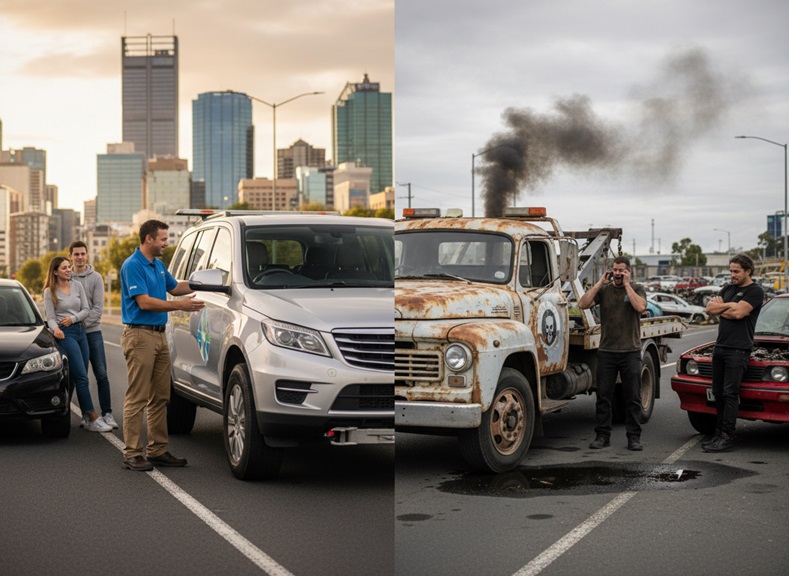
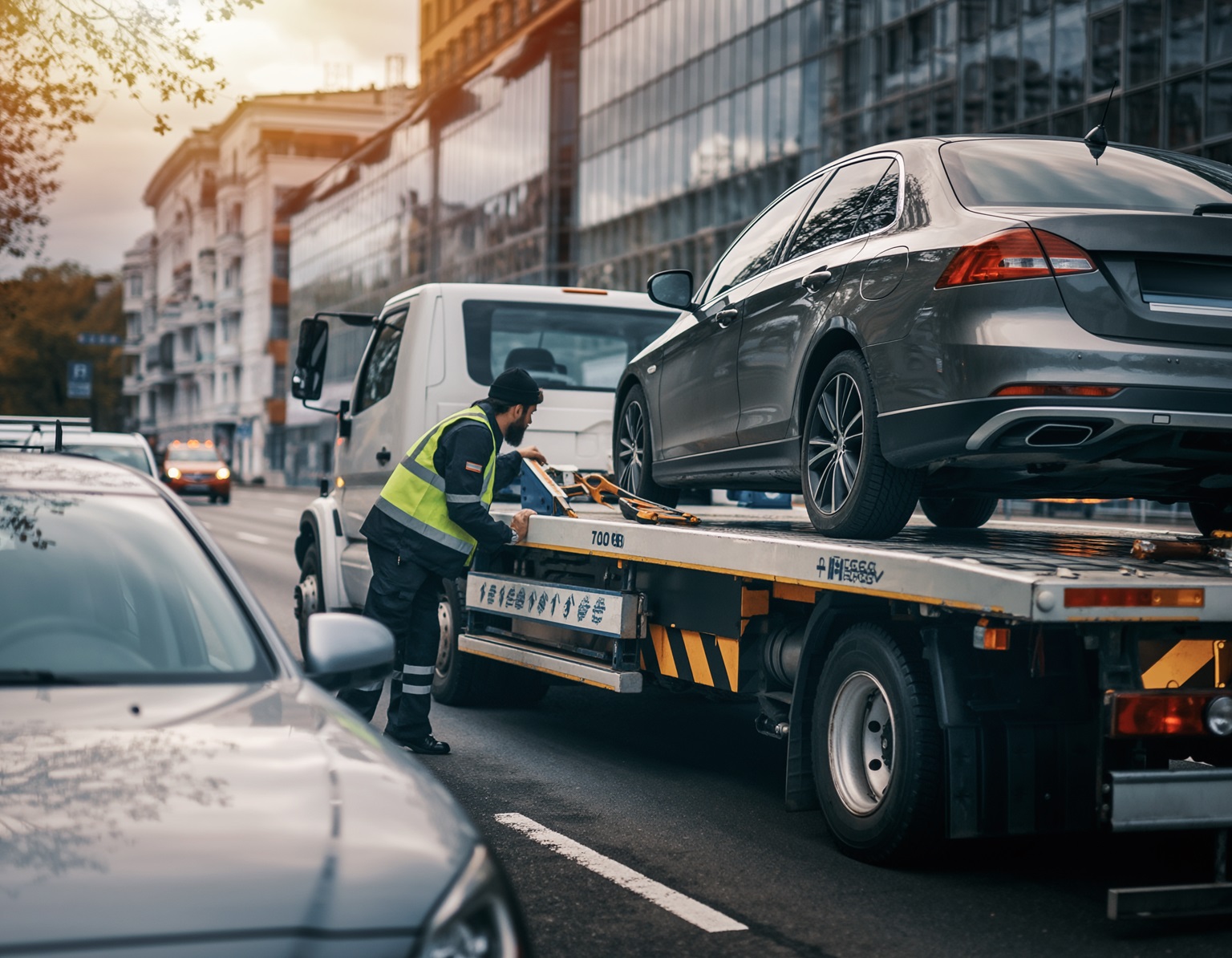
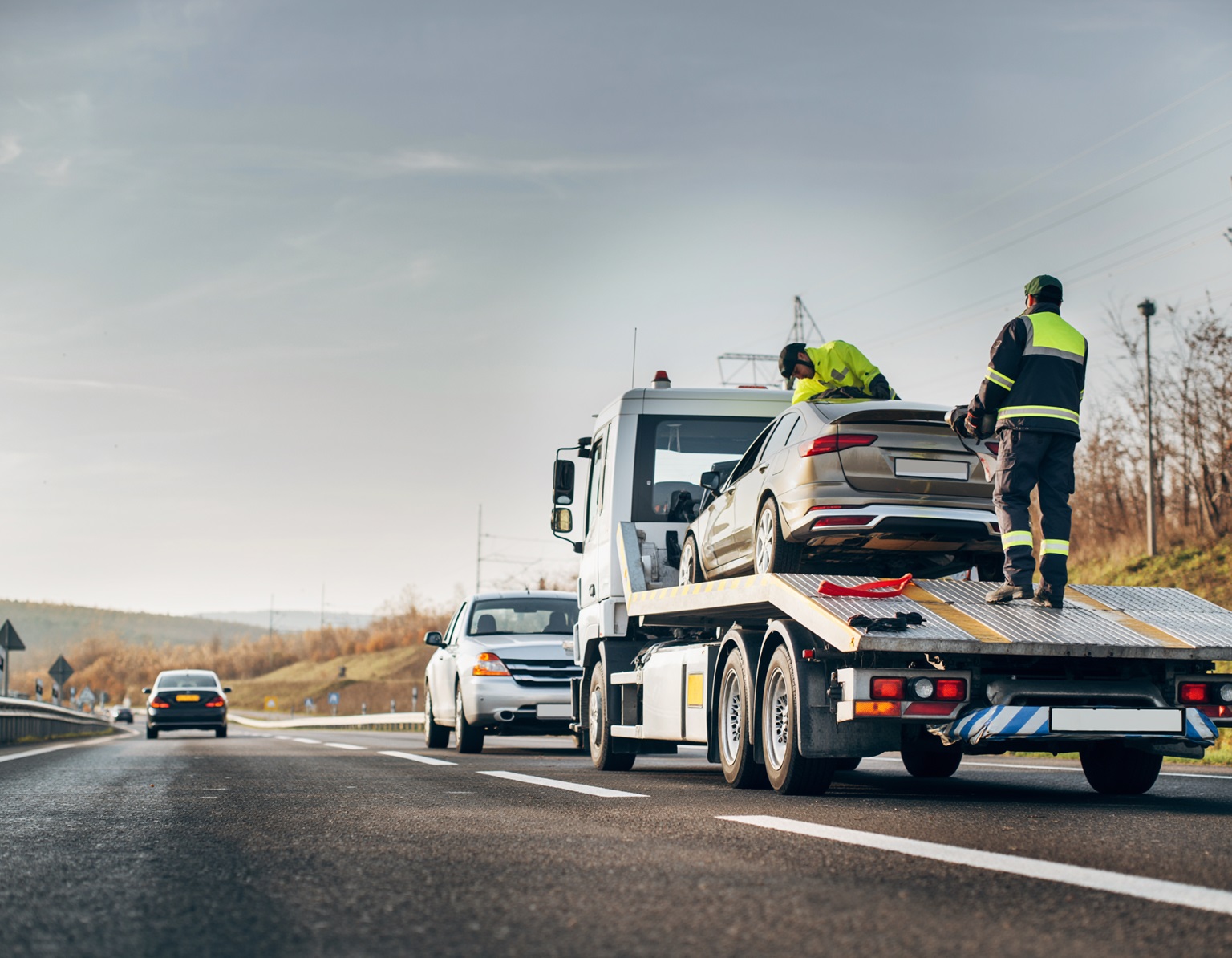
If your car’s not driveable, it’s time to arrange towing. Avoid accepting help from random operators who arrive uninvited, you’re not required to use them. You have the right to choose your own service.
At All Out Towing, our team has assisted thousands of Perth drivers after accidents. We’re upfront about costs before moving your vehicle, and we handle everything safely and professionally. If you ever need accident towing Perth drivers can rely on, it’s best to call a trusted company you’ve already researched or one your insurer recommends.
Even if your car looks fine, hidden damage can make driving dangerous. When in doubt, have it towed rather than risk further problems on the road. You can request professional accident towing anytime, our response team operates 24 hours a day across Perth.
8. Contact Your Insurance Company Promptly
Notify your insurer within 24 hours if possible. Provide your photos, driver details, and witness information. Be clear and accurate, honesty helps your claim process go smoothly.
Avoid settling privately with the other driver, even for small dents. Repair costs often exceed expectations, and private agreements can backfire if someone changes their mind. Insurance protects you legally and financially.
9. When the Other Driver Leaves
If another vehicle hits you and drives off, treat it as a hit-and-run. Call police immediately and share as many details as you can, make, model, colour, registration, and direction of travel.
Look for nearby security or dash cameras that may have captured footage. Many Perth homes and businesses now have recording systems that can help police track the driver. Report the incident to your insurer too. Even if the offender isn’t found, you might still be covered under your policy.
10. Handling the Emotional Impact
You might be physically fine but still feel shaken. It’s normal to replay the event or feel nervous about driving again. Your body’s response to fear doesn’t switch off instantly.
Give yourself time to recover. If anxiety or sleeplessness persists, speak to your GP, post-accident stress is real and treatable. The goal is to get back on the road feeling confident and safe again.
11. Be Ready for the Unexpected
You won’t remember every detail in the moment. What matters is knowing the basics: check for injuries, make it safe, call for help, exchange details, and document everything.
Keep a printed checklist in your glovebox or a quick note on your phone. If you ever face a car accident in Perth, this guide will help you think clearly when it matters most.
If you’re ever stranded or unsure what to do, you can always get in touch with our team. We’ll help you arrange towing, recovery, or roadside assistance without adding to your stress.
We’ve been there many times, and we understand how overwhelming it feels. You can count on us to get your vehicle to safety and guide you through the next steps calmly and professionally.