Breaking down on the Mitchell Freeway at 2 AM isn’t just inconvenient-it’s downright dangerous. You’re stranded in the dark, cars whizzing past at 100km/h, and you need help fast. That’s when you reach for your phone, hoping to find a reliable tow truck service that can get to you quickly.
The towing industry in Perth is experiencing a digital transformation. While traditional phone calls to dispatch centres still dominate, a new wave of towing app Perth solutions is emerging, promising faster response times and more transparent service. But here’s what we’ve learned after 15 years on Perth roads: technology only works when it’s backed by real people who understand local conditions.
The Current State of Digital Towing Services in Perth
Right now, most Perth residents still rely on Google searches or saved phone numbers when they need emergency towing. You’ve probably been there-scrolling through search results while your car’s hazard lights flash, trying to figure out which company actually services your area at this hour.
The reality is that Perth’s towing industry operates differently from eastern states markets. Our city’s sprawl means coverage areas are vast-from Two Rocks to Mandurah is over 150 kilometres. That’s like trying to cover the distance from Sydney to Newcastle with a single towing fleet.
What we’re seeing is a gradual shift. Some companies now offer SMS updates about arrival times. Others have basic online booking forms. But full-featured apps that let you track your tow truck in real-time? They’re still rare in Perth’s market.
How Towing Apps Actually Work (and When They Don’t)
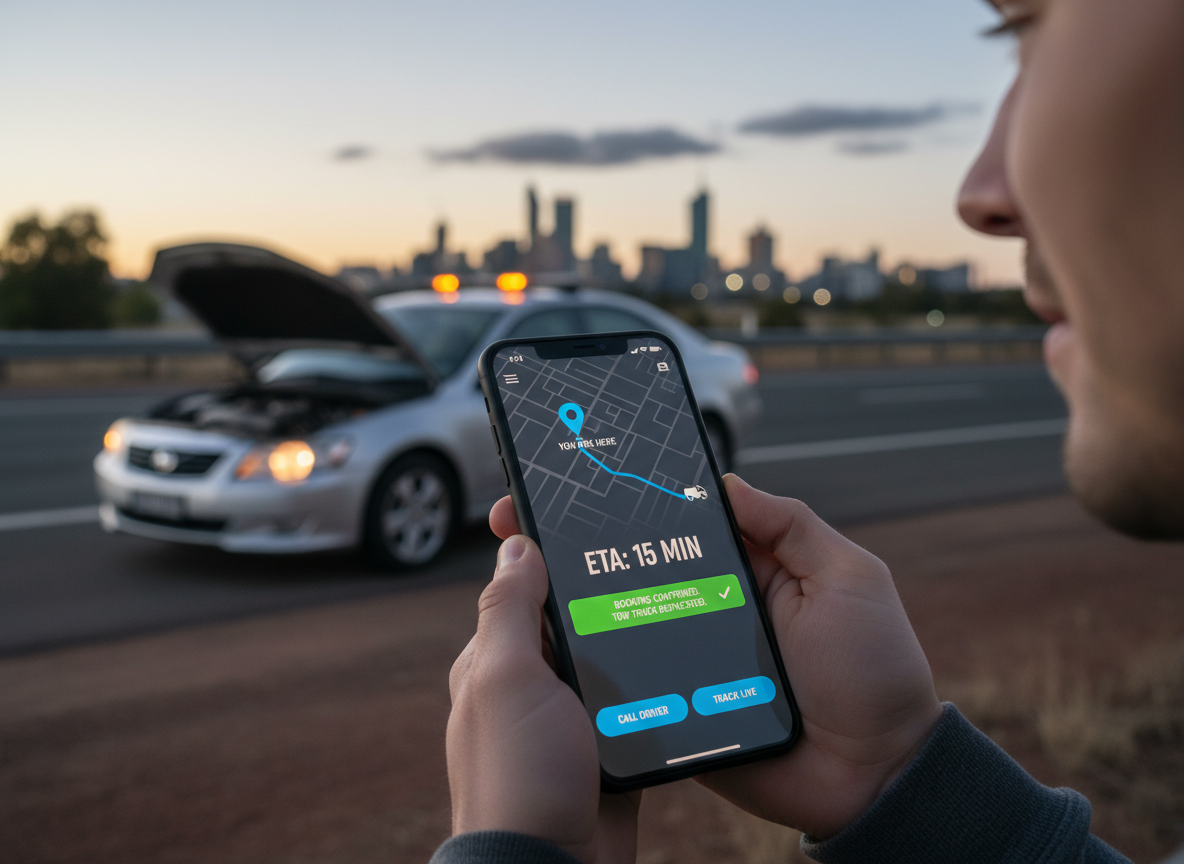
Think of a towing app like Uber for broken-down vehicles. You open the app, drop a pin on your location, select your vehicle type, and request service. The app shows you the nearest available tow truck and gives you an estimated arrival time.
Sounds simple, right? Here’s where it gets complicated.
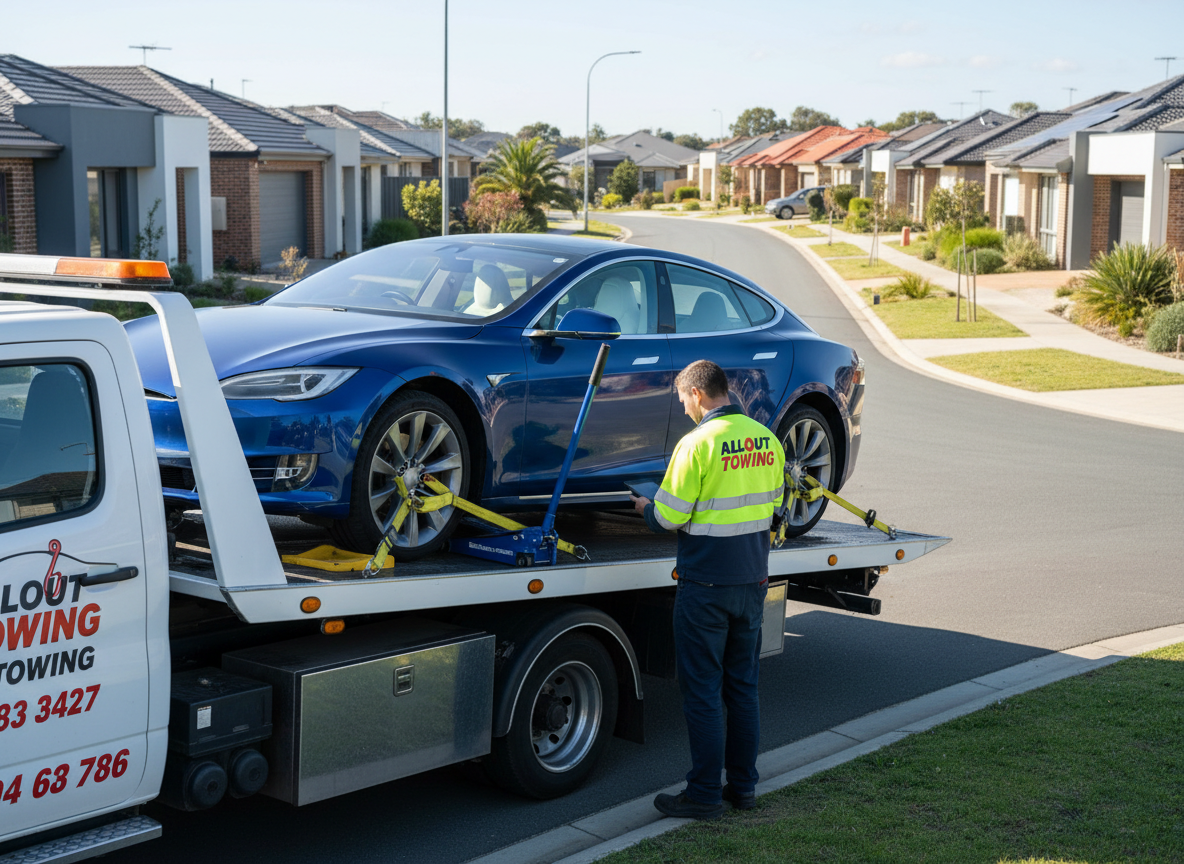
Unlike ride-sharing, towing requires specific equipment for different situations. A motorcycle needs different gear than a 4WD. A lowered sports car can’t go on a standard tow hook without damage-it needs our tilt tray services. An app needs to capture all these details accurately, or you’ll end up with the wrong truck showing up.
Weather conditions matter too. During Perth’s winter storms, when trees fall across roads and visibility drops to near zero, GPS coordinates alone won’t cut it. The driver needs local knowledge-knowing that Gnangara Road floods at certain points, or that the Kwinana Freeway on-ramp near Canning Highway becomes a wind tunnel in storms.
The Technology Behind Modern Towing Dispatch
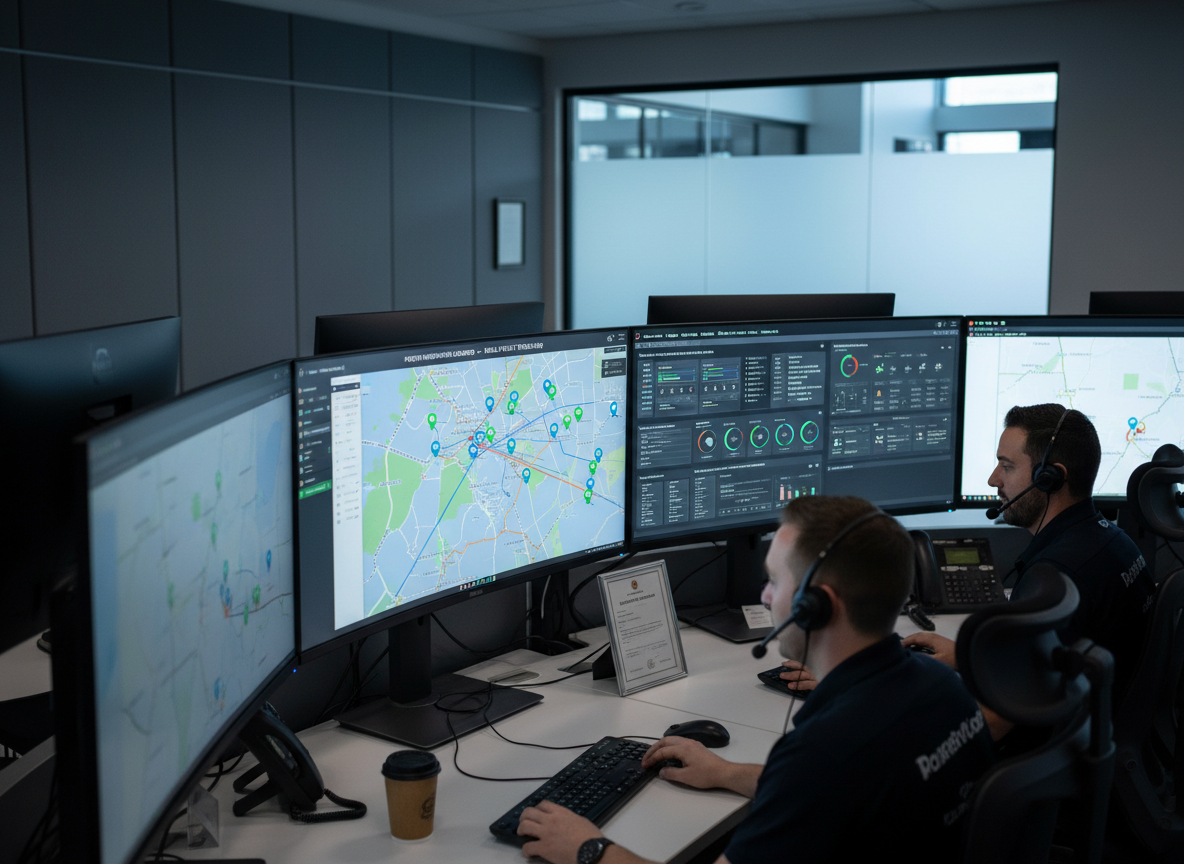
Modern towing dispatch systems use a combination of GPS tracking, automated dispatch algorithms, and real-time traffic data. When you request service through an app, here’s what happens behind the scenes:
The system identifies your exact location using your phone’s GPS. It then searches for available tow trucks within a certain radius-usually starting at 10km and expanding outward. The algorithm considers factors like current jobs, traffic conditions, and equipment compatibility.
But here’s the catch: algorithms can’t replace human judgment. When you’re stuck with a heavy machinery breakdown on a construction site, you need someone who understands load limits, site access restrictions, and permit requirements. An app might show a truck is “5 minutes away,” but if it’s not equipped for a 10-tonne excavator, those 5 minutes mean nothing.
Real Benefits We’re Seeing From Digital Integration
The parts of digital technology that actually improve towing services aren’t always the flashiest. Here’s what’s making a real difference:
Accurate location sharing eliminates the guesswork. Instead of trying to describe that you’re “near the BP on Tonkin Highway, but not the one near the airport,” you can share exact coordinates. This cuts response times by 15-20 minutes on average.
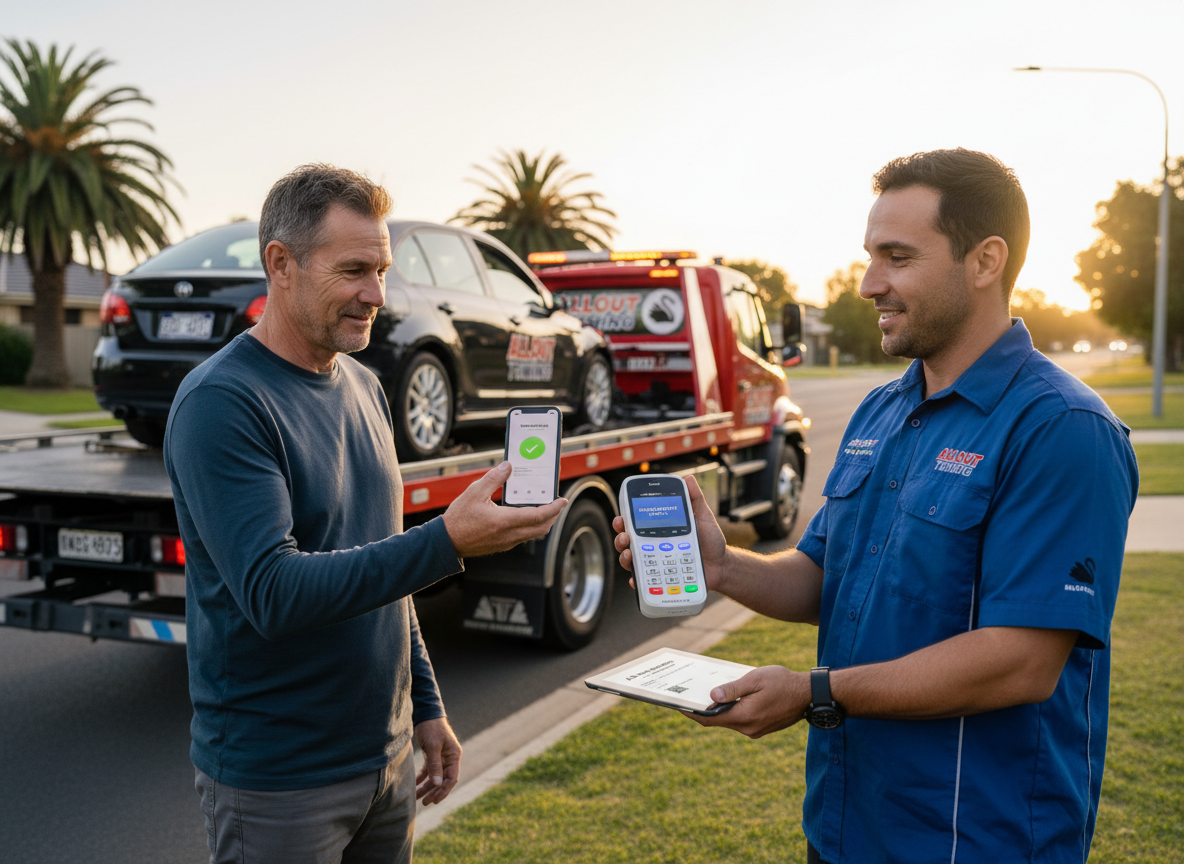
Digital payment processing means no fumbling for cash at 3 AM. You can pay securely through the app, get an instant receipt, and forward it straight to your insurance company.
Service history tracking helps with insurance claims and warranty issues. Having a digital record of exactly when and where your vehicle was towed, plus photos of its condition, prevents disputes later.
Real-time ETAs reduce anxiety. Knowing your tow truck is genuinely 12 minutes away beats wondering if “on the way” means 10 minutes or an hour.
The Challenges Unique to Perth’s Market
Perth presents unique challenges for app-based towing services. Our urban sprawl means a tow truck in Joondalup might be 45 minutes from a breakdown in Armadale, even without traffic. That’s assuming direct freeway access-add in peak hour congestion or roadworks, and times blow out further.
Then there’s the variety of towing needs. In the CBD, it’s mostly standard car towing and parking violations. Head out to Mundaring or Serpentine, and you’re dealing with 4WDs stuck on bush tracks. The northern suburbs see lots of boat transport requests. Southern industrial areas need container transport and heavy machinery moves.
An app that works great for city breakdowns might be useless for rural recoveries where mobile coverage is patchy. We’ve pulled plenty of vehicles from spots where you can’t even make a phone call, let alone use a data-heavy app.
What Perth Drivers Should Look for in Towing Technology
If you’re considering using an app-based towing service, here’s what actually matters:
Offline functionality: Can you save your details and vehicle information for quick access without data? When your phone’s struggling for signal on Indian Ocean Drive, this becomes crucial.
Clear pricing structure: The app should show estimated costs upfront, not surprise you with “after hours” or “difficult access” fees when the driver arrives.
Equipment visibility: You should see what type of tow truck is coming. There’s no point waiting 30 minutes for a truck that can’t handle your lowered WRX or lifted Patrol.
Direct driver contact: Sometimes you need to explain that your car’s in an underground car park with 1.8m clearance, or that the handbrake’s stuck on. Apps that don’t allow driver communication cause problems.
The Human Element Still Matters
Here’s something apps can’t replicate: the reassurance of talking to someone who’s seen your exact situation before. When you call for 24-hour emergency towing, you’re often stressed, maybe shaken up from an accident, possibly dealing with kids in the car or work deadlines.
A good operator does more than dispatch a truck. They’ll talk you through safety steps-getting everyone out of the vehicle on the freeway, where to stand safely, whether you need police attendance. They’ll explain what happens next, coordinate with your insurance company, and make sure you understand your options.
We’ve found that combining digital efficiency with human expertise works best. Use technology for what it’s good at-location sharing, payment processing, record keeping. But keep experienced people in the loop for complex decisions and emergency support.
Preparing for the Future of Towing Services
The next five years will see significant changes in how Perth residents access towing services. Here’s what’s coming:
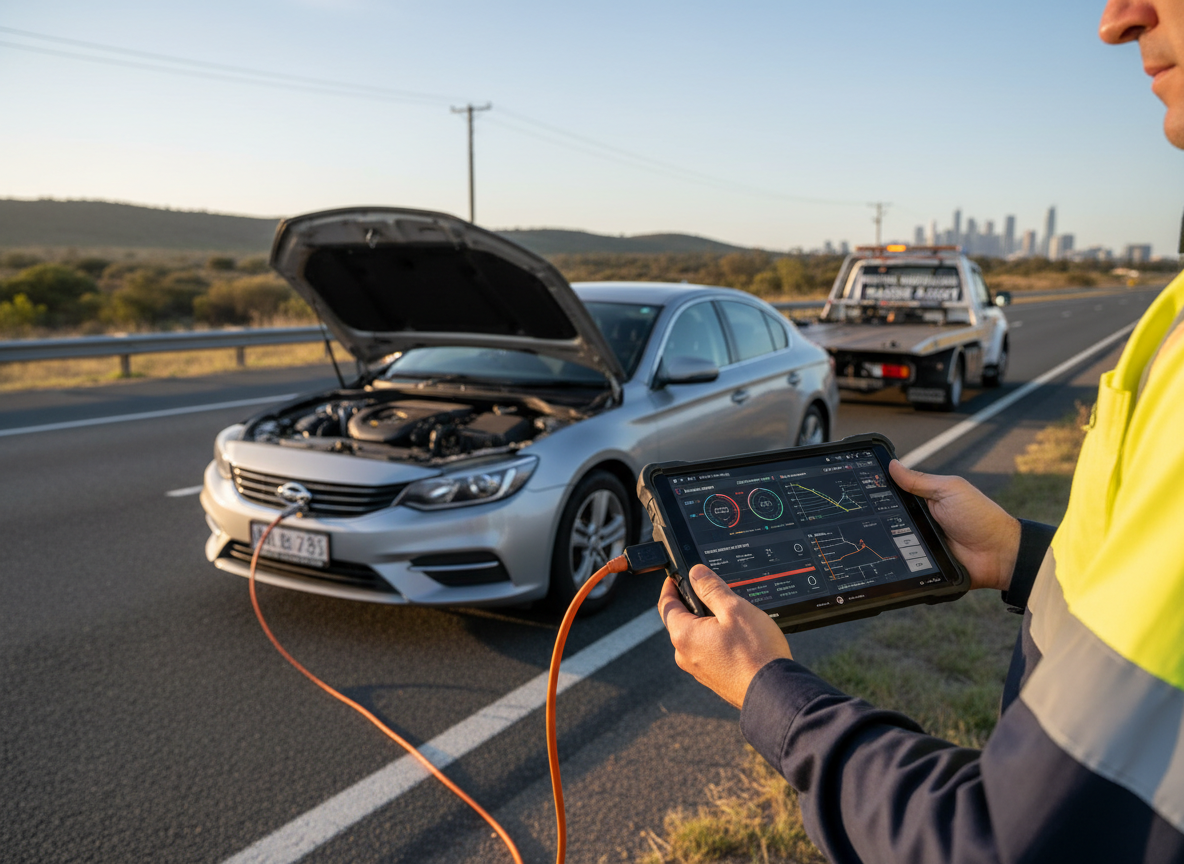
Integration with vehicle systems: Newer cars already call for help automatically after accidents. Soon, they’ll transmit detailed diagnostic data to towing companies, letting us know if you need roadside assistance for a simple flat battery or full towing for transmission failure.
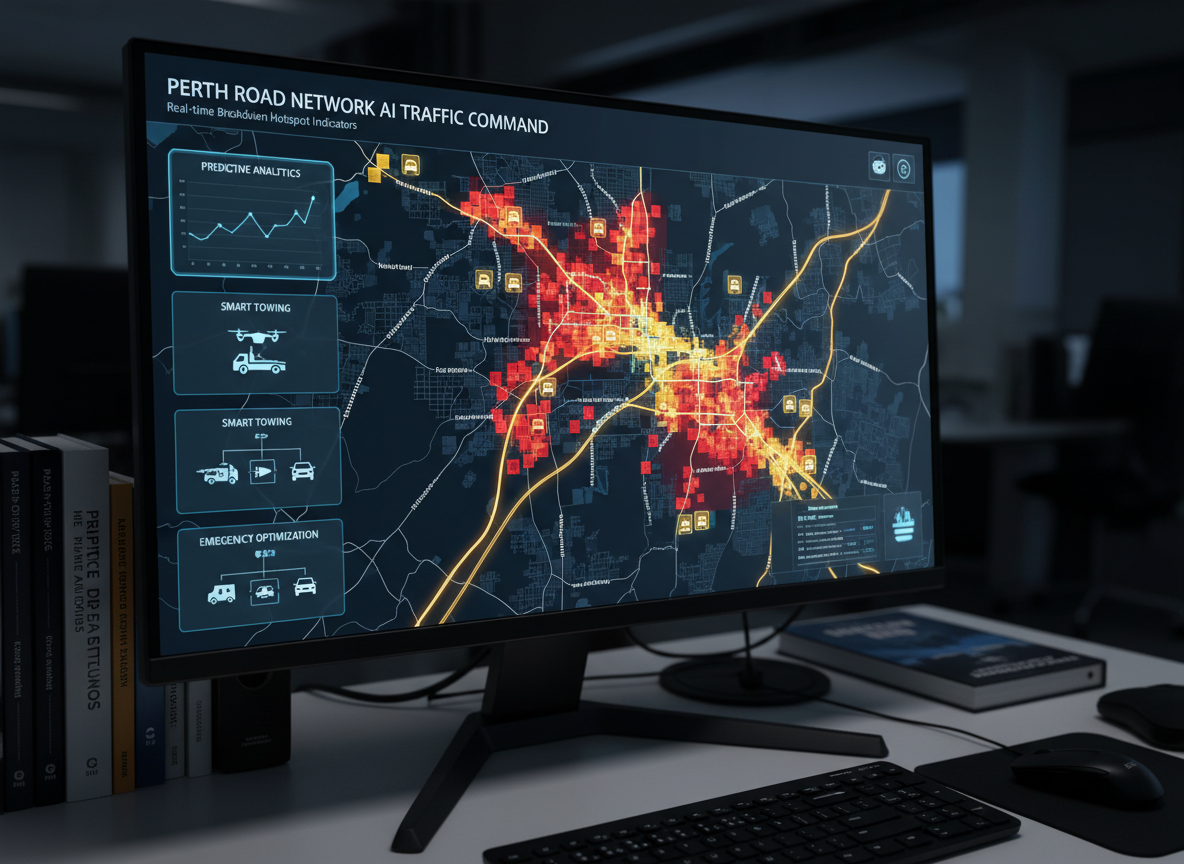
Predictive dispatch: AI systems will analyse traffic patterns, weather conditions, and historical breakdown data to pre-position tow trucks where they’re most likely needed. Friday afternoon on the Kwinana Freeway? There’ll be trucks staged nearby.
Augmented reality for location sharing: Instead of describing landmarks, you’ll be able to show exactly where you are through your phone’s camera, with AR overlays guiding the tow truck to your precise position.
Automated damage documentation: Apps will use your phone’s camera to create 3D models of vehicle damage, creating indisputable records for insurance purposes.
Making Smart Choices Today
While we wait for these innovations, here’s how to best use current technology for towing needs:
Save important numbers in your phone contacts, not just in an app. Include your preferred towing service, insurance company, and emergency contacts. Apps fail, phones die, but a written number in your wallet still works.
Take photos before any towing service. Document your vehicle’s condition, the accident scene if applicable, and any visible damage. These prove invaluable for insurance claims later.
Know your vehicle’s requirements. Does it need flatbed towing? Is it all-wheel drive? Modified suspension? Having this information ready speeds up getting the right equipment to you.
Understand your insurance coverage before you need it. Some policies specify preferred towing providers or distance limits. Others cover accident towing but not mechanical breakdowns.
The Reality Check on App-Based Towing
Let’s be honest about what technology can and can’t do for towing services. Apps excel at routine, straightforward jobs in well-covered areas. Broken down at Carousel Shopping Centre? Perfect use case. Need your prestige car moved from a showroom to your home? Apps handle this well.
But when you’re dealing with complex situations-a truck rollover on Great Northern Highway, machinery stuck in soft sand at a construction site, or a boat trailer jack-knifed on a boat ramp-you need experienced operators making decisions, not algorithms.
The sweet spot is hybrid services that use apps for initial contact and basic logistics, but maintain strong human oversight for safety and complex decisions. This gives you the convenience of digital booking with the reliability of experienced professionals.
What This Means for Perth Drivers
The future of towing app Perth solutions isn’t about replacing traditional services-it’s about enhancing them. Smart integration of technology makes good towing companies better, but it can’t make inexperienced operators suddenly competent.
When choosing a towing service comparison app or traditional phone call, focus on what matters: response time, proper equipment, local knowledge, and clear communication. Technology should support these fundamentals, not replace them.
For now, the most reliable approach combines both worlds. Use apps for their convenience and tracking features, but ensure there’s real expertise behind the technology. Because when you’re stranded on Tonkin Highway at midnight, you need more than a slick app-you need someone who knows Perth’s roads and has the right gear to get you home safely.
Conclusion
The evolution of towing apps in Perth represents progress, but it’s not a complete revolution-yet. While eastern states markets might be further along in app adoption, Perth’s unique geography and diverse towing needs mean that human expertise remains irreplaceable. The best towing services in Perth are those that blend digital convenience with old-fashioned local knowledge and experience.
As technology continues advancing, we’ll see more sophisticated apps that better handle Perth’s specific challenges. But whether you’re booking through an app or making a traditional phone call, the fundamentals remain the same: you need a reliable service that understands your situation, has the right equipment, and can get to you quickly.
The future of towing in Perth isn’t about choosing between apps or phone calls-it’s about having options that work when you need them most. And that’s something we can all get behind, whether we’re early tech adopters or prefer the reassurance of a human voice on the other end of the line.
If you need assistance anywhere in Perth, contact us anytime. We’re available 24/7, and whether you reach us by app, phone, or any other method, we’ll be ready to help.