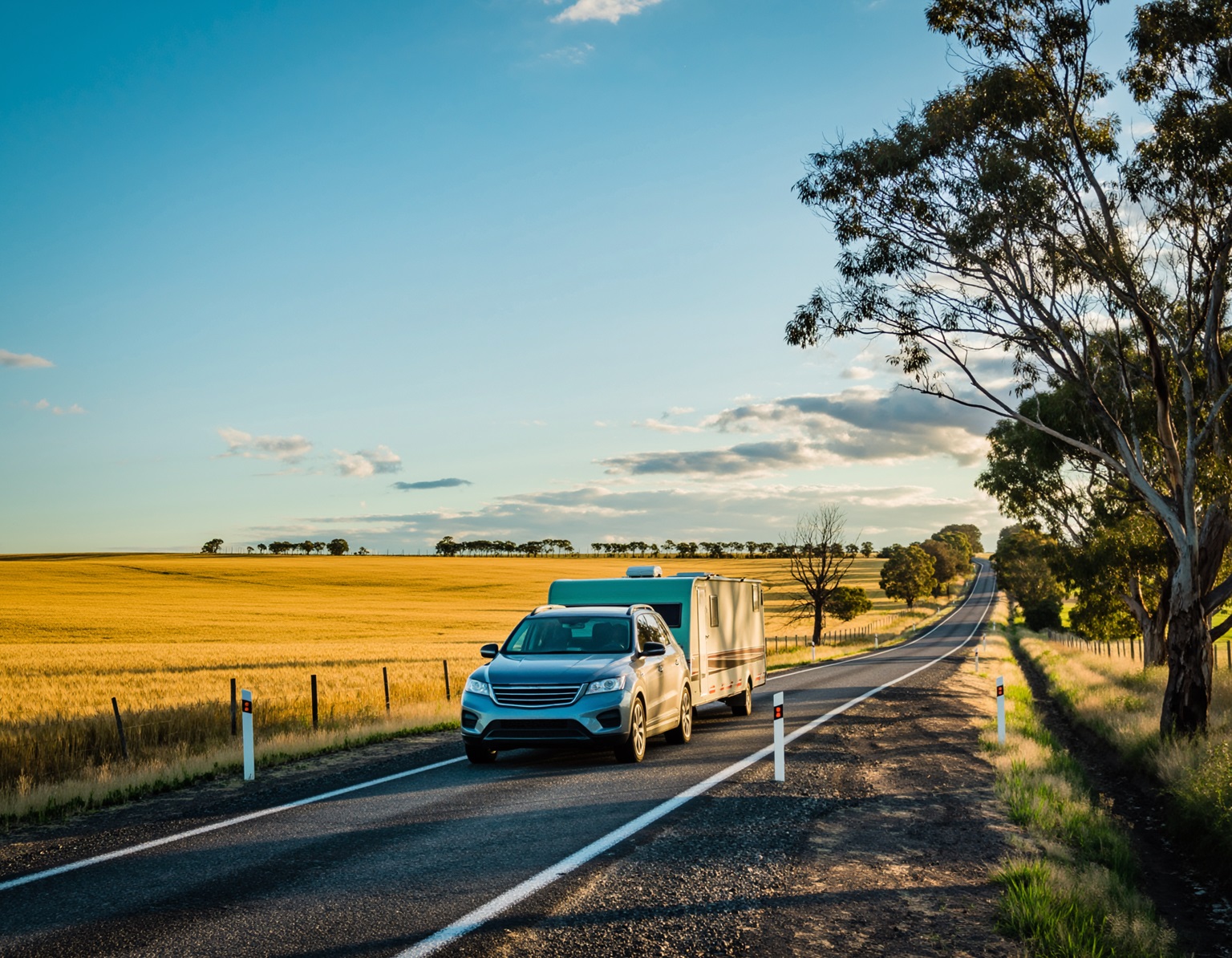
You’ve finally got that caravan you’ve been dreaming about, or maybe you’re borrowing a mate’s trailer to move some gear. Hooking up seems simple enough – until you hit 100 km/h on the freeway and the trailer starts swaying behind you like it’s alive.
After more than two decades handling recoveries and roadside rescues, I’ve seen it all. From caravans jackknifed near Cervantes to trailers tipped in the Wheatbelt, most cases came down to one thing – lack of preparation. The truth is, trailer towing in Western Australia demands respect.
Let’s go through what keeps you safe and legal, and what can turn a straightforward trip into a costly call for help.
Why WA Roads Demand Extra Care
Western Australia isn’t like other states. The distances are longer, the heat is harsher, and the roads less forgiving. When towing through the Wheatbelt or up towards Geraldton, you can drive for an hour without seeing another vehicle. If something fails, you need to know how to handle it.
Summer temperatures bake tyres and strain engines. Bearings that aren’t properly greased seize up, and crosswinds can push a caravan sideways without warning. Anyone who’s driven the Brand Highway knows what that feels like.
Preparation isn’t optional here – it’s what separates a confident trip from a dangerous one.
Know Your Weight Limits
Weight limits are where most towing mistakes begin. Every vehicle has a towing capacity, listed in the owner’s manual. This figure covers the combined weight of your trailer and everything loaded onto it.
- Gross Trailer Mass (GTM): The maximum weight your trailer can carry while attached to your vehicle.
- Aggregate Trailer Mass (ATM): The total trailer weight including the towball load.
- Towball Download: The downward force on the hitch, ideally 10-15% of your trailer’s total weight.
Too little weight on the towball and the trailer will sway. Too much, and your steering becomes dangerously light.
Use a public weighbridge before you head off. It’s inexpensive and ensures you’re compliant. The Department of Transport WA takes these limits seriously, and so should you.
Load Your Trailer the Right Way
How you load your trailer determines how it behaves on the road. Think balance, not brute force.
Keep around 60% of your load weight forward of the axle, and always place heavy items low and centred. Overloading the rear causes fishtailing, while stacking too much weight at the front overloads the hitch.
Secure your load with rated straps and check them after 20 kilometres. Rough WA roads shake things loose quickly. For caravans, distribute weight evenly side to side and travel with empty water tanks if possible. Every extra kilo makes a difference.
Choose the Right Hitch and Coupling
Your hitch is the single most critical link in your towing setup. Standard trailers typically use a 50 mm ball coupling, but caravans often need stabilising systems such as sway control or weight distribution hitches.
Check that your trailer sits level when connected – if it’s nose-up or nose-down, handling and tyre wear will suffer. Inspect the towball for wear or flat spots and replace it if needed.
Cross your safety chains beneath the coupling so they catch the drawbar if the hitch fails, and make sure they’re not dragging on the road. Any trailer over 750 kg requires functioning brakes, so test your caravan towing setup before each trip.
Tyres: The Silent Risk
Tyres are the most abused part of any towing setup, especially in WA’s heat.
Check tread depth, sidewalls, and manufacturing date. Tyres older than five years should be replaced, even if they look fine. Rubber hardens over time, increasing the risk of blowouts.
Under-inflated tyres overheat and fail, while over-inflated ones lose grip. Check pressures when cold and follow your trailer’s placard. Don’t forget the spare – and make sure it fits.
Your tow vehicle’s tyres also need attention. Increase rear tyre pressure to the upper limit listed on the placard when towing heavy loads.
Drive to the Conditions
Just because the limit says 110 doesn’t mean you should do 110. WA law caps towing speeds at 100 km/h maximum, and that’s the upper limit – not the target.
Wind, road surface, and load weight all affect stability. Slow down on narrow or uneven roads and maintain a larger following distance. A good rule of thumb is at least five seconds behind the vehicle in front.
Overtaking takes longer when towing. Only attempt it on clear, open stretches of road. When others overtake you, keep left and let them pass safely. Courtesy on the road keeps everyone safer.
What to Do When Things Go Wrong
Trailer sway is the number one hazard in caravan towing across WA. When it happens, your instincts might betray you.
Do not brake suddenly. Ease off the accelerator gently and steer straight until it settles. If your trailer has electric brakes, use the manual override to apply slight braking pressure to the trailer only. Once you’re back in control, pull over and check your load, tyre pressures, and hitch balance.
If you suffer a blowout, don’t slam on the brakes. Ease off the throttle and guide the vehicle to safety. When in doubt, call for professional roadside assistance in Perth – changing a tyre on the shoulder of a highway can be more dangerous than waiting for help.
If your engine starts overheating, stop immediately and let it cool. Continuing to drive risks permanent engine damage.
Pre-Trip Checks Every Driver Should Do
Fifteen minutes of checks before each trip can save hours on the roadside later.
- Test all lights and indicators with someone behind the trailer.
- Inspect the coupling, safety chains, and load straps.
- Check tyre pressures and tread on both vehicles.
- Confirm mirrors are adjusted to see down both sides.
- Do a short brake test at low speed to confirm straight, stable stopping.
These checks take minutes and dramatically reduce your risk of trouble.
Build Skills Before Long Trips
Towing safely comes down to experience. If it’s your first time, don’t start with a 2,000 km haul to Broome. Practice locally first.
Reversing takes patience and control. Use the “hand-at-the-bottom” steering trick: move your hand in the direction you want the trailer to go. Practice in an empty car park before trying it at a crowded campsite.
Corners need wider turns, hill starts need more throttle, and braking distances double. Each short trip builds confidence before you take on longer drives.
Maintenance That Prevents Problems
Trailers and caravans degrade faster when left sitting for months. Before major trips, get a service.
- Repack wheel bearings annually or before long journeys.
- Inspect brake pads and test electric brake controllers.
- Check for cracks or corrosion on the chassis and coupling points.
- Test all appliances and electrical systems in caravans before you leave.
Regular maintenance is cheaper and safer than emergency repairs.
When You Need Professional Help
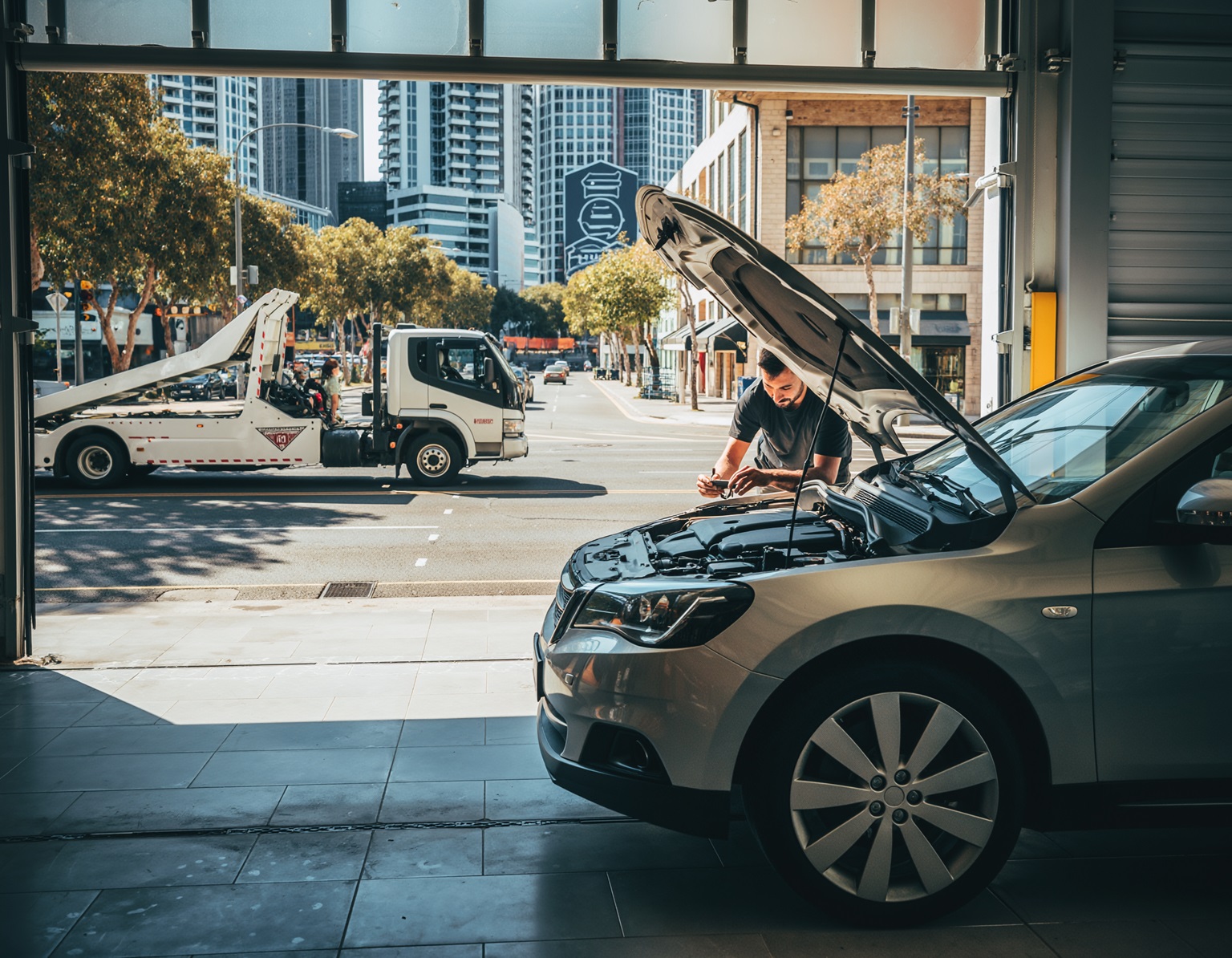
Sometimes, even with good preparation, things go wrong. A broken coupling, bogged caravan, or seized wheel bearing can leave you stranded. That’s when it’s time to call the professionals.
All Out Towing has handled thousands of trailer and caravan recoveries across Western Australia, from city roads to remote highways. Whether you need 24-hour emergency towing or expert help with specialised towing solutions, we’ll get you back on the road safely.
If your trailer’s immobile or your setup feels unsafe, don’t push on. Pull over and get in touch with our team for fast, professional support.
The Bottom Line
Trailer towing in Western Australia isn’t difficult once you understand the rules. Respect the conditions, balance your load, check your equipment, and drive conservatively.
For drivers looking to travel safely and confidently, following these caravan towing tips WA style will make every trip smoother, safer, and stress-free. Preparation, patience, and awareness are your best tools on the road – and when you need help, reliable professionals are never far away.