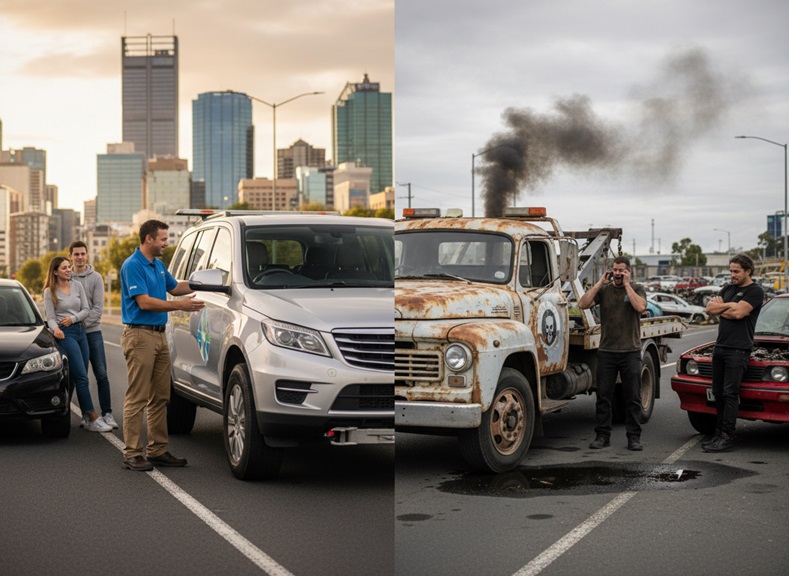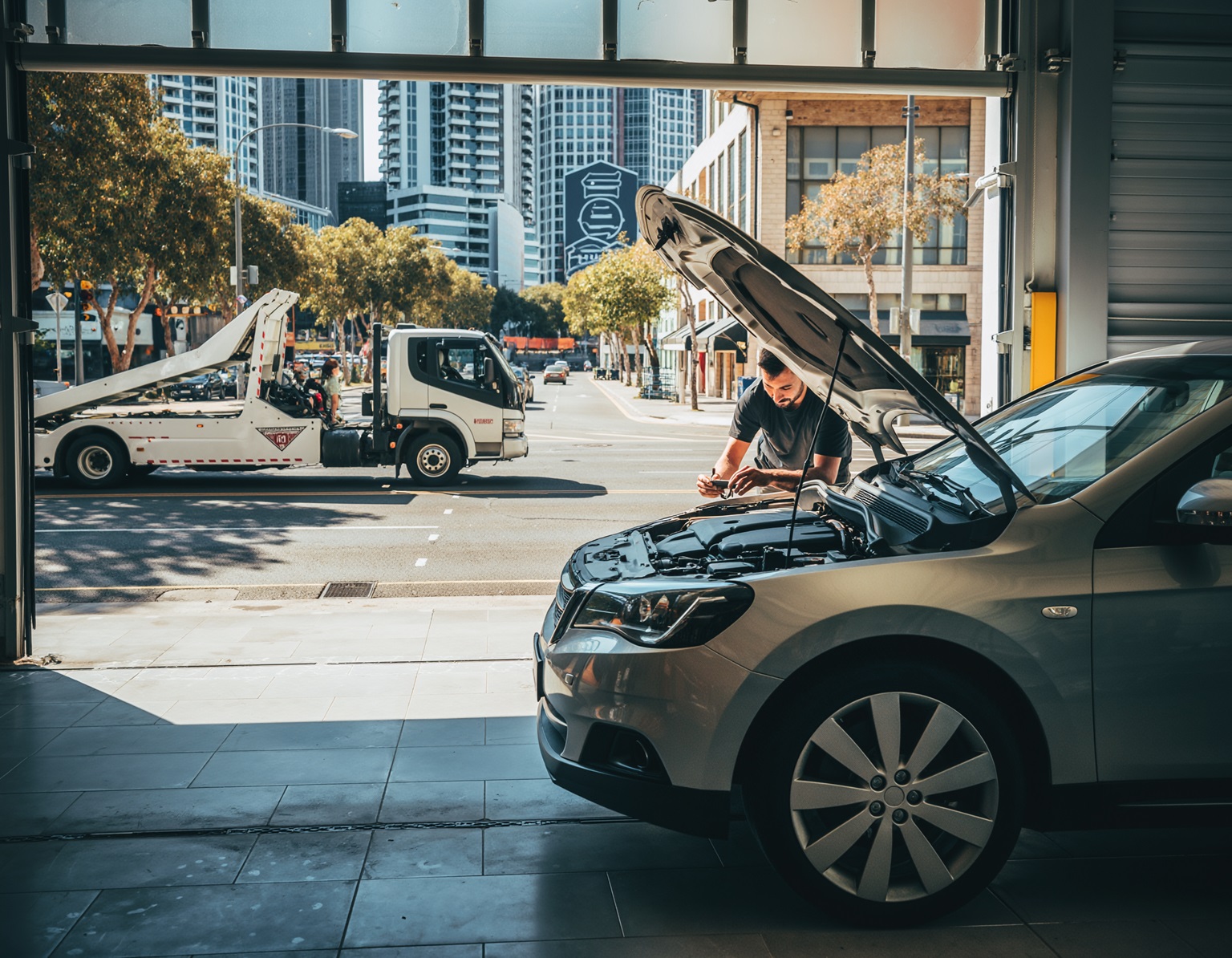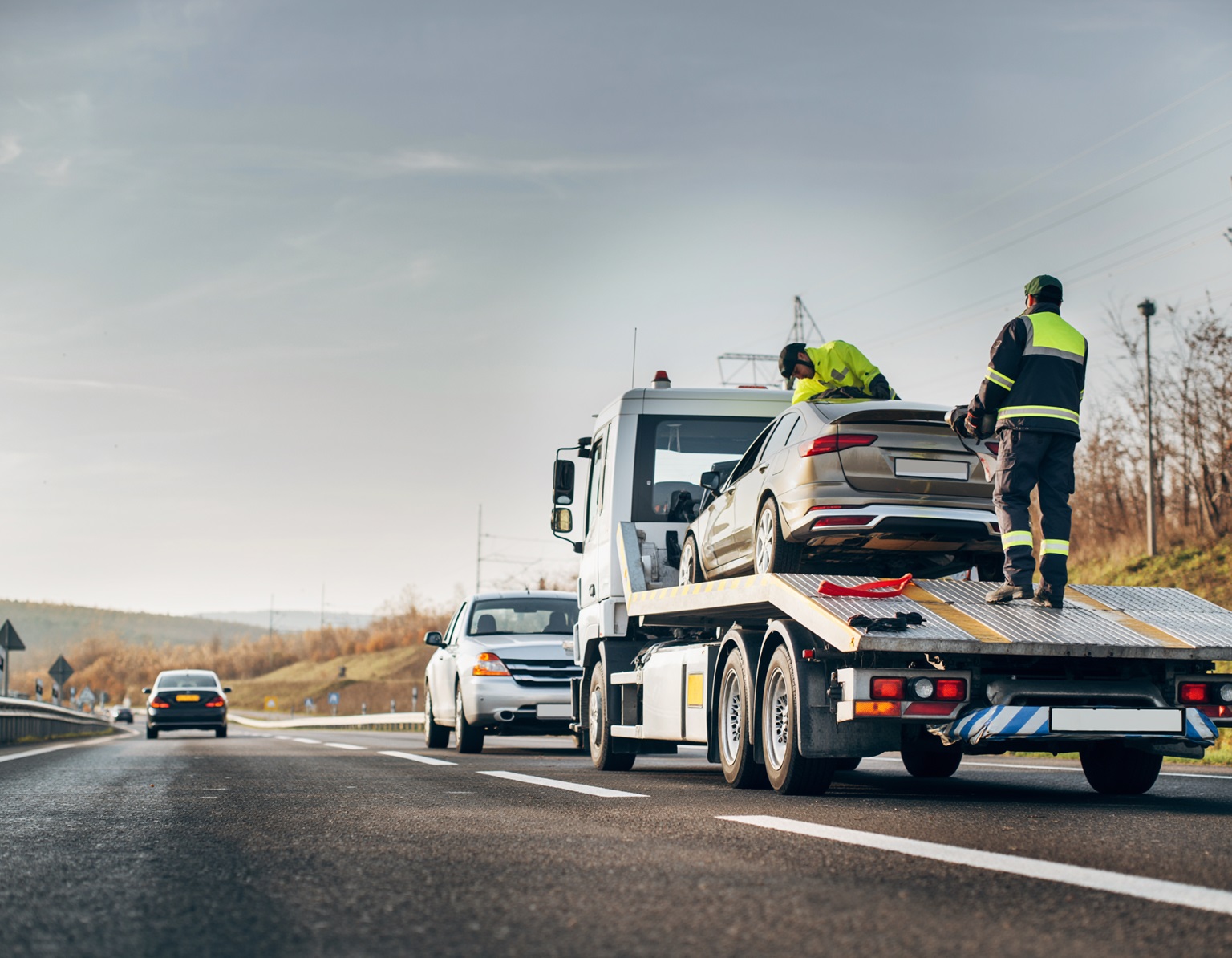
You have seen it on the Mitchell Freeway or out near Mundaring – someone towing a mate’s car with a snatch strap, crawling along at 40km/h with hazards flashing. It looks simple enough, and when you are stranded, it is easy to think DIY towing WA style will save time and money. But what feels like a quick fix can become dangerous, costly, and even illegal.
After decades in towing, I have seen what happens when people underestimate towing risks WA drivers face. Bent chassis, void insurance, and preventable injuries often begin with the same thought: “I can handle it myself.” This guide breaks down what really happens when you tow without professional help, what the law says, and why calling the right team keeps you safe and protected.
Why DIY Towing Feels Like the Obvious Choice
When your car will not start or the transmission fails, the first instinct is to call a mate with a ute or 4WD. The plan sounds easy: hook up a strap and get moving.
The Appeal of Quick Fixes
- It feels faster than waiting for a tow truck.
- It seems cheaper in the moment.
- It plays into the Aussie instinct to “sort it yourself.”
The Real Issue
DIY towing relies on emotion, not safety. Stress and urgency can push you toward shortcuts that cause more harm than good.
The Legal Reality of Towing in WA
Under WA law, improvised towing setups are illegal. You cannot tow a car with a rope, chain, or snatch strap on public roads.
Legal Requirements
- Towing must be done with a rigid tow bar or approved A-frame.
- The towed vehicle must have operational brakes and steering.
- If the vehicle cannot steer or brake, it must be carried on a trailer or flatbed.
Breaking these rules can void insurance and result in fines. If a DIY tow causes damage or injury, the person towing can be held fully liable.
A proper towing setup complies with Department of Transport WA regulations – and that compliance is built into every professional tow.
What Goes Wrong With DIY Towing
DIY towing failures are common and often dangerous. Most issues stem from inadequate gear, poor control, or simple lack of experience.
Snapped Tow Straps and Chains
When a strap or chain fails under load, it can lash back with extreme force. Broken windscreens, smashed panels, and serious injuries are frequent outcomes.
Loss of Control
The towing vehicle must stop the combined weight of both cars. Without proper braking support, the towed car can fishtail, rear-end, or jackknife – especially downhill.
Vehicle Damage
Towing stresses suspension, tow bars, and transmissions not built for the load. Dragging a locked or steering-engaged vehicle can ruin tyres and undercarriages.
No Insurance Cover
If the tow was not legal or compliant, insurers can reject claims entirely. The driver becomes responsible for all vehicle and third-party damage.
The small saving from skipping a tow truck is often lost tenfold in repairs and penalties.
When DIY Recovery Gear Is Actually Useful
Not all recovery work is unsafe. DIY gear has its place when used correctly and legally.
Appropriate Scenarios
- 4WD recovery: freeing a bogged vehicle from sand or mud, not towing it down a public road.
- Short, low-speed movement: repositioning a drivable car with full steering and braking function.
The key is knowing the difference between vehicle recovery and vehicle towing. Recovery ends once the car can move under its own power again. Towing on public roads requires professional gear and compliance.
What You’re Really Paying For With Professional Towing
Professional towing services bring more than transport – they provide safety, legal protection, and efficiency.
Proper Equipment
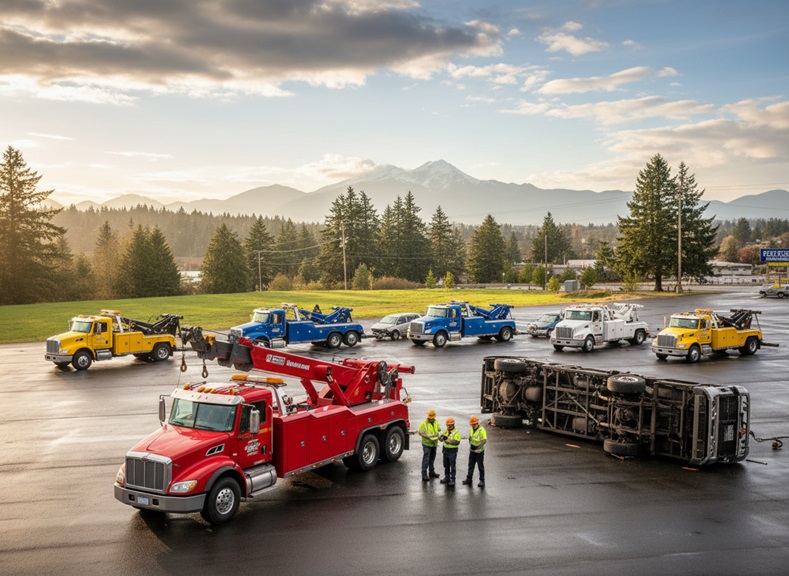
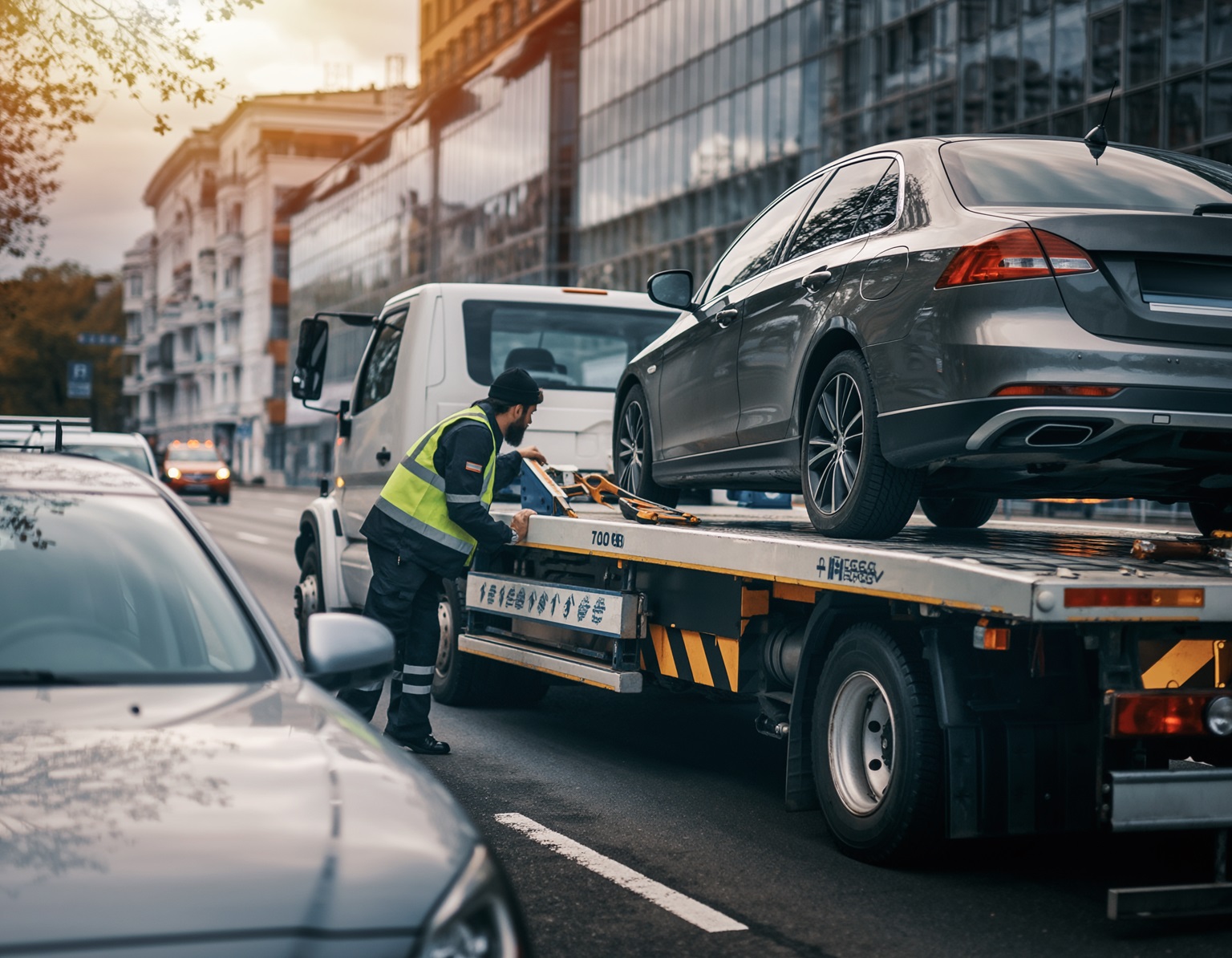
Tow trucks are designed to prevent secondary damage. Hydraulic lifts, wheel cradles, and tilt trays secure your car fully off the road, protecting suspension and driveline components.
Insurance and Liability
Professional operators carry full insurance. If damage occurs during the tow, you are covered. DIY towing leaves you personally responsible.
Legal Compliance
Licensed tow operators in WA meet all road transport and safety standards. You avoid fines, legal disputes, and insurance complications.
Time and Convenience
Towing professionals handle everything quickly – from securing your car to dropping it safely at your preferred location. You avoid coordination stress, waiting, and risky improvisation.
Professional roadside assistance often fixes minor issues immediately – jump starts, tyre changes, or fuel delivery – without needing a full tow.
The Guilt You Might Feel (and Why You Shouldn’t)
Many drivers hesitate to call for help because they feel it is unnecessary or embarrassing. It is not. Even veteran tow operators call colleagues rather than attempt their own tows. They know the risk is never worth it.
Calling for help is not weakness – it is smart risk management. It protects your car, your safety, and your insurance.
When Things Go Seriously Wrong
There are countless stories across WA of DIY tows gone wrong – snapped chains, lost loads, and injuries. One Bullsbrook job involved a chain failure that sent a car rolling backwards into a passing motorcyclist. The result: injuries, fines, and a court case.
Every year, Main Roads WA and WA Police respond to incidents caused by improper towing. Most were avoidable with proper assistance.
A Smarter Way Forward
If you have done DIY towing before, there is no shame – just awareness for next time. Use this framework:
Safe DIY Towing Checklist
- Vehicle can brake, steer, and drive independently.
- Distance is short and off major roads.
- Tow gear is rated and inspected.
If any of these fail, call a professional.
Even if you are unsure, a quick phone consultation with a towing operator can confirm the safest and cheapest solution.
Professional towing in WA typically costs between $100 and $200 – far less than repairs or fines from a DIY mistake.
The Real Cost of Cutting Corners
DIY towing looks cheaper upfront but carries hidden costs: legal risk, damage liability, and potential injury. Every driver who has learned the hard way says the same thing – “I didn’t think it would be a big deal.”
It never is, until it is. Avoid becoming another case study in preventable damage.
When Professional Help Is Just a Call Away
If your car breaks down or won’t start, you have options – but only one guarantees safety and peace of mind.
All Out Towing provides licensed, insured, and experienced towing across WA. From roadside assistance to tilt tray transport and 24-hour towing, the team handles every job properly from first call to drop-off.
If you are stranded, unsure, or just want advice, get in touch. You will speak with a local operator who knows Perth’s roads, offers transparent pricing, and gets you moving safely.
You do not need to take chances – you just need to make the call.