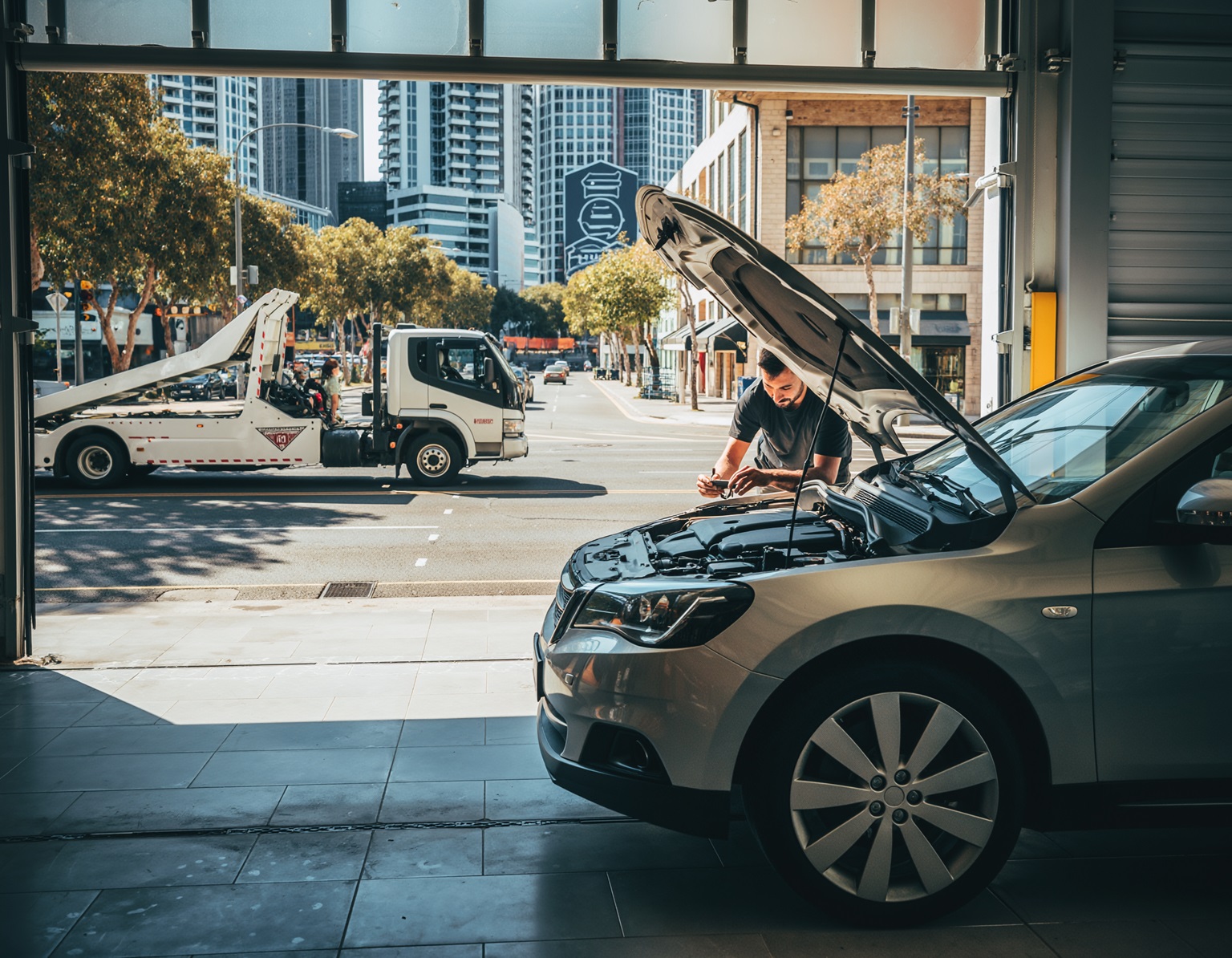
Breakdowns create pressure. You are blocking a lane, the clock is ticking, and stress nudges you toward the quickest fix. That is exactly when many towing mistakes WA drivers make turn small problems into big, expensive ones. The good news is that most errors are easy to avoid with a calm plan and a few clear checks.
Think of it like tying a load to a trailer. Done right, everything is balanced and secure. Done poorly, one loose strap can ruin the whole trip. The same logic applies to towing safety WA wide.
Why Drivers Make Rushed Towing Decisions
Stress narrows focus. The urge to “do something now” can override safer options that take one extra minute. That is normal, but it is avoidable. The fix is simple: pause, make the scene safe, and make one good phone call instead of three hurried ones.
What to Do First
- Move off the road if it is safe to do so, turn on hazard lights, and keep seatbelts on.
- Stand well clear of traffic or remain belted inside on fast roads.
- Take two photos of the scene and your number plate for insurance.
Choosing the Wrong Towing Method
Flat towing or using the wrong truck can damage the transmission, differential, and underbody, especially on automatics, AWDs, and low-clearance cars.
Safer Approach
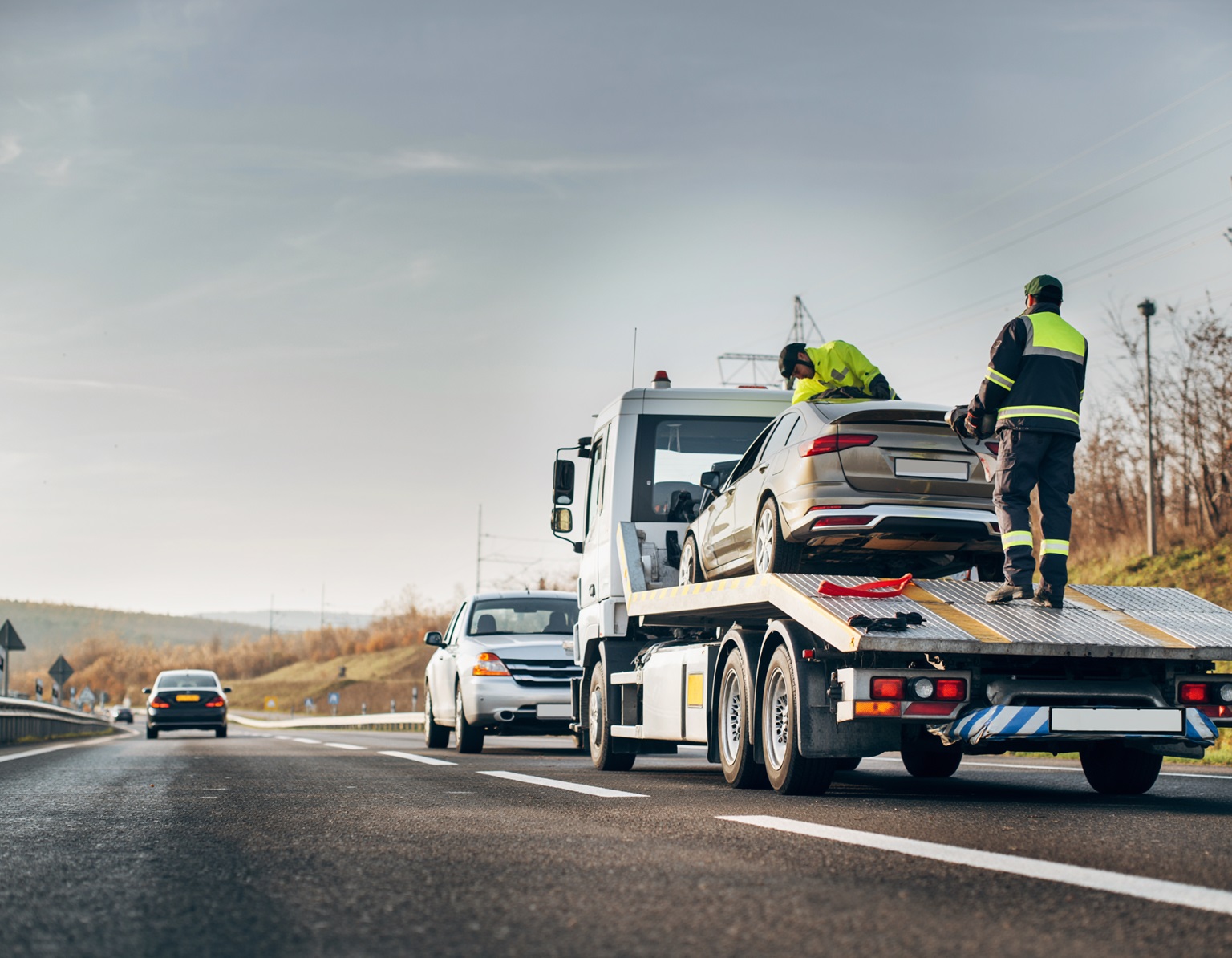
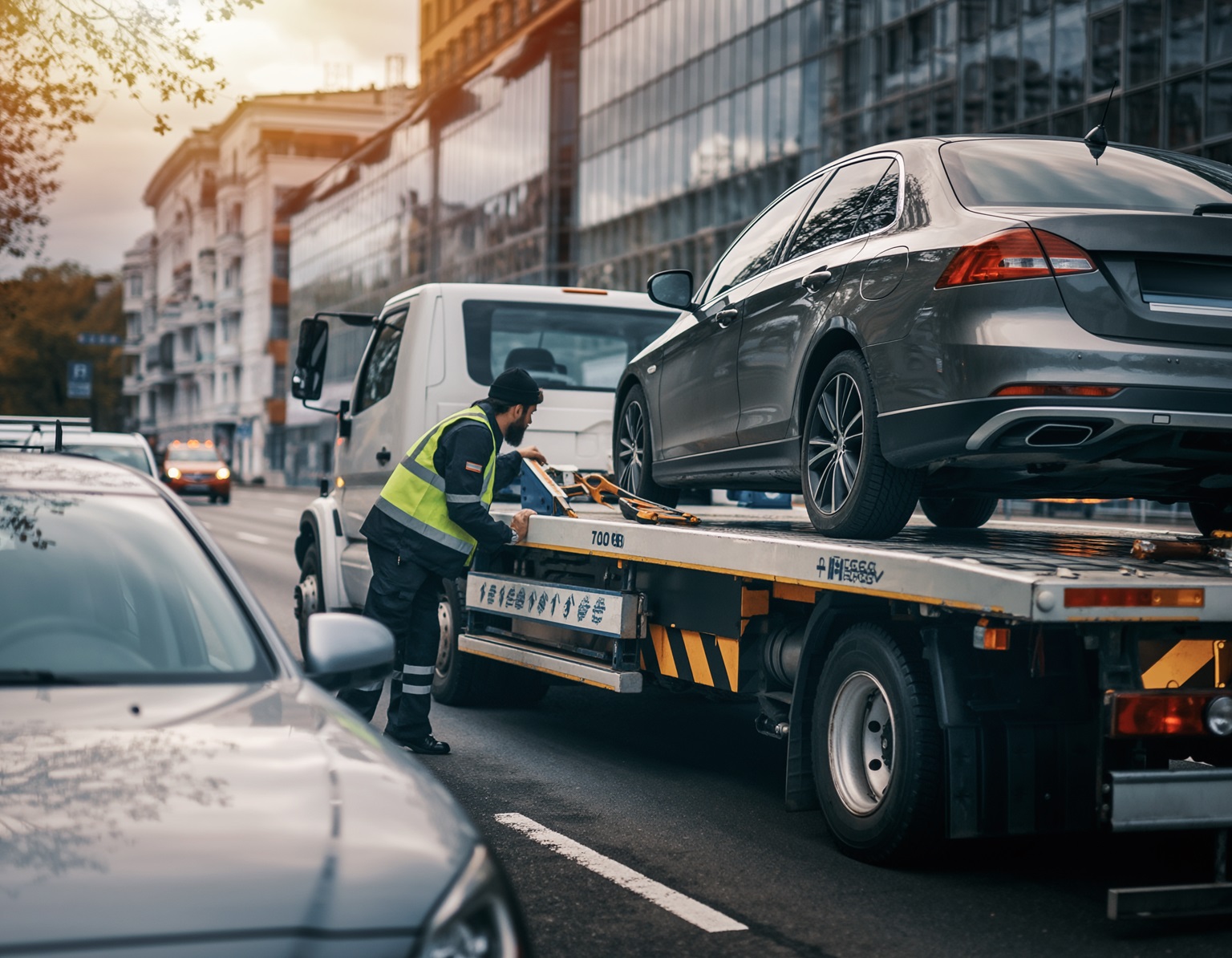
- For AWD, low, prestige, or accident-damaged vehicles, ask for a tilt tray.
- For short urban moves of 2WD cars that roll freely, a wheel-lift can be fine.
- If the drivetrain is broken or wheels are locked, use flatbed transport only.
If you need the safest option for delicate vehicles, see our tilt tray services.
Using Weak or Improvised Gear
Hardware-store ropes, unrated chains, and bumper hooks are not recovery equipment. Snapped lines can injure people and damage both vehicles.
Safer Approach
- Only use recovery straps, shackles, and points rated for vehicle weight.
- Avoid towing from control arms, tow balls, or cosmetic hooks not designed for load.
- When in doubt, do not DIY a recovery near traffic.
Calling the First Number You See
Aggregators and non-local call centres can quote low and arrive late, then add hidden fees. Some are not licensed in WA.
Safer Approach
- Ask for the total price from point A to point B, including after-hours or extras.
- Confirm they are licensed and insured for WA work.
- Ask for an ETA and a truck type appropriate to your vehicle.
For local, transparent help, All Out Towing provides realistic ETAs and clear pricing.
Ignoring Insurance or Roadside Cover
Many drivers already have towing included with comprehensive insurance or roadside assistance, but only check after paying out of pocket.
Safer Approach
- Call your insurer or provider first. Confirm limits, destinations, and distance caps.
- If not covered, at least you know the budget before you book a tow.
Attempting DIY Towing Without the Right Skills
A dead car has no power steering or brake assist. Braking distances increase and steering response changes, especially on slopes and loose surfaces.
Safer Approach
- Leave complex or high-speed roads to professionals.
- If you must move a vehicle a short distance, keep speeds very low, use rated gear, and maintain clear communication between drivers.
Failing to Prepare the Vehicle Properly
Small oversights can cause big delays or damage.
Safer Approach
- Remove valuables and hand the keys to the driver.
- Confirm neutral, park brake released only when instructed, and wheels free to turn.
- Note special considerations: very low bumpers, air suspension, or locked wheels.
Not Communicating Clearly About the Problem
“Car will not start” is a start, but the operator needs detail to send the right truck and quote accurately.
What to Tell the Dispatcher
- Make, model, year, and whether it is 2WD, 4WD, or AWD.
- What happened: overheating, no crank, flat battery, fluid loss, accident, stuck in sand.
- Location specifics: freeway shoulder, sand, underground car park, tight access.
Clear info saves time and prevents the wrong truck turning up.
Panicking About Cost Without Asking Questions
Prices vary by distance, time, and complexity. The fix is transparency.
Ask Before You Commit
- Total cost door-to-door and what it includes.
- Per-kilometre rate and any after-hours or recovery loadings.
- Cancellation policy if your roadside cover arrives first.
A reputable operator will give straight answers without pressure.
Forgetting to Plan Ahead
Preparation turns a crisis into an inconvenience.
Quick Checklist
- Save a trusted local towie in your phone now.
- Keep a torch, phone charger, water, and high-vis in the car.
- Check your spare tyre quarterly.
- Know your policy limits for towing.
What Happens When You Get It Right
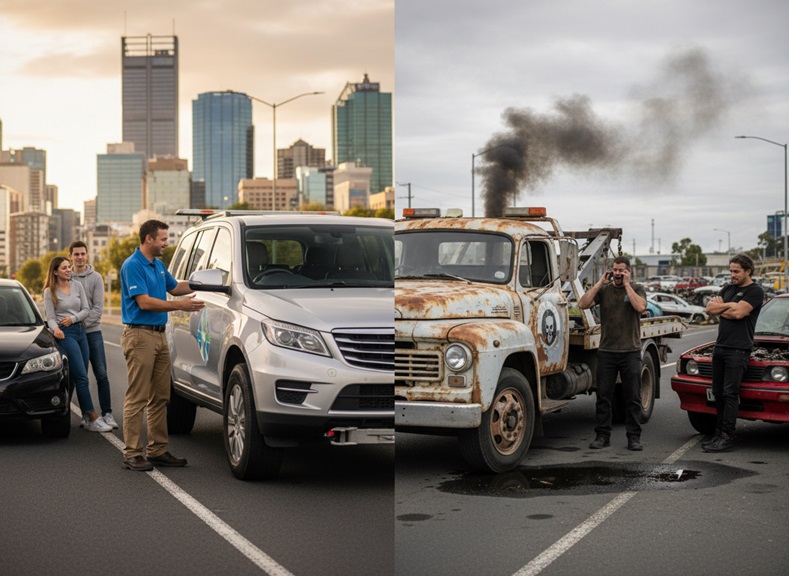
You make the scene safe, call a licensed local operator, give clear details, and request the correct truck. You ask for a total price and an ETA. The truck arrives, loads with proper rigging, and your car reaches your chosen destination without damage.
When a roadside fix is faster than a tow, proper help should offer it first. Roadside assistance can handle jump starts, tyre changes, and emergency fuel. When transport is required at any hour, our 24-hour emergency towing gets you moving safely. If you have had a collision, professional accident towing protects your vehicle and your claim.
If you need straightforward guidance or a clear quote, you can get in touch with the team at All Out Towing. We match the truck to your vehicle, use damage-minimising techniques, and keep you informed from first call to drop-off.