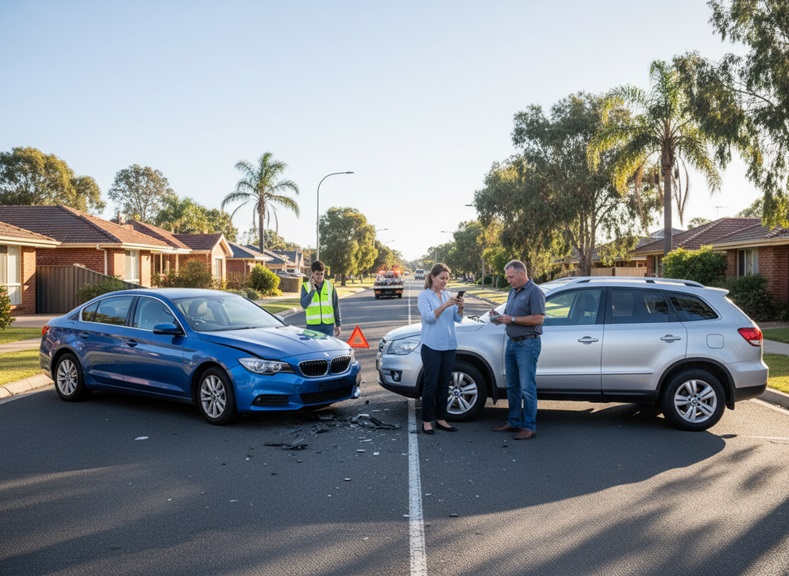
Western Australia’s vast distances, extreme temperatures, and variable road conditions mean every driver should carry a properly equipped roadside emergency kit WA. Breakdowns here can happen far from help, and the right equipment can turn a difficult delay into a safe, manageable pause.
Most roadside issues aren’t catastrophic. Flat tyres, flat batteries, or minor mechanical faults become major problems only when drivers are unprepared. A complete emergency roadside kit WA keeps drivers safe, visible, and confident until professional help arrives.
Why WA Drivers Need a Specialised Kit
Driving conditions across WA are unique. Summer heat exceeding 40 degrees and long stretches without mobile reception demand specific preparation. Water, communication tools, and visibility gear are not optional extras; they are essential safety items. The difference between a short wait and a dangerous situation often comes down to what’s stored in the boot.
Water – The Top Priority
Every vehicle travelling in WA should carry at least four litres of water per person.
Use durable, heat-resistant containers and replace the water every few months. Label containers with refill dates and keep a small collapsible bowl available for pets.
Why it matters: High temperatures and stress accelerate dehydration, making adequate water storage vital for safety while waiting for help.
Comprehensive First Aid Kit
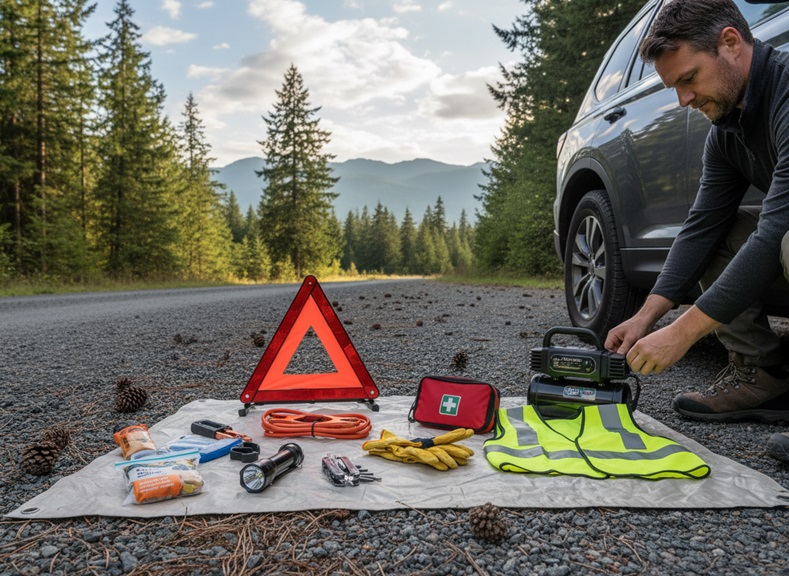
A basic promotional kit is rarely enough. Include:
- Adhesive bandages, sterile gauze, and medical tape
- Antiseptic wipes and burn gel
- Tweezers, blunt scissors, and disposable gloves
- Pain-relief medication and personal prescriptions
- Emergency blanket and CPR shield
Check expiry dates twice a year, as heat shortens product life.
Why it matters: Quick treatment prevents minor injuries from escalating before professional care is available.
Tyre Repair and Inflation Equipment
Reliable tyre tools are essential:
- Vehicle-specific jack and wheel brace
- Work gloves
- Tyre-pressure gauge
- Compact 12-volt air compressor
Regularly test the jack and brace at home to confirm they operate correctly.
Why it matters: A slow leak or low pressure can often be corrected on-site, avoiding unnecessary delays.
Heavy-Duty Jumper Leads or Jump Starter
Flat batteries are a common reason for roadside callouts.
Pack jumper leads at least four metres long or a charged lithium jump-starter.
Store the leads neatly to prevent tangling and test the jump-starter monthly.
Why it matters: Immediate power access can restore a vehicle without external assistance.
Visibility and Lighting Gear
Visibility is the foundation of roadside safety.
- High-visibility vests for all occupants
- Warning triangles positioned 50 to 100 metres behind the vehicle
- LED torch and headlamp with spare batteries
- Glow sticks or battery flares
Keep vests inside the cabin for quick access before leaving the vehicle.
Why it matters: Early warning for oncoming drivers prevents secondary collisions.
Communication and Navigation Backup
Electronic failures can leave drivers stranded without communication.
Include:
- 20 000 mAh power bank (charged monthly)
- Car charger as a secondary supply
- Offline maps for regular routes
- Written emergency contacts: roadside assistance, insurer, towing provider
For remote travel, a UHF radio provides an additional lifeline when mobile coverage drops.
Why it matters: Independent communication ensures help can be requested even in signal black spots.
Practical Tools for Minor Fixes
A compact toolkit prevents small problems from escalating.
- Adjustable spanner and screwdriver set
- Pliers, duct tape, and cable ties
- Multi-tool and utility knife
Why it matters: Quick fixes can secure loose panels or hoses safely until professional inspection.
Weather and Comfort Protection
Prepare for both heat and cold.
- Sunscreen, wide-brim hat, and sunglasses
- Lightweight umbrella or portable shade
- Emergency blanket for cold nights
- Non-perishable snacks such as nuts, bars, or dried fruit
Why it matters: Maintaining comfort supports calm decision-making during long waits.
Essential Documents and Identification
Keep copies of key papers in a sealed envelope inside the glove box:
- Driver’s licence and registration details
- Insurance information
- Contact list for family and emergency services
Why it matters: Readily available documents speed up communication with authorities or towing operators.
Organised Storage and Regular Checks
Use a sturdy plastic tub or dedicated bag to hold all items.
Label the container clearly and schedule six-monthly reviews to replace expired goods and recharge devices.
Analogy: Maintaining a roadside kit is like maintaining tyre pressure. A small habit prevents much larger problems later.
Safe Behaviour While Waiting for Assistance
If a breakdown occurs:
- Pull fully left and activate hazard lights.
- Remain in the vehicle unless unsafe.
- Exit on the passenger side wearing a high-vis vest.
- Set warning triangles only when conditions allow.
Distance and visibility are key to survival on high-speed roads.
When Professional Help Is Required
If the vehicle is stopped near traffic or in a high-risk area, professional support is essential.
For quick fixes like flat batteries or tyre changes, use roadside assistance.
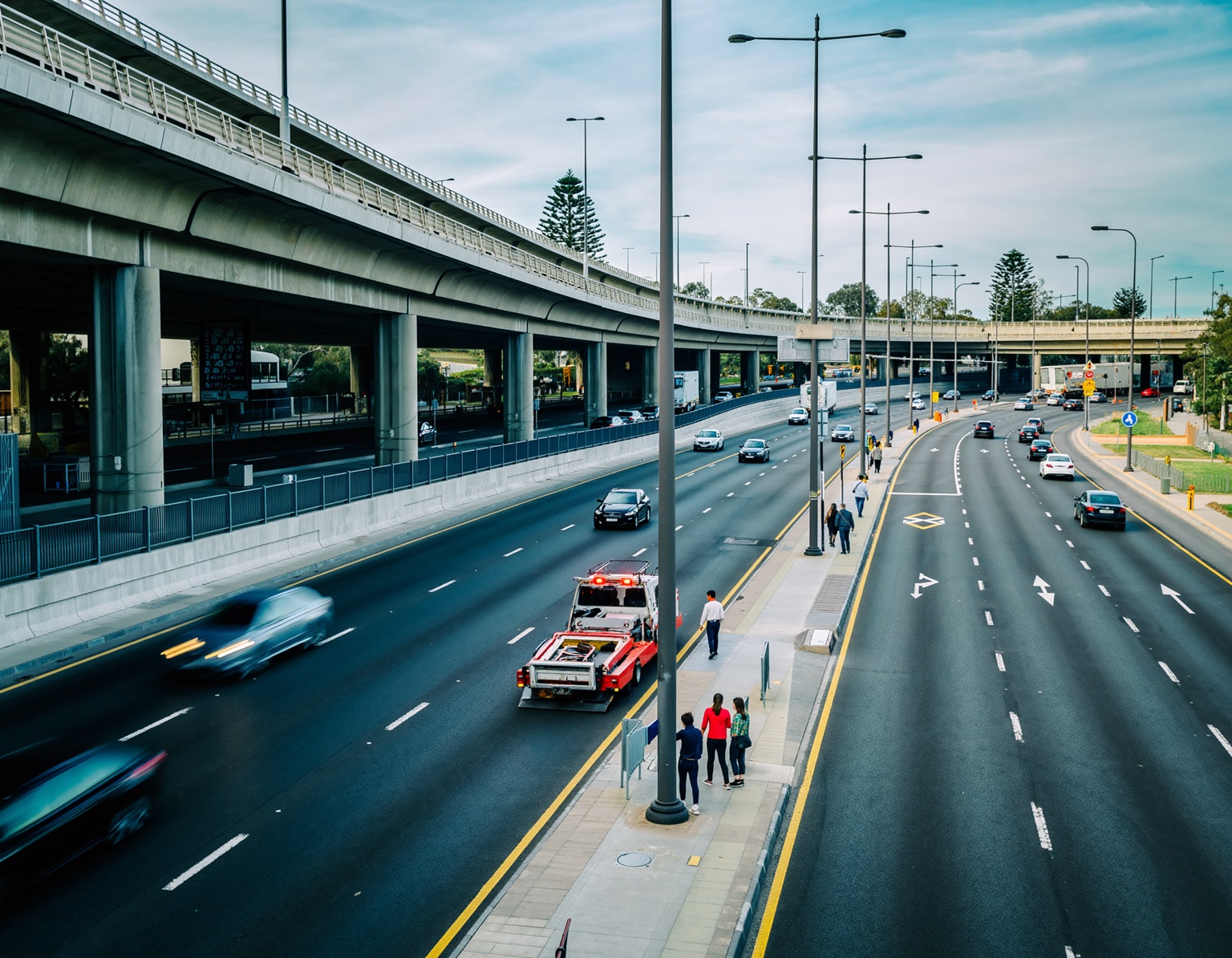
For more serious issues, 24-hour emergency towing ensures fast and safe recovery across Perth and surrounding regions.
Drivers can get in touch with the All Out Towing team any time for professional advice or immediate dispatch.
Prepared Drivers Stay Safe
Preparation transforms anxiety into control. A complete roadside emergency kit WA helps drivers manage breakdowns calmly, stay protected, and protect passengers until assistance arrives.
All Out Towing supports motorists across Perth and regional WA with reliable towing and recovery solutions. With the right gear and a dependable towing partner, every trip can stay safe and stress-free, no matter what the road delivers.